- BPM
- 87
- Key
- G Major
- Camelot
- 9B
Concertino for Viola and Chamber Orchestra: III. Presto, Molto Ritmico by Menachem Wiesenberg, Yuval Gotlibovich, Chen Halevi, Thomas Rösner, Beethoven Philarmonie Orchestra Song Details
"Concertino for Viola and Chamber Orchestra: III. Presto, Molto Ritmico" by Menachem Wiesenberg, Yuval Gotlibovich, Chen Halevi, Thomas Rösner, Beethoven Philarmonie Orchestra had its release date on November 17, 2025. The duration of This song is about two minutes long, specifically at 2:32. This song does not appear to have any foul language. Concertino for Viola and Chamber Orchestra: III. Presto, Molto Ritmico's duration is considered a little bit shorter than the average duration of a typical track. The song is number 3 out of 17 in Echoes: Works by Menachem Wiesenberg by Menachem Wiesenberg, Yuval Gotlibovich, Chen Halevi, Taiseer Elias, Thomas Rösner. Going off of the ISRC code of this track, we detected that the origin of this track is from Germany. Concertino for Viola and Chamber Orchestra: III. Presto, Molto Ritmico is unknown right now. In our opinion, the overall tone is not very danceable and projects negative sounds, such as being sad, depressed, or angry.
BPM and Tempo
The tempo marking of Concertino for Viola and Chamber Orchestra: III. Presto, Molto Ritmico by Menachem Wiesenberg, Yuval Gotlibovich, Chen Halevi, Thomas Rösner, Beethoven Philarmonie Orchestra is Andante (at a walking pace), since this song has a tempo of 87 BPM. With that information, we can conclude that the song has a slow tempo. This song can go great with yoga or pilates. The time signature for this track is 4/4.
Music Key
This song is in the music key of G Major. This also means that this song has a camelot key of 9B. So, the perfect camelot match for 9B would be either 9B or 10A. While, 10B can give you a low energy boost. For moderate energy boost, you would use 6B and a high energy boost can either be 11B or 4B. Though, if you want a low energy drop, you should looking for songs with either a camelot key of 9A or 8B will give you a low energy drop, 12B would be a moderate one, and 7B or 2B would be a high energy drop. Lastly, 6A allows you to change the mood.
Want to find the BPM and music key for other songs? Check out our BPM and Key Finder page!
- Popularity
- 0%
- Loudness
- -31.059 dB
- Acousticness
- 82%
- Danceability
- 15%
- Energy
- 6%
- Instrumentalness
- 5%
- Liveness
- 26%
- Loudness
- 48%
- Speechiness
- 5%
- Valence
- 4%
Recommendations
| Track | Artist | Key | Energy | Camelot | BPM | ||
|---|---|---|---|---|---|---|---|
 | Romance, Op. 28: No. 2 | Duo Arnicans | C Minor | 5 | 5A | 168 BPM | |
 | Sizzle and Spice | Estoria | E♭ Minor | 0 | 2A | 89 BPM | |
 | String Quartet No. 3 in D Major, Op. 34: III. Sostenuto. Like a Folk Tune | Erich Wolfgang Korngold, Calidore String Quartet | E♭ Minor | 0 | 2A | 89 BPM | |
 | Fallen Leaves | Mordechai Zeira, Menachem Wiesenberg, Anna Spitz | C Minor | 1 | 5A | 112 BPM | |
| My Field | David Zehavi, Menachem Wiesenberg, Guy Pelc | G Minor | 1 | 6A | 80 BPM | |
 | Préludes, Book 1, L. 117 (Excerpts): No. 7, Ce qu'a vu le vent d'ouest | Claude Debussy, Jorge Federico Osorio | G Major | 2 | 9B | 92 BPM | |
 | Summer Music, Op. 31: IV. Tempo Primo, Joyous and Flowing | Samuel Barber, Ensemble Ouranos | E♭ Minor | 0 | 2A | 89 BPM | |
 | Sonate pour flûte et piano, Op. 64: IV. Finale. Moderato - Grazioso | Mel Bonis, Mathilde Calderini, Aurèle Marthan | D♭ Minor | 2 | 12A | 111 BPM | |
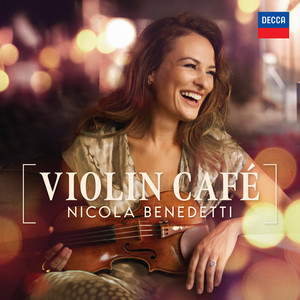 | Carmen Fantasy, Op. 25 (Arr. Goss for Violin, Guitar, Accordion & Cello): II. Lento assai – En vain pour éviter | Pablo de Sarasate, Nicola Benedetti, Plínio Fernandes, Samuele Telari, Thomas Carroll | E Major | 1 | 12B | 112 BPM | |
 | Humoreske in B-Flat Major, Op. 20: Einfach und zart – Intermezzo - Excerpt | Robert Schumann, Luca Buratto | G Major | 1 | 9B | 71 BPM | |
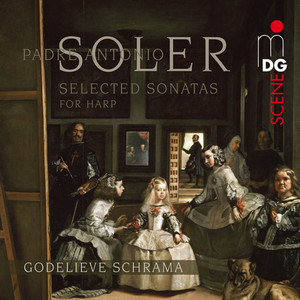 | Harpsichord Sonata No. 48: Allegro (arr. for Harp) | Antonio Soler, Godelieve Schrama | C Minor | 1 | 5A | 106 BPM | |
 | Piano Trio in G Major, L. 5: II. Scherzo - Intermezzo. Moderato con allegro | Claude Debussy, Trio Wanderer | E♭ Minor | 0 | 2A | 89 BPM | |
 | Dos Piezas Griegas: I. Delicadamente | Antón García Abril, Laura Ballestrino | C Minor | 0 | 5A | 65 BPM | |
| The Kite Song | Yohanan Zarai, Menachem Wiesenberg, Guy Pelc | G Minor | 1 | 6A | 71 BPM | |
 | Suite in the Old Style (excerpts, Arr. for Cello and Piano by J. Sévilla-Fraysse): I. Pastorale | Alfred Schnittke, Julie Sévilla-Fraysse, Anastasia Calmus | E♭ Minor | 0 | 2A | 89 BPM | |
 | The Bronze Horseman (Arr. J. Lenehan): II. Andante | Helen Habershon, Andrew Fuller, John Lenehan | A Minor | 1 | 8A | 89 BPM | |
 | Vaughan Williams: 6 Studies in English Folk-Song: No. 2, Andante sostenuto | David Parkhouse, Eileen Croxford | A Minor | 1 | 8A | 92 BPM | |
 | Two Studies, Op. 38: No. 1, Folk Tune - Due-Art 0333 | Eugene Goossens, Peter Phillips | D♭ Major | 1 | 3B | 73 BPM | |
 | Cavern - Quintet for Bass Recorder and String Quartet: II. Tranquillo | Lachlan Skipworth, Genevieve Lacey, Australian String Quartet | F Minor | 1 | 4A | 129 BPM | |
 | Violin Sonata in A Minor: III. Minuetto | Sergei Taneyev, Boris Brovtsyn, Eldar Nebolsin | C Major | 0 | 8B | 58 BPM | |
 | 12 Nocturnes: No. 5, In den Morgen tanzen | Bent Sørensen, Katrine Gislinge | E♭ Minor | 0 | 2A | 89 BPM | |
 | Clarinet Trio in A Minor, Op. 114: II. Adagio | Johannes Brahms, Han Chen, Clare Monfredo, Eric Schultz | A Minor | 1 | 8A | 88 BPM | |
 | Gaspard de la nuit: No. 2, Le Gibet. Très lent | Maurice Ravel, Hsiang Tu | E♭ Minor | 0 | 2A | 89 BPM | |
 | Trois pièces pour violoncelle et piano: No. 2, Sans vitesse et à l'aise | Nadia Boulanger, Lidy Blijdorp, Tobias Borsboom | E♭ Minor | 0 | 2A | 89 BPM | |
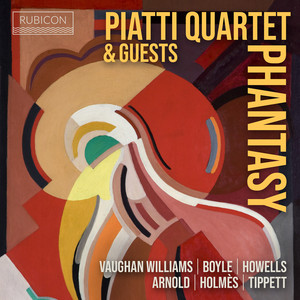 | Phantasy Quintet: II. Scherzo | Ralph Vaughan Williams, Piatti Quartet, Zahra Benyounes | E♭ Minor | 0 | 2A | 89 BPM |
- ISRC
- DE1QW2514316
- Label
- L-M Records/RCA Records