- BPM
- 79
- Key
- C Minor
- Camelot
- 5A
Variations on an Original Theme, Op. 36 "Enigma": 5. R.P.A. (Moderato) by Edward Elgar, London Symphony Orchestra, Eugen Jochum Song Details
Edward Elgar, London Symphony Orchestra, Eugen Jochum's 'Variations on an Original Theme, Op. 36 "Enigma": 5. R.P.A. (Moderato)' had a release date set for January 1, 1975. With This song being less than two minutes long, at 1:52, we are fairly confident that this song is not explicit and is safe for all ages. Based on the duration of this song, this song duration is much smaller than the average song duration. The song is number 6 out of 25 in Elgar: Variations On An Original Theme, Op. 36 "Enigma" / Brahms: Variations On A Theme By Haydn, Op.56a by London Symphony Orchestra, Eugen Jochum. Going off of the ISRC code of this track, we detected that the origin of this track is from Germany. Variations on an Original Theme, Op. 36 "Enigma": 5. R.P.A. (Moderato) is not that popular right now. In our opinion, the overall tone is not very danceable and projects negative sounds, such as being sad, depressed, or angry.
BPM and Tempo
The tempo marking of Variations on an Original Theme, Op. 36 "Enigma": 5. R.P.A. (Moderato) by Edward Elgar, London Symphony Orchestra, Eugen Jochum is Andante (at a walking pace), since this song has a tempo of 79 BPM. With that information, we can conclude that the song has a slow tempo. The time signature for this track is 3/4.
Music Key
C Minor is the music key of this track. Because this track belongs in the C Minor key, the camelot key is 5A. So, the perfect camelot match for 5A would be either 5A or 4B. While, a low energy boost can consist of either 5B or 6A. For moderate energy boost, you would use 2A and a high energy boost can either be 7A or 12A. However, if you are looking for a low energy drop, finding a song with a camelot key of 4A would be a great choice. Where 8A would give you a moderate drop, and 3A or 10A would be a high energy drop. Lastly, 8B allows you to change the mood.
Want to find the BPM and music key for other songs? Check out our BPM and Key Finder page!
- Popularity
- 6%
- Loudness
- -28.075 dB
- Acousticness
- 97%
- Danceability
- 17%
- Energy
- 4%
- Instrumentalness
- 91%
- Liveness
- 10%
- Loudness
- 53%
- Speechiness
- 4%
- Valence
- 31%
Recommendations
| Track | Artist | Key | Energy | Camelot | BPM | ||
|---|---|---|---|---|---|---|---|
 | Cello Sonata in G Minor, Op. 65: III. Largo | Frédéric Chopin, Emmanuelle Bertrand, Pascal Amoyel | B♭ Major | 0 | 6B | 89 BPM | |
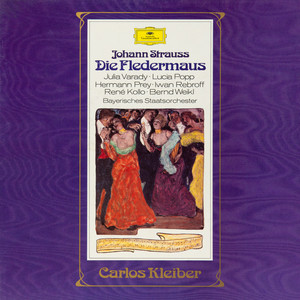 | Die Fledermaus: Overture | Johann Strauss II, Bavarian State Orchestra, Carlos Kleiber | D Major | 2 | 10B | 109 BPM | |
 | L'Arlésienne Suite No.1: Adagietto | Georges Bizet, Berliner Philharmoniker, Herbert von Karajan | F Major | 0 | 7B | 112 BPM | |
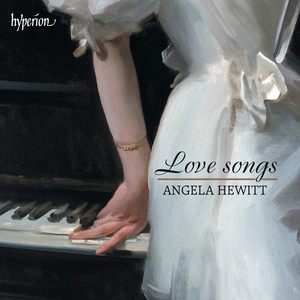 | Morgen, Op. 27 No. 4 (Arr. Reger for Piano) | Richard Strauss, Angela Hewitt | A Major | 2 | 11B | 143 BPM | |
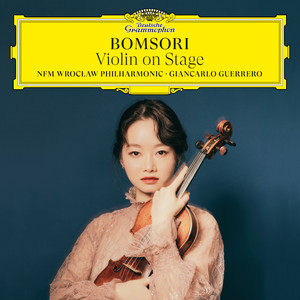 | Thaïs: Méditation | Jules Massenet, Bomsori, NFM Wrocław Philharmonic, Giancarlo Guerrero | D Major | 0 | 10B | 84 BPM | |
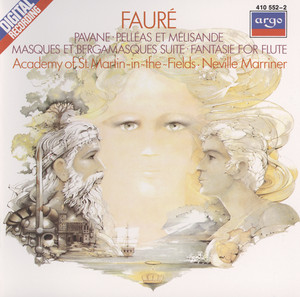 | Pelléas et Mélisande, Op.80: 3. Sicilienne | Gabriel Fauré, Academy of St. Martin in the Fields, Sir Neville Marriner | G Minor | 0 | 6A | 111 BPM | |
 | 3 Liebesträume, S. 541/3: No. 3, O lieb, so lang du lieben kannst (Arr. for Harp by Nora von Marschall) | Franz Liszt, Nora von Marschall | B♭ Major | 0 | 6B | 85 BPM | |
 | The Tempest: Suite No. 2, Op. 109: VI. Miranda | Jean Sibelius, Iceland Symphony Orchestra, Petri Sakari | C Major | 1 | 8B | 70 BPM | |
 | Suite No. 3, P. 172: I. Italiana: Andantino | Ottorino Respighi, RTÉ National Symphony Orchestra | B♭ Major | 1 | 6B | 94 BPM | |
 | Five Pieces For Two Violins and Piano: I. Prelude | Dmitri Shostakovich, Julian Rachlin, Janine Jansen, Yuri Bashmet, Mischa Maisky, Itamar Golan | G Major | 0 | 9B | 85 BPM | |
 | Mahler: Symphony No. 5 in C-Sharp Minor: IV. Adagietto. Sehr langsam (Conclusion) | Gustav Mahler, Sir John Barbirolli, John Barbirolli, New Philharmonia Orchestra | A Minor | 1 | 8A | 77 BPM | |
 | Mozart: Piano Concerto No. 21 in C Major, K. 467: II. Andante | Wolfgang Amadeus Mozart, Jonathan Biss, Orpheus Chamber Orchestra | F Major | 0 | 7B | 183 BPM | |
 | Capriol Suite: 2. Pavane | Peter Warlock, Academy of St. Martin in the Fields, Sir Neville Marriner | B♭ Major | 0 | 6B | 160 BPM | |
 | Violin Concerto No. 1 in G Minor, Op. 26: II. Adagio | Max Bruch, Joshua Bell, Academy of St. Martin in the Fields, Sir Neville Marriner | E♭ Major | 1 | 5B | 85 BPM | |
 | Symphony No. 1 in D Major: III. Feierlich und gemessen, ohne zu schleppen - Live | Gustav Mahler, Berliner Philharmoniker, Claudio Abbado | G Minor | 0 | 6A | 56 BPM | |
 | Elgar: Salut d'amour, Op. 12 | Edward Elgar, Min Kym, Gordon Back | E Major | 1 | 12B | 86 BPM | |
 | Violin Concerto No. 1 in G Minor, Op. 26: III. Allegro energico | Max Bruch, Itzhak Perlman, Bernard Haitink, Royal Concertgebouw Orchestra | G Major | 3 | 9B | 97 BPM | |
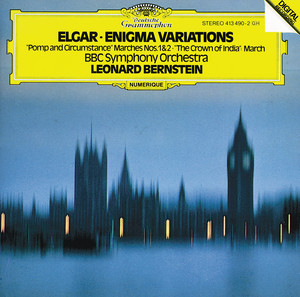 | Variations On An Original Theme, Op.36 "Enigma": 12. B.G.N. (Andante) | Edward Elgar, BBC Symphony Orchestra, Leonard Bernstein | B♭ Major | 0 | 6B | 82 BPM | |
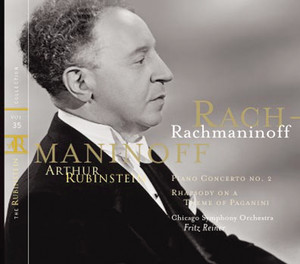 | Piano Concerto No. 2 in C Minor, Op. 18: I. Moderato | Sergei Rachmaninoff, Arthur Rubinstein, Fritz Reiner | C Minor | 1 | 5A | 71 BPM | |
 | I. Prélude. Andantino | César Franck, Jean-Pierre Armengaud | D Major | 0 | 10B | 66 BPM | |
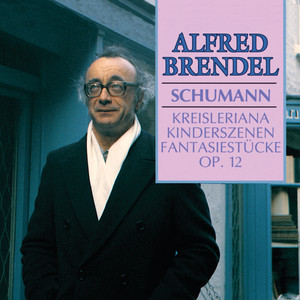 | Kinderszenen, Op. 15: VII. Träumerei | Robert Schumann, Alfred Brendel | F Major | 0 | 7B | 135 BPM | |
 | Cello Concerto No. 1 in A Minor, Op. 33: I. Allegro non troppo | Camille Saint-Saëns, Mischa Maisky, Orpheus Chamber Orchestra | F Major | 2 | 7B | 131 BPM | |
 | Haydn: Cello Concerto No. 1 in C Major, Hob. VIIb, 1: II. Adagio (Cadenza by Britten) | Franz Joseph Haydn, Mstislav Rostropovich, Academy of St. Martin in the Fields | F Major | 1 | 7B | 124 BPM | |
| Capriol Suite: 5. Pied-en- l'air | Peter Warlock, Academy of St. Martin in the Fields, Nicholas Kraemer, Sir Neville Marriner | G Major | 1 | 9B | 113 BPM | |
 | Zdes' khorosho ('How Fair This Spot'), Op. 21, No. 7 | Sergei Rachmaninoff, Pablo Ferrandez, Denis Kozhukhin | A Major | 0 | 11B | 87 BPM |
- ISRC
- DEF057501936
- Label
- L-M Records/RCA Records