- BPM
- 136
- Key
- B♭ Major
- Camelot
- 6B
Variations on a Theme by Haydn, Op. 56a: Variation VIII: Presto non troppo by Johannes Brahms, London Symphony Orchestra, Eugen Jochum Song Details
"Variations on a Theme by Haydn, Op. 56a: Variation VIII: Presto non troppo" by Johannes Brahms, London Symphony Orchestra, Eugen Jochum had its release date on January 1, 1975. With This song being less than two minutes long, at 1:05, we are fairly confident that this song is not explicit and is safe for all ages. Based on the duration of this song, this song duration is much smaller than the average song duration. The song is number 24 out of 25 in Elgar: Variations On An Original Theme, Op. 36 "Enigma" / Brahms: Variations On A Theme By Haydn, Op.56a by London Symphony Orchestra, Eugen Jochum. Going off of the ISRC code of this track, we detected that the origin of this track is from Germany. Based on our statistics, Variations on a Theme by Haydn, Op. 56a: Variation VIII: Presto non troppo's popularity is not that popular right now. In our opinion, the overall tone is not very danceable and projects negative sounds, such as being sad, depressed, or angry.
BPM and Tempo
The tempo marking of Variations on a Theme by Haydn, Op. 56a: Variation VIII: Presto non troppo by Johannes Brahms, London Symphony Orchestra, Eugen Jochum is Allegro (fast, quick, and bright), since this song has a tempo of 136 BPM. With that information, we can conclude that the song has a fast tempo. This song can go great with walking. The time signature for this track is 3/4.
Music Key
This song is in the music key of B♭ Major. This also means that this song has a camelot key of 6B. So, the perfect camelot match for 6B would be either 6B or 7A. While, 7B can give you a low energy boost. For moderate energy boost, you would use 3B and a high energy boost can either be 8B or 1B. Though, if you want a low energy drop, you should looking for songs with either a camelot key of 6A or 5B will give you a low energy drop, 9B would be a moderate one, and 4B or 11B would be a high energy drop. Lastly, 3A allows you to change the mood.
Want to find the BPM and music key for other songs? Check out our BPM and Key Finder page!
- Popularity
- 3%
- Loudness
- -28.664 dB
- Acousticness
- 98%
- Danceability
- 16%
- Energy
- 4%
- Instrumentalness
- 90%
- Liveness
- 15%
- Loudness
- 52%
- Speechiness
- 4%
- Valence
- 17%
Recommendations
| Track | Artist | Key | Energy | Camelot | BPM | ||
|---|---|---|---|---|---|---|---|
 | Recueil de chants, Op. 65: No. 6, Barcarolle | Charles-Valentin Alkan, Bruce Liu | G Minor | 0 | 6A | 70 BPM | |
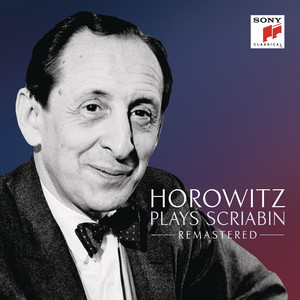 | Etude in D-Sharp Minor, Op. 8, No. 12: Patetico - Remastered | Alexander Scriabin, Vladimir Horowitz | D♭ Minor | 3 | 12A | 72 BPM | |
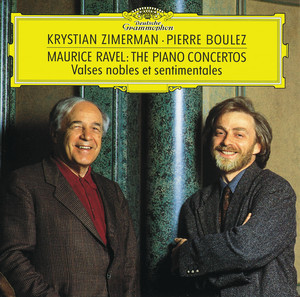 | Piano Concerto in G Major, M. 83: II. Adagio assai | Maurice Ravel, Krystian Zimerman, Cleveland Orchestra, Pierre Boulez | E Major | 0 | 12B | 74 BPM | |
 | Consolation No. 3 in D-Flat Major, S. 172/3 | Franz Liszt, Vladimir Horowitz | D♭ Major | 0 | 3B | 70 BPM | |
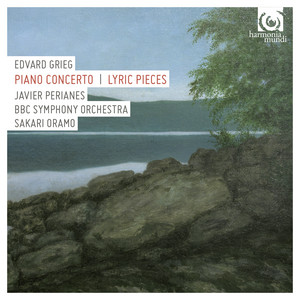 | Piano Concerto in A Minor, Op. 16: II. Adagio | Edvard Grieg, Javier Perianes, BBC Symphony Orchestra, Sakari Oramo | D♭ Major | 0 | 3B | 79 BPM | |
 | Sarasate: Zigeunerweisen, Op. 20 | Pablo de Sarasate, Itzhak Perlman, Abbey Road Ensemble | C Minor | 1 | 5A | 83 BPM | |
 | Peer Gynt Suite No. 1, Op. 46: III. Anitra's Dance | Edvard Grieg, Berliner Philharmoniker, Herbert von Karajan | D Minor | 0 | 7A | 84 BPM | |
 | Polovetsian Dances from Prince Igor: Introduzione | Alexander Borodin, George Szell, The Cleveland Orchestra | A Major | 1 | 11B | 83 BPM | |
 | Passacaglia in G Minor (After G.F. Handel's Keyboard Suite No. 7 in G Minor, HWV 432: VI. Passacaille) | Johan Halvorsen, Natalia Lomeiko, Yuri Zhislin | A Minor | 1 | 8A | 149 BPM | |
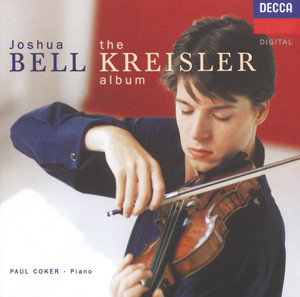 | Liebesleid, Old Viennese Dance No. 2 | Fritz Kreisler, Joshua Bell, Paul Coker | A Major | 1 | 11B | 74 BPM | |
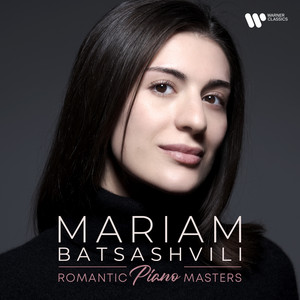 | Liszt: Lieder aus Franz Schubert's "Schwanengesang", S. 560: No. 7 Ständchen | Franz Liszt, Mariam Batsashvili | A Minor | 1 | 8A | 120 BPM | |
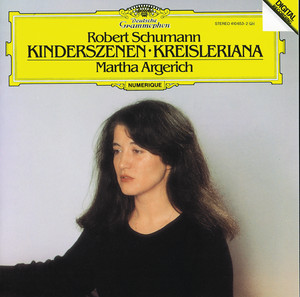 | Kinderszenen, Op. 15: I. Von fremden Ländern und Menschen | Robert Schumann, Martha Argerich | G Major | 0 | 9B | 128 BPM | |
 | Bagatelles et impromptus, JB 1:19: VII. Love | Bedřich Smetana, William Howard | A Major | 0 | 11B | 76 BPM | |
 | Orfeo ed Euridice, Wq. 30: Dance of the Blessed Spirits "Melody" (Arr. Sgambati for Piano) | Christoph Willibald Gluck, Yuja Wang | D Minor | 0 | 7A | 70 BPM | |
 | Symphony No. 1 in D Major: 2. Kräftig bewegt - Live | Gustav Mahler, Berliner Philharmoniker, Claudio Abbado | A Major | 1 | 11B | 96 BPM | |
 | L’arlésienne Suite No. 2 (Arr. E. Guiraud): III. Menuet | Georges Bizet, Orquestra Simfònica de Barcelona i Nacional de Catalunya, Pablo González | E♭ Major | 0 | 5B | 79 BPM | |
 | Pavane in F-Sharp Minor, Op. 50 | Gabriel Fauré, Lucas Debargue | F♯ Minor | 0 | 11A | 163 BPM | |
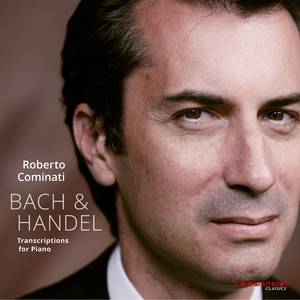 | Minuet in G Minor, HWV 434 No. 4 (Transc. W. Kempff) | George Frideric Handel, Roberto Cominati | G Minor | 0 | 6A | 66 BPM | |
 | String Quartet No. 12 in F major, Op. 96 - "American" B.179: 2. Lento | Antonín Dvořák, Hagen Quartett | D Minor | 1 | 7A | 88 BPM | |
 | Violin Concerto in D Major, Op. 61: III. Rondo. Allegro | Ludwig van Beethoven, Fritz Kreisler, Anne-Sophie Mutter, Berliner Philharmoniker, Herbert von Karajan | D Major | 1 | 10B | 128 BPM | |
 | Le carnaval des animaux, R. 125: Le cygne | Camille Saint-Saëns, Mischa Maisky, Orpheus Chamber Orchestra | C Major | 0 | 8B | 83 BPM | |
 | Notturno in G Minor | Fanny Mendelssohn, Heather Schmidt | G Minor | 1 | 6A | 125 BPM | |
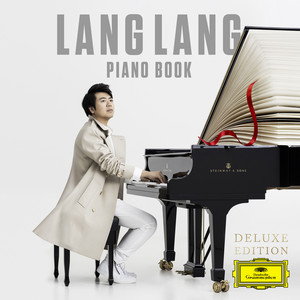 | The Well-Tempered Clavier I, Prelude & Fugue No. 1 in C Major, BWV 846: I. Prelude | Johann Sebastian Bach, Lang Lang | C Major | 1 | 8B | 134 BPM | |
 | Piano Sonata No.8 In C Minor, Op.13 -"Pathétique": 2. Adagio cantabile | Ludwig van Beethoven, Daniel Barenboim | A♭ Major | 0 | 4B | 179 BPM | |
 | Adagio in F, H.XVII No. 9 | Joseph Haydn, Alfred Brendel | F Major | 0 | 7B | 71 BPM |
- ISRC
- DEF057501949
- Label
- L-M Records/RCA Records