- BPM
- 71
- Key
- E Minor
- Camelot
- 9A
Dichterliebe, Op. 48: VI. Im Rhein, im heiligen Strome by Robert Schumann, Fritz Wunderlich, Hubert Giesen Song Details
Robert Schumann, Fritz Wunderlich, Hubert Giesen's ' "Dichterliebe, Op. 48: VI. Im Rhein, im heiligen Strome" was released on its scheduled release date, January 1, 1997. With This song being less than two minutes long, at 1:45, we are fairly confident that this song is not explicit and is safe for all ages. Based on the duration of this song, this song duration is much smaller than the average song duration. There are a total of 29 in the song's album "Schumann: Dichterliebe / Beethoven & Schubert: Lieder". In this album, this song's track order is #6. Furthermore, we believe that the track originated from Germany. Dichterliebe, Op. 48: VI. Im Rhein, im heiligen Strome is not that popular right now. Since there is more of a neutral sound being played, this makes the track somewhat danceable.
BPM and Tempo
With Dichterliebe, Op. 48: VI. Im Rhein, im heiligen Strome by Robert Schumann, Fritz Wunderlich, Hubert Giesen having a BPM of 71 with a half-time of 36 BPM and a double-time of 142 BPM, we would consider this track to have a Adagio (slowly with great expression) tempo marking. Because of this, we believe that the song has an overall slow tempo. The time signature for this track is 4/4.
Music Key
This song has a musical key of E Minor. Which also means that the camelot key for this song is 9A. So, the perfect camelot match for 9A would be either 9A or 8B. While, a low energy boost can consist of either 9B or 10A. For moderate energy boost, you would use 6A and a high energy boost can either be 11A or 4A. However, if you are looking for a low energy drop, finding a song with a camelot key of 8A would be a great choice. Where 12A would give you a moderate drop, and 7A or 2A would be a high energy drop. Lastly, 12B allows you to change the mood.
Want to find the BPM and music key for other songs? Check out our BPM and Key Finder page!
- Popularity
- 14%
- Loudness
- -19.165 dB
- Acousticness
- 99%
- Danceability
- 42%
- Energy
- 13%
- Instrumentalness
- 0%
- Liveness
- 25%
- Loudness
- 68%
- Speechiness
- 4%
- Valence
- 47%
Recommendations
| Track | Artist | Key | Energy | Camelot | BPM | ||
|---|---|---|---|---|---|---|---|
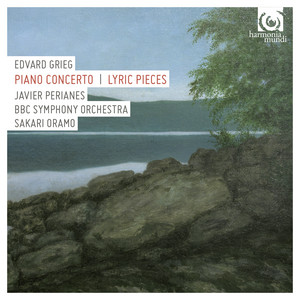 | Lyric Pieces, Book X, Op. 71: No. 7, Efterklang. Tempo di valse | Edvard Grieg, Javier Perianes | B♭ Major | 0 | 6B | 166 BPM | |
 | Etudes-Tableaux, Op. 33, No. 4 in D Minor | Hélène Grimaud | D Minor | 2 | 7A | 94 BPM | |
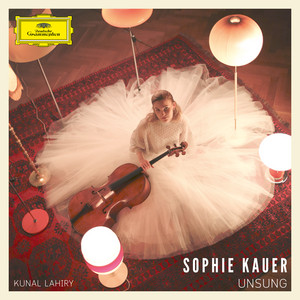 | 3 Romances, Op. 22: No. 1, Andante molto (Arr. Knoth for Cello and Piano) | Clara Schumann, Sophie Kauer, Kunal Lahiry | D♭ Major | 0 | 3B | 68 BPM | |
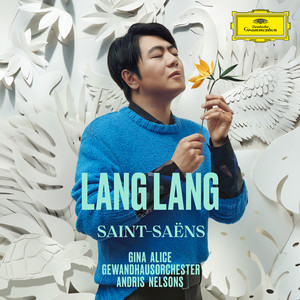 | Pavane, Op. 50 (Version for Piano) | Gabriel Fauré, Lang Lang | A Minor | 1 | 8A | 126 BPM | |
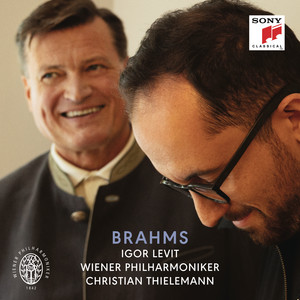 | 6 Piano Pieces, Op. 118: No. 2: Intermezzo in A Major | Johannes Brahms, Igor Levit | F♯ Minor | 0 | 11A | 78 BPM | |
 | 6 Pieces for Piano, P. 44: No. 3. Notturno. Lento (Version for Harp) | Ottorino Respighi, Magdalena Hoffmann | F♯ Major | 0 | 2B | 88 BPM | |
 | Capriccio brillant, Op. 22: Andante | Felix Mendelssohn, Matthias Kirschnereit, Michael Sanderling, Frankfurt Radio Symphony Orchestra | B Major | 0 | 1B | 91 BPM | |
 | Pelléas et Mélisande, Op.80: 3. Sicilienne | Gabriel Fauré, Academy of St. Martin in the Fields, Sir Neville Marriner | G Minor | 0 | 6A | 111 BPM | |
 | Valse lente | Germaine Tailleferre, Lang Lang | F♯ Minor | 0 | 11A | 80 BPM | |
 | Brahms: 6 Piano Pieces, Op. 118: No. 2, Intermezzo in A Major | Johannes Brahms, Martin James Bartlett | B♭ Major | 1 | 6B | 129 BPM | |
 | Dolly Suite, Op. 56: I. Berceuse | Gabriel Fauré, Katia Labèque, Marielle Labèque | E Major | 0 | 12B | 63 BPM | |
 | Recueil de chants, Op. 65: No. 6, Barcarolle | Charles-Valentin Alkan, Bruce Liu | G Minor | 0 | 6A | 70 BPM | |
 | Bist du bei mir (Formerly Attrib. J.S. Bach as BWV 508, Notebook for Anna Magdalena Bach, 1725) | Gottfried Heinrich Stölzel, Daniil Trifonov | E♭ Major | 0 | 5B | 133 BPM | |
 | Lieder ohne Worte, Op. 19: No. 6 in G Minor (Andante sostenuto) "Venetian Gondola Song", MWV U78 | Felix Mendelssohn, Jan Lisiecki | G Minor | 0 | 6A | 168 BPM | |
 | Etude in C-Sharp Minor, Op. 2/1 | Alexander Scriabin, Khatia Buniatishvili | D♭ Minor | 0 | 12A | 70 BPM | |
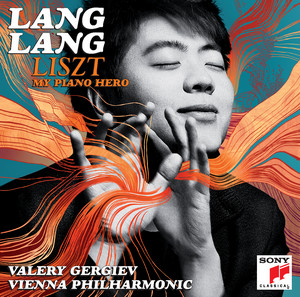 | Romance "O pourquoi donc" in E Minor, S. 169 | Franz Liszt, Lang Lang | E Minor | 0 | 9A | 67 BPM | |
 | 5 Piano Pieces Op. 3, TrV 105: No. 1, Andante | Richard Strauss, Guillaume Bellom | B♭ Major | 0 | 6B | 71 BPM | |
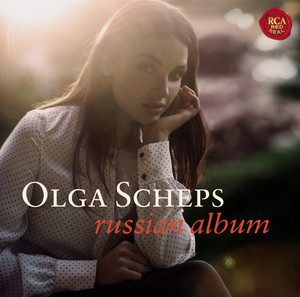 | Valse sentimentale, Op. 51, No. 6 | Pyotr Ilyich Tchaikovsky, Olga Scheps | B♭ Minor | 0 | 3A | 69 BPM | |
 | Liszt: 12 Lieder von Franz Schubert, S. 558: No. 7, Frühlingsglaube | Franz Liszt, Aimi Kobayashi | A♭ Major | 0 | 4B | 68 BPM | |
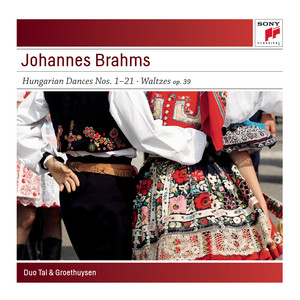 | 16 Waltzes, Op. 39 (Version for Piano Duet): No. 15 in A-Flat Major | Johannes Brahms, Tal & Groethuysen | A Major | 0 | 11B | 126 BPM | |
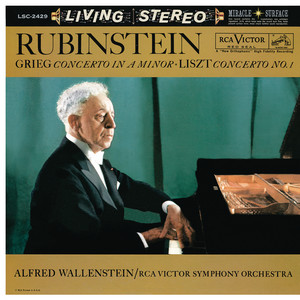 | Piano Concerto in A Minor, Op. 16: II. Adagio - Remastered | Edvard Grieg, Arthur Rubinstein, RCA Victor Symphony Orchestra, Alfred Wallenstein | D♭ Major | 0 | 3B | 86 BPM | |
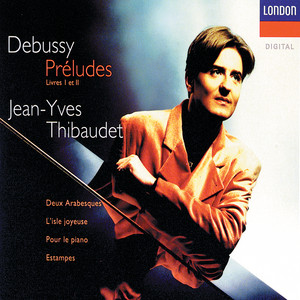 | Rêverie, L. 68: Rêverie | Claude Debussy, Jean-Yves Thibaudet | G Minor | 0 | 6A | 69 BPM | |
 | Schluss | Fanny Mendelssohn, Heather Schmidt | E Major | 1 | 12B | 87 BPM | |
 | Lieder ohne Worte I, Op. 19b: I. Andante con moto, MWV U86 "Sweet Remembrance" | Felix Mendelssohn, Daniel Barenboim | F♯ Minor | 0 | 11A | 83 BPM | |
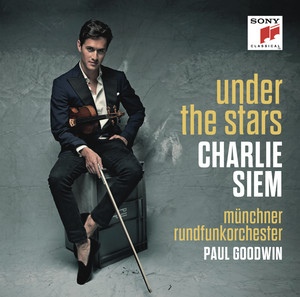 | Salut d'amour, Op. 12 | Edward Elgar, Charlie Siem, Paul Goodwin | E Major | 1 | 12B | 95 BPM |
- ISRC
- DEF056530806
- Label
- L-M Records/RCA Records