- BPM
- 125
- Key
- G Minor
- Camelot
- 6A
Zwei Krawatten: Zwischenspiel - Dialog by Mischa Spoliansky, Kölner Rundfunkorchester, Franz Marszalek, Lore Lorentz, Werner Hinz, Peter Fröhlich Song Details
Mischa Spoliansky, Kölner Rundfunkorchester, Franz Marszalek, Lore Lorentz, Werner Hinz, Peter Fröhlich's ' "Zwei Krawatten: Zwischenspiel - Dialog" was released on its scheduled release date, October 2, 2014. The duration of This song is about two minutes long, specifically at 2:40. This song does not appear to have any foul language. Zwei Krawatten: Zwischenspiel - Dialog's duration is considered a little bit shorter than the average duration of a typical track. There are a total of 12 in the song's album "Spoliansky: Zwei Krawatten (Querschnitt)". In this album, this song's track order is #4. Furthermore, we believe that the track originated from Germany. Based on our statistics, Zwei Krawatten: Zwischenspiel - Dialog's popularity is unknown right now. The overall mood can be danceable to some, especially with it's high amount of postive energy.
BPM and Tempo
With Zwei Krawatten: Zwischenspiel - Dialog by Mischa Spoliansky, Kölner Rundfunkorchester, Franz Marszalek, Lore Lorentz, Werner Hinz, Peter Fröhlich having a BPM of 125 with a half-time of 62 BPM and a double-time of 250 BPM, we would consider this track to have a Allegro (fast, quick, and bright) tempo marking. Because of this, we believe that the song has an overall fast tempo. Looking at the BPM of this song, this song might go great with walking. The time signature for this track is 4/4.
Music Key
This song is in the music key of G Minor. Which also means that the camelot key for this song is 6A. So, the perfect camelot match for 6A would be either 6A or 5B. While, a low energy boost can consist of either 6B or 7A. For moderate energy boost, you would use 3A and a high energy boost can either be 8A or 1A. However, if you are looking for a low energy drop, finding a song with a camelot key of 5A would be a great choice. Where 9A would give you a moderate drop, and 4A or 11A would be a high energy drop. Lastly, 9B allows you to change the mood.
Want to find the BPM and music key for other songs? Check out our BPM and Key Finder page!
- Popularity
- 0%
- Loudness
- -6.75 dB
- Acousticness
- 59%
- Danceability
- 51%
- Energy
- 67%
- Instrumentalness
- 1%
- Liveness
- 16%
- Loudness
- 89%
- Speechiness
- 4%
- Valence
- 60%
Recommendations
| Track | Artist | Key | Energy | Camelot | BPM | ||
|---|---|---|---|---|---|---|---|
 | Vielleicht wartet irgendwo ein kleines Mädelchen auf mich | Mischa Spoliansky, Paul Robeson, Patrice Munsel, Joseph Schmidt, Jan Kiepura, Bela Dajos, Studio chorus, Comedian Harmonists, London Film Orchestra, Gordon Jenkins Orchestra, Mischa Spoliansky Revue Orchestra, Queen's Hall Light Orchestra, Studio orchestra, Marek Weber Orch | C Major | 1 | 8B | 75 BPM | |
 | Einmal In Der Woch'n Fall I Um | Hans Moser | B♭ Major | 1 | 6B | 84 BPM | |
 | Für eine Nacht voller Seligkeit | Rudi Schuricke | E♭ Major | 2 | 5B | 98 BPM | |
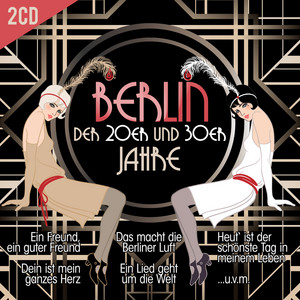 | Ein Freund, ein guter Freund | Willy Fritsch, Heinz Rühmann | E♭ Minor | 6 | 2A | 129 BPM | |
 | "Wien, Wien nur du allein" | Rudolf Sieczynski, Fritz Wunderlich, Vienna Volksoper Orchestra, Robert Stolz | G Major | 4 | 9B | 77 BPM | |
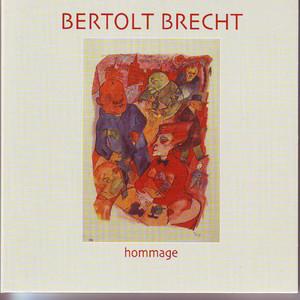 | Die moritat von mackie messer | Bertolt Brecht | A♭ Minor | 1 | 1A | 85 BPM | |
 | Unter Orangenblüten | Erik Meyer-Helmund, Richard Tauber, Mischa Spoliansky, Dajos Béla | B♭ Major | 1 | 6B | 70 BPM | |
 | Dein ist mein ganzes Herz | Richard Tauber | D♭ Major | 4 | 3B | 83 BPM | |
 | An die Musik, Op. 88, No. 4, D. 547 | Elisabeth Schwarzkopf | D Major | 0 | 10B | 78 BPM | |
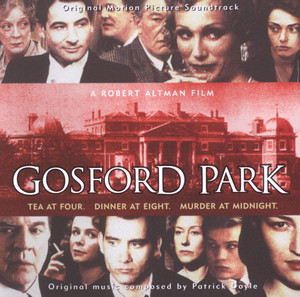 | And her mother came too | Jeremy Northam, Christopher Northam | E♭ Major | 1 | 5B | 177 BPM | |
 | 4 Lieder, Op. 27: 4. Morgen! | Richard Strauss, Jessye Norman, Gewandhausorchester Leipzig, Kurt Masur | G Major | 0 | 9B | 81 BPM | |
 | Wenn die Elisabeth nicht so schöne Beine hätt' | Siegfried Arno | G Major | 6 | 9B | 120 BPM | |
| Ich weiss, das ist nicht so | Mischa Spoliansky, Paul Robeson, Patrice Munsel, Joseph Schmidt, Jan Kiepura, Bela Dajos, Studio chorus, Comedian Harmonists, London Film Orchestra, Gordon Jenkins Orchestra, Mischa Spoliansky Revue Orchestra, Queen's Hall Light Orchestra, Studio orchestra, Marek Weber Orch | G Minor | 1 | 6A | 119 BPM | |
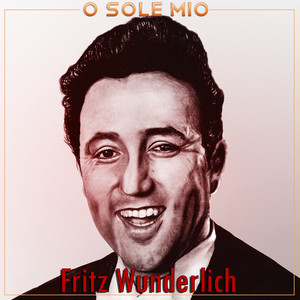 | Granada | Fritz Wunderlich | F Major | 3 | 7B | 160 BPM | |
 | Wegen Emil seine unanständ'ge Lust | Claire Waldoff | D Major | 3 | 10B | 87 BPM | |
 | Theme De Harry Lime | Anton Karas | G Major | 5 | 9B | 146 BPM | |
| Berliner Frühlingslied | Mischa Spoliansky, Paul Robeson, Patrice Munsel, Joseph Schmidt, Jan Kiepura, Bela Dajos, Studio chorus, Comedian Harmonists, London Film Orchestra, Gordon Jenkins Orchestra, Mischa Spoliansky Revue Orchestra, Queen's Hall Light Orchestra, Studio orchestra, Marek Weber Orch | C Minor | 1 | 5A | 83 BPM | |
 | Walzer Nr.2 (Op.99a) | Dmitri Shostakovich, Kurorchester Bad Hall | G Major | 2 | 9B | 94 BPM | |
 | Die Lorelei: Ich weiss nicht, was soll es bedeuten | Friedrich Silcher, Carl Maria von Weber Men's Choir, Berlin, Andreas Wiedermann | D♭ Major | 0 | 3B | 127 BPM | |
 | Wir Machen Musik | Ilse Werner | F Major | 4 | 7B | 181 BPM | |
| L'Heure bleue | Mischa Spoliansky, Argentinische Tangokapelle | B♭ Major | 2 | 6B | 173 BPM | |
 | In meiner Heimat | Eugen Hildach, Richard Tauber, Dajos Béla, Mischa Spoliansky | G Major | 2 | 9B | 76 BPM | |
 | Wem gehört ihr Herz am nächsten Sonntag, Fräulein? | Hans Söhnker | C Major | 3 | 8B | 136 BPM | |
 | I Remember It Well | Maurice Chevalier | F Major | 4 | 7B | 181 BPM | |
 | J'attendrai | Rina Ketty | A♭ Major | 3 | 4B | 114 BPM |
- ISRC
- DEHB51289859
- Label
- L-M Records/RCA Records