- BPM
- 141
- Key
- G Major
- Camelot
- 9B
Paris canaille by Léo Ferré Song Details
Léo Ferré's ' "Paris canaille" was released on its scheduled release date, August 1, 2010. The duration of This song is about two minutes long, specifically at 2:41. This song does not appear to have any foul language. Paris canaille's duration is considered a little bit shorter than the average duration of a typical track. The track order of this song in Léo Ferré's "Grandes chansons" album is number 39 out of 55. Based on our statistics, Paris canaille's popularity is unknown right now. The overall tone is very danceable, especially with its high energy, which produces more of a euphoric, cheerful, or happy vibe.
BPM and Tempo
We consider the tempo marking of Paris canaille by Léo Ferré to be Allegro (fast, quick, and bright) because the track has a tempo of 141 BPM, a half-time of 70BPM, and a double-time of 282 BPM. Based on that, the speed of the song's tempo is fast. Activities such as, jogging or cycling, can go well with this song. The time signature for this track is 4/4.
Music Key
This song is in the music key of G Major. This also means that this song has a camelot key of 9B. So, the perfect camelot match for 9B would be either 9B or 10A. While, 10B can give you a low energy boost. For moderate energy boost, you would use 6B and a high energy boost can either be 11B or 4B. Though, if you want a low energy drop, you should looking for songs with either a camelot key of 9A or 8B will give you a low energy drop, 12B would be a moderate one, and 7B or 2B would be a high energy drop. Lastly, 6A allows you to change the mood.
Want to find the BPM and music key for other songs? Check out our BPM and Key Finder page!
- Popularity
- 0%
- Loudness
- -21.649 dB
- Acousticness
- 92%
- Danceability
- 77%
- Energy
- 4%
- Instrumentalness
- 0%
- Liveness
- 12%
- Loudness
- 64%
- Speechiness
- 27%
- Valence
- 72%
Recommendations
| Track | Artist | Key | Energy | Camelot | BPM | ||
|---|---|---|---|---|---|---|---|
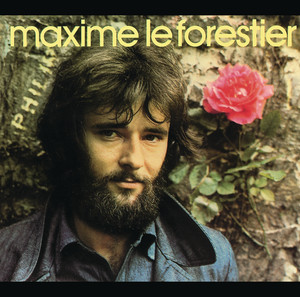 | Mon frère | Maxime Le Forestier | D Minor | 2 | 7A | 80 BPM | |
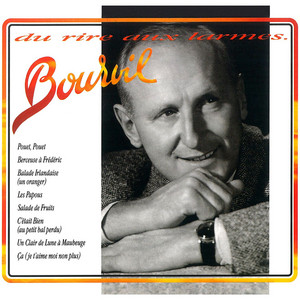 | C'était bien (Le p'tit bal perdu) | Andre Bourvil | C Major | 1 | 8B | 144 BPM | |
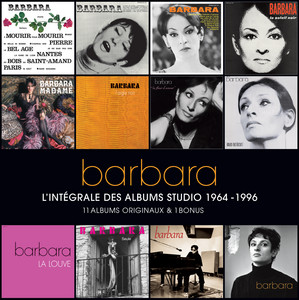 | Vienne | Barbara | E♭ Major | 3 | 5B | 171 BPM | |
 | Ce qui est dit doit être fait | Jacques Higelin | F♯ Major | 9 | 2B | 181 BPM | |
 | À bout de souffle | Claude Nougaro | D Major | 5 | 10B | 93 BPM | |
 | Aimer à perdre la raison | Jean Ferrat | C Major | 3 | 8B | 72 BPM | |
 | Ni trop tôt, ni trop tard | Jeanne Moreau | F♯ Minor | 1 | 11A | 116 BPM | |
 | Bruxelles | Dick Annegarn | E Major | 4 | 12B | 134 BPM | |
 | Écoutez la chanson bien douce | Léo Ferré | C Major | 4 | 8B | 91 BPM | |
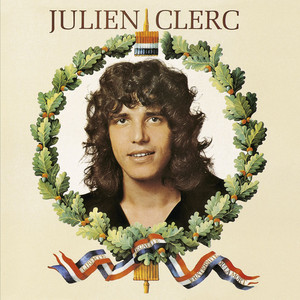 | Le patineur | Julien Clerc | B Minor | 5 | 10A | 95 BPM | |
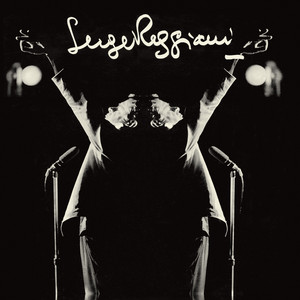 | Il suffirait de presque rien | Serge Reggiani | F Major | 5 | 7B | 118 BPM | |
 | Petit Simon | Hugues Aufray | G Major | 2 | 9B | 107 BPM | |
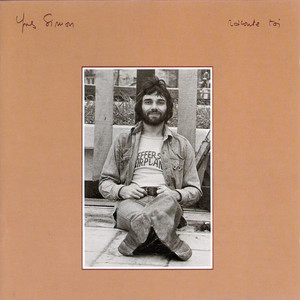 | Tout ce que j'ai dit | Yves Simon | F Major | 1 | 7B | 80 BPM | |
| Ces gens-là | Jacques Brel | A♭ Minor | 1 | 1A | 80 BPM | ||
| Le blues indolent | Jeanne Moreau | C Major | 1 | 8B | 93 BPM | |
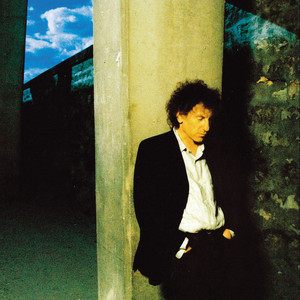 | Les filles électriques | Alain Souchon | A♭ Major | 1 | 4B | 202 BPM | |
 | Les trois cloches - Remasterisé en 2015 | Édith Piaf, Les Compagnons De La Chanson | A Major | 3 | 11B | 112 BPM | |
 | Dis quand reviendras tu | Cora Vaucaire | D♭ Minor | 2 | 12A | 54 BPM | |
 | Ma môme | Jean Ferrat | G Minor | 5 | 6A | 95 BPM | |
 | Les vacances au bord de la mer | Michel Jonasz | E♭ Major | 2 | 5B | 132 BPM | |
 | Maman, la plus belle du monde | Luis Mariano | G Major | 1 | 9B | 106 BPM | |
 | Ne chantez pas la mort | Léo Ferré | A♭ Major | 3 | 4B | 105 BPM | |
 | La poésie fout l'camp, Villon ! | Léo Ferré | F♯ Minor | 5 | 11A | 81 BPM | |
 | Il n'y a plus d'après | Guy Béart | G Major | 2 | 9B | 107 BPM | |
 | Tant de belles choses... | Françoise Hardy | E Minor | 6 | 9A | 130 BPM |
- ISRC
- This song does not have an ISRC.
- Label
- L-M Records/RCA Records