- BPM
- 76
- Key
- F Major
- Camelot
- 7B
Von Apfelblüten einen Kranz by Rudolf Schock Song Details
"Von Apfelblüten einen Kranz" by Rudolf Schock had its release date on February 28, 2023. With this song being around four minutes long, at 3:52, the duration of this song is pretty average compared to other songs. This track is safe for children and doesn't appear to contain any foul language, since the "Explicit" tag was not present in this track. There are a total of 20 in the song's album "Rudolf Schock; Einfach das beste, Vol. 3". In this album, this song's track order is #17. Von Apfelblüten einen Kranz is unknown right now. In our opinion, the overall tone is not very danceable and projects negative sounds, such as being sad, depressed, or angry.
BPM and Tempo
With Von Apfelblüten einen Kranz by Rudolf Schock having a BPM of 76 with a half-time of 38 BPM and a double-time of 152 BPM, we would consider this track to have a Adagio (slowly with great expression) tempo marking. Because of this, we believe that the song has an overall slow tempo. The time signature for this track is 3/4.
Music Key
This song has a musical key of F Major. Or for those who are familiar with the camelot wheel, this song has a camelot key of 7B. So, the perfect camelot match for 7B would be either 7B or 8A. While, 8B can give you a low energy boost. For moderate energy boost, you would use 4B and a high energy boost can either be 9B or 2B. Though, if you want a low energy drop, you should looking for songs with either a camelot key of 7A or 6B will give you a low energy drop, 10B would be a moderate one, and 5B or 12B would be a high energy drop. Lastly, 4A allows you to change the mood.
Want to find the BPM and music key for other songs? Check out our BPM and Key Finder page!
- Popularity
- 0%
- Loudness
- -9.854 dB
- Acousticness
- 98%
- Danceability
- 18%
- Energy
- 35%
- Instrumentalness
- 0%
- Liveness
- 14%
- Loudness
- 84%
- Speechiness
- 3%
- Valence
- 15%
Recommendations
| Track | Artist | Key | Energy | Camelot | BPM | ||
|---|---|---|---|---|---|---|---|
 | Fünfdreiviertel, das spricht Bände | Rudolf Schock | G Major | 5 | 9B | 119 BPM | |
 | Das muss ein Stück vom Himmel sein | Paul Hörbiger | F Major | 4 | 7B | 126 BPM | |
 | Die verkaufte Braut (2007 Remaster), Akt 2: Wie schäumst du in den Gläsern (Chor: Hans - Kezal - Chor) | Bedřich Smetana, Pilar Lorengar/Fritz Wunderlich/Gottlob Frick/Bamberger Symphoniker/Rudolf Kempe, Rudolf Kempe, Bamberg Symphony | G Major | 5 | 9B | 112 BPM | |
 | Tanzen möchte ich | Rudolf Schock | A♭ Major | 3 | 4B | 167 BPM | |
 | La Bohème: Mi chiamano Mimi | Mirella Freni | D Major | 2 | 10B | 74 BPM | |
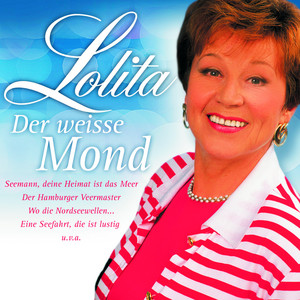 | Der weiße Mond von Maratonga | Lolita | G Major | 2 | 9B | 86 BPM | |
 | Orfeo ed Euridice (Sung in English): Orfeo ed Euridice, Act III: Aria: What is life to me without thee (Che faro senza Euridice?) | Kathleen Ferrier | C Major | 2 | 8B | 70 BPM | |
 | Non ti scordar di me | Ernesto de Curtis, Jonas Kaufmann, Orchestra del Teatro Massimo di Palermo, Asher Fisch | A♭ Major | 2 | 4B | 74 BPM | |
 | Die Zauberflöte, K. 620, Act I: No. 3, Dies Bildnis ist bezaubernd schön | Wolfgang Amadeus Mozart, Fritz Wunderlich, Berliner Philharmoniker, Karl Böhm | E♭ Major | 1 | 5B | 90 BPM | |
 | Rossini: Petite messe solennelle: II. Gloria, 4. Domine Deus (Tenor). Allegro giusto | Gioachino Rossini, Antonio Pappano | F Major | 1 | 7B | 81 BPM | |
 | Die Csardasfürstin: Tanzen möcht' ich | Emmerich Kálmán, Angelika Kirchschlager, Simon Keenlyside, Alfred Eschwe, Tonkünstler-Orchester | C Major | 2 | 8B | 95 BPM | |
| Schön ist die Welt | Rudolf Schock | F Major | 4 | 7B | 76 BPM | |
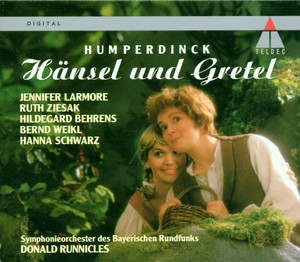 | Humperdinck : Hänsel und Gretel : Act 1 "So recht! Und willst du nun nicht mehr klagen" [Gretel, Hänsel] | Engelbert Humperdinck, Donald Runnicles, Bavarian Radio Symphony Orchestra | G Minor | 1 | 6A | 127 BPM | |
| Heimweh | Rudolf Schock | A♭ Major | 3 | 4B | 167 BPM | |
 | La Wally: Acto I: "Ebbene, ne Andró Lontana" | Victoria de los Ángeles | E Minor | 2 | 9A | 83 BPM | |
 | Carmen (Act I, Sequedille) | Agnes Baltsa | D Major | 2 | 10B | 112 BPM | |
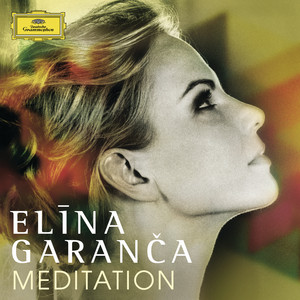 | Agnus Dei | Georges Bizet, Elina Garanca, Deutsche Radio Philharmonie Saarbrücken, Karel Mark Chichon | E♭ Major | 1 | 5B | 90 BPM | |
 | Ave Maria | Johann Sebastian Bach, Charles Gounod, Opera Orchestra, Harry van Hoof, Cristina Deutekom, Opera Chorus | G Major | 1 | 9B | 142 BPM | |
| Die lustige Witwe: Da geh' ich zu Maxim | Franz Lehár, Simon Keenlyside, Alfred Eschwe, Tonkünstler-Orchester, Angelika Kirchschlager | D Major | 1 | 10B | 87 BPM | |
 | Schwarzwaldmädel · Operette in drei Akten (Querschnitt in der Originalinstrumentierung) (2002 Digital Remaster), Zweiter Akt: - Alle Werden Sie Sich Drehen - Erklingen Zum Tanze Die Geigen (Bärbele, Römer) | Leon Jessel, Kurt Böhme, Erika Köth, Jürgen Förster, Christine Görner, Heinz Hoppe, Symphonieorchester Graunke, Cornelius Eberhardt, Harry Friedauer, Chor des Theaters am Gärtnerplatz, München, Willy Mattes | A Major | 2 | 11B | 84 BPM | |
 | Weißer Holunder | Lolita | E♭ Major | 4 | 5B | 51 BPM | |
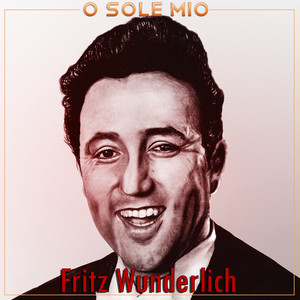 | Granada | Fritz Wunderlich | F Major | 3 | 7B | 160 BPM | |
 | Komm in die Gondel (From "Eine Nacht in Venedig") | Johann Strauss II, Jonas Kaufmann, Ádám Fischer, Wiener Philharmoniker | C Major | 2 | 8B | 72 BPM | |
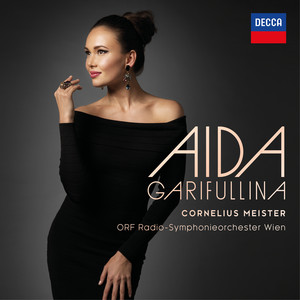 | The Snow Maiden / Prologue: "S podruzhami po yagoda khodit" (The Snow Maiden's Aria) | Nikolai Rimsky-Korsakov, Aida Garifullina, Vienna Radio Symphony Orchestra, Cornelius Meister | E Major | 2 | 12B | 129 BPM | |
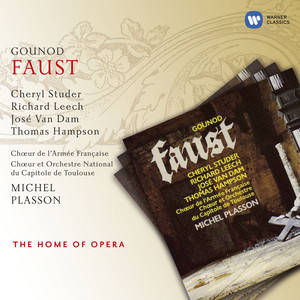 | Gounod: Faust, Act 5: Trio-finale. "Alerte, alerte, ou vous êtes perdus" - Apothéose. "Sauvée ! Christ est ressuscité" (Méphistophélès, Marguerite, Faust, Chœur) | Charles Gounod, Michel Plasson, Cheryl Studer, Chœur de l'Armée française, Choeur Du Capitole De Toulouse, José van Dam, Richard Leech, Orchestre Du Capitole De Toulouse | D Major | 0 | 10B | 84 BPM |
- ISRC
- UKMUY1734413
- Label
- L-M Records/RCA Records