- BPM
- 144
- Key
- F♯ Minor
- Camelot
- 11A
Alessandro, HWV 21: Sarò qual vento - Arr. for Voice & Piano by George Frideric Handel, Théophile Alexandre, Guillaume Vincent Song Details
George Frideric Handel, Théophile Alexandre, Guillaume Vincent's ' "Alessandro, HWV 21: Sarò qual vento - Arr. for Voice & Piano" was released on its scheduled release date, September 14, 2018. The duration of This song is about two minutes long, specifically at 2:20. This song does not appear to have any foul language. Alessandro, HWV 21: Sarò qual vento - Arr. for Voice & Piano's duration is considered a little bit shorter than the average duration of a typical track. The song is number 3 out of 21 in ADN Baroque by Théophile Alexandre, Guillaume Vincent. Going off of the ISRC code of this track, we detected that the origin of this track is from France. Based on our statistics, Alessandro, HWV 21: Sarò qual vento - Arr. for Voice & Piano's popularity is not that popular right now. The overall mood can be danceable to some, especially with it's high amount of postive energy.
BPM and Tempo
The tempo marking of Alessandro, HWV 21: Sarò qual vento - Arr. for Voice & Piano by George Frideric Handel, Théophile Alexandre, Guillaume Vincent is Allegro (fast, quick, and bright), since this song has a tempo of 144 BPM. With that information, we can conclude that the song has a fast tempo. This song can go great with jogging or cycling. The time signature for this track is 3/4.
Music Key
This song is in the music key of F♯ Minor. This also means that this song has a camelot key of 11A. So, the perfect camelot match for 11A would be either 11A or 10B. While, a low energy boost can consist of either 11B or 12A. For moderate energy boost, you would use 8A and a high energy boost can either be 1A or 6A. However, if you are looking for a low energy drop, finding a song with a camelot key of 10A would be a great choice. Where 2A would give you a moderate drop, and 9A or 4A would be a high energy drop. Lastly, 2B allows you to change the mood.
Want to find the BPM and music key for other songs? Check out our BPM and Key Finder page!
- Popularity
- 19%
- Loudness
- -14.749 dB
- Acousticness
- 98%
- Danceability
- 42%
- Energy
- 28%
- Instrumentalness
- 21%
- Liveness
- 12%
- Loudness
- 75%
- Speechiness
- 4%
- Valence
- 74%
Recommendations
| Track | Artist | Key | Energy | Camelot | BPM | ||
|---|---|---|---|---|---|---|---|
 | Neuf mélodies retrouvées: No. 5, Naïs | Reynaldo Hahn, Julie Roset, Susan Manoff | G Minor | 1 | 6A | 76 BPM | |
 | Le feste d'Apollo / Orfeo: Che farò senza Euridice? | Christoph Willibald Gluck, Samuel Mariño, La Cetra Barockorchester Basel, Andrea Marcon | B Major | 7 | 1B | 108 BPM | |
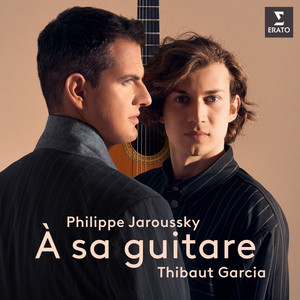 | Giordani / Transcr. Jacques: Caro mio ben (Formerly Attributed to Tommaso Giordani) | Giuseppe Giordani, Philippe Jaroussky, Thibaut García | C Major | 0 | 8B | 100 BPM | |
 | Scarlatti, A: Ombre tacite e sole: IV. Aria. "Allor d’intorno a te" | Alessandro Scarlatti, Philippe Jaroussky, Artaserse | F♯ Major | 3 | 2B | 124 BPM | |
 | Dowland: Second Book of Songs or Ayres: No. 3, Sorrow, Stay | John Dowland, Thomas Dunford, Lea Desandre, Jupiter | B Minor | 1 | 10A | 68 BPM | |
 | Great Mass in C Minor, K. 427: V. Agnus Dei: Agnus Dei | Wolfgang Amadeus Mozart, Traditional, Jordi Savall, Giulia Bolcato, Le Concert Des Nations | G Minor | 1 | 6A | 76 BPM | |
 | Handel: Giulio Cesare in Egitto, HWV 17, Act 1: Duetto. "Son nata a lagrimar" (Cornelia, Sesto) | George Frideric Handel, Nathalie Stutzmann, Orfeo 55 | D♭ Major | 2 | 3B | 120 BPM | |
 | Canente: Sombre déesse du silence | Antoine Dauvergne, Véronique Gens, Ensemble les Surprises, Louis-Noël Bestion de Camboulas | G Minor | 1 | 6A | 76 BPM | |
 | Lamento della Ninfa, SV 163: Amor, amor (Arr. for Soprano and Chamber Ensemble by Wolfgang Renz) | Claudio Monteverdi, Regula Mühlemann, CHAARTS Chamber Artists | A♭ Major | 2 | 4B | 61 BPM | |
 | Elevatio O miraculum! | Sébastien de Brossard, Sébastien Daucé, Ensemble Corrrespondances | C Major | 2 | 8B | 94 BPM | |
 | Vinci: Il farnace, Act 2: "Lascerò d'esser spietata" (Berenice) | Leonardo Vinci, Bruno de Sá, Francesco Corti, Il Pomo D'oro | D♭ Major | 2 | 3B | 104 BPM | |
 | Żebrowski: Magnificat: II. Quia respexit | Marcin Józef Żebrowski, Jakub Józef Orliński, Jan Tomasz Adamus, Capella Cracoviensis | E♭ Major | 1 | 5B | 80 BPM | |
 | San Giovanni Battista: Io per me non cangerei | Alessandro Stradella, Filippo Mineccia, Nereydas, Javier Ulises Illán | G Minor | 1 | 6A | 92 BPM | |
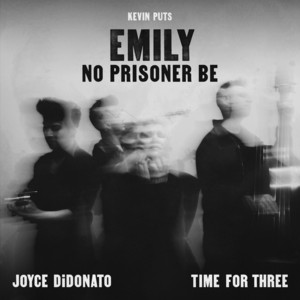 | Emily — No Prisoner Be: No. 2, I was the slightest in the House — | Kevin Puts, Time For Three, Joyce DiDonato | G Minor | 1 | 6A | 76 BPM | |
 | Gluck: Orfeo ed Euridice, Wq. 30, Act 1: "Ah! Se intorno a quest'urna funesta" (Reprise) [Coro] | Christoph Willibald Gluck, Philippe Jaroussky, Diego Fasolis, I Barocchisti | B Minor | 2 | 10A | 35 BPM | |
 | Le Berger fidèle, RCT 24: Air plaintif: Faut-il qu’Amarillis périsse? | Jean-Philippe Rameau, Hannah De Priest, Les Délices, Debra Nagy | G Minor | 1 | 6A | 76 BPM | |
| Gluck: Orfeo ed Euridice, Wq. 30, Act 1: "Ah! se intorno a quest'urna funesta" (Orfeo, Chorus) | Christoph Willibald Gluck, Philippe Jaroussky, Diego Fasolis, I Barocchisti | B Minor | 2 | 10A | 89 BPM | |
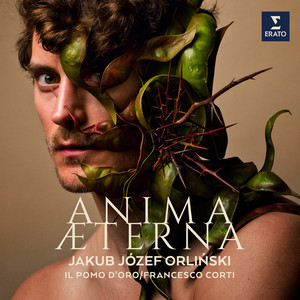 | Manna: Laudate pueri: IV. Gloria | Gennaro Manna, Jakub Józef Orliński, Il pomo d'oro Choir, Francesco Corti, Il Pomo D'oro | E Major | 2 | 12B | 80 BPM | |
 | Come again, sweet love doth now invite | John Dowland, Ruby Hughes, Jonas Nordberg | G Minor | 1 | 6A | 76 BPM | |
 | L'incoronazione di Poppea, SV 308: Pur ti miro - Arr. for Voice & Piano | Claudio Monteverdi, Théophile Alexandre, Guillaume Vincent, Chantal Santon Jeffery | G Major | 2 | 9B | 69 BPM | |
 | Fuggi da questo cielo "La Mantovana" | Giuseppino del Biado, Gwendoline Blondeel, Quito Gato, Pernelle Marzorati, Mathilde Vialle, Laurent Sauron | F♯ Major | 0 | 2B | 139 BPM | |
| Scarlatti, A: Ombre tacite e sole: I. Recitativo accompagnato. "Ombre tacite e sole" | Alessandro Scarlatti, Philippe Jaroussky, Artaserse | F♯ Major | 3 | 2B | 124 BPM | |
 | Habbi pietà di me | Antonia Bembo, Les Kapsber'girls | D♭ Minor | 0 | 12A | 74 BPM | |
 | Infirmata, vulnerata: III. Vulnera, percute | Alessandro Scarlatti, Paul Figuier, Les Accents, Thibault Noally | E Minor | 2 | 9A | 68 BPM | |
| Emily — No Prisoner Be: No. 4, Again — his voice is at the door | Kevin Puts, Time For Three, Joyce DiDonato | G Minor | 1 | 6A | 76 BPM |
- ISRC
- FR00W1700173
- Label
- L-M Records/RCA Records