- BPM
- 107
- Key
- E♭ Major
- Camelot
- 5B
Interlude 3, Promenade Theme by Modest Mussorgsky, Maksim Song Details
Modest Mussorgsky, Maksim's ' "Interlude 3, Promenade Theme" was released on its scheduled release date, October 1, 2014. With This song being less than a minute long, we are pretty confident that this song does not contain any foul language. That being said, this song is pretty short compared to other songs. The track order of this song in Maksim's "Mezzo E Mezzo" album is number 15 out of 22. On top of that, United Kingdom appears to be the country where this track was created. In terms of popularity, Interlude 3, Promenade Theme is currently unknown. The overall mood can be danceable to some, especially with it's high amount of postive energy.
BPM and Tempo
We consider the tempo marking of Interlude 3, Promenade Theme by Modest Mussorgsky, Maksim to be Andante (at a walking pace) because the track has a tempo of 107 BPM, a half-time of 54BPM, and a double-time of 214 BPM. Based on that, the speed of the song's tempo is slow. The time signature for this track is 4/4.
Music Key
This song is in the music key of E♭ Major. This also means that this song has a camelot key of 5B. So, the perfect camelot match for 5B would be either 5B or 6A. While, 6B can give you a low energy boost. For moderate energy boost, you would use 2B and a high energy boost can either be 7B or 12B. Though, if you want a low energy drop, you should looking for songs with either a camelot key of 5A or 4B will give you a low energy drop, 8B would be a moderate one, and 3B or 10B would be a high energy drop. Lastly, 2A allows you to change the mood.
Want to find the BPM and music key for other songs? Check out our BPM and Key Finder page!
- Popularity
- 0%
- Loudness
- -18.37 dB
- Acousticness
- 99%
- Danceability
- 49%
- Energy
- 30%
- Instrumentalness
- 91%
- Liveness
- 14%
- Loudness
- 69%
- Speechiness
- 5%
- Valence
- 64%
Recommendations
| Track | Artist | Key | Energy | Camelot | BPM | ||
|---|---|---|---|---|---|---|---|
 | Pictures at an Exhibition (Orch. Ravel): VIIIa. Catacombae "Sepulcrum romanum" | Modest Mussorgsky, Chicago Symphony Orchestra, Carlo Maria Giulini | B Minor | 0 | 10A | 67 BPM | |
 | Zdes' khorosho ('How Fair This Spot'), Op. 21, No. 7 | Sergei Rachmaninoff, Pablo Ferrandez, Denis Kozhukhin | A Major | 0 | 11B | 87 BPM | |
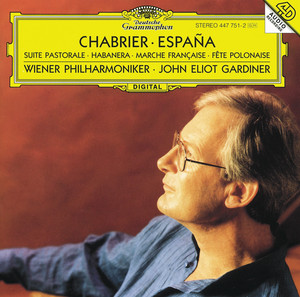 | Suite pastorale: I. Idylle | Emmanuel Chabrier, Wiener Philharmoniker, John Eliot Gardiner | F Major | 0 | 7B | 105 BPM | |
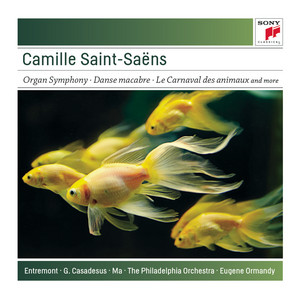 | Carnival of the Animals, R. 125: Aquarium | Camille Saint-Saëns, Philippe Entremont, Gaby Casadesus, Yo-Yo Ma, Michel Cerruti, Michel Cals, Régis Pasquier, Yan Pascal Tortelier, Gabin Lauridon, Gerard Causse, Alain Marion, Michel Arrignon | A Minor | 0 | 8A | 81 BPM | |
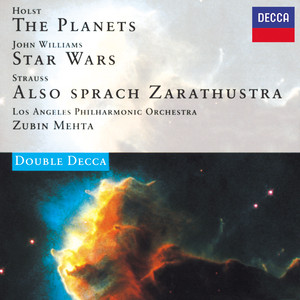 | The Planets, Op. 32: 2. Venus, the Bringer of Peace | Gustav Holst, Los Angeles Philharmonic, Zubin Mehta | F Minor | 0 | 4A | 88 BPM | |
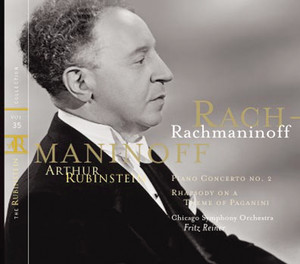 | Piano Concerto No. 2 in C Minor, Op. 18: I. Moderato | Sergei Rachmaninoff, Arthur Rubinstein, Fritz Reiner | C Minor | 1 | 5A | 71 BPM | |
 | Pictures at an Exhibition: The Old Castle | Modest Mussorgsky, Berliner Philharmoniker, Herbert von Karajan | D♭ Minor | 0 | 12A | 67 BPM | |
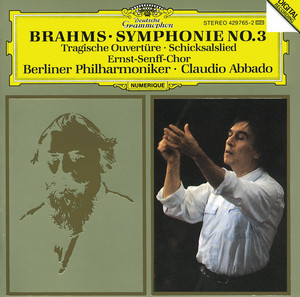 | Symphony No. 3 in F Major, Op. 90: IV. Allegro | Johannes Brahms, Berliner Philharmoniker, Claudio Abbado | C Major | 1 | 8B | 79 BPM | |
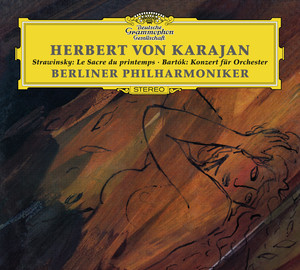 | Le Sacre du Printemps - Revised version for Orchestra (published 1947) / Part 1: The Adoration of the Earth: The Augurs of Spring: Dances of the Young Girls | Igor Stravinsky, Berliner Philharmoniker, Herbert von Karajan | A♭ Minor | 3 | 1A | 104 BPM | |
 | Also sprach Zarathustra, Op. 30, TrV 176: Das Tanzlied - Das Nachtlied | Richard Strauss, Michel Schwalbé, Berliner Philharmoniker, Herbert von Karajan | C Major | 2 | 8B | 100 BPM | |
 | Serenade for strings in E Minor, Op. 20 | Edward Elgar, Academy of St. Martin in the Fields, Sir Neville Marriner | E Minor | 1 | 9A | 81 BPM | |
 | Jeux d'enfants, Op. 22: No. 3, La poupée | Georges Bizet, Katia Labèque, Marielle Labèque | B Major | 0 | 1B | 64 BPM | |
 | Symphony No. 1, Op. 25 in D "Classical": Allegro con brio | Sergei Prokofiev, Yuri Temirkanov | E Minor | 0 | 9A | 99 BPM | |
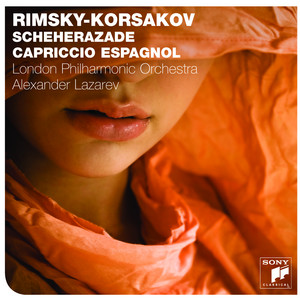 | Scheherazade: Calm - the triumph of Scheherazade | Nikolai Rimsky-Korsakov, Lars Hjalmar Joakim | E Minor | 0 | 9A | 68 BPM | |
 | Symphony No. 2 In C Minor - "Resurrection" / 1st Movement - Allegro maestoso (Totenfeier): Ausdrucksvoll (English horn & bass clarinet) | Gustav Mahler, Wiener Philharmoniker, Gilbert Kaplan | E Minor | 2 | 9A | 87 BPM | |
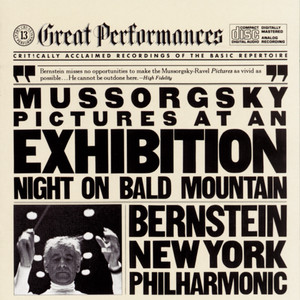 | Pictures at an Exhibition: IV. Bydlo | Modest Mussorgsky, Leonard Bernstein, New York Philharmonic | A Major | 0 | 11B | 92 BPM | |
 | Symphony No. 9 in C Major, D. 944 "The Great": III. Scherzo. Allegro vivace | Franz Schubert, Berliner Philharmoniker, Herbert von Karajan | A Major | 0 | 11B | 78 BPM | |
 | The Oceanides, Op. 73 | Jean Sibelius, Thomas Søndergård, BBC National Orchestra Of Wales | G Major | 0 | 9B | 70 BPM | |
 | Polovetsian Dances from Prince Igor: Introduzione | Alexander Borodin, George Szell, The Cleveland Orchestra | A Major | 1 | 11B | 83 BPM | |
 | Spartacus: Scene of the Gaditanae Maidens | Aram Khachaturian, Wiener Philharmoniker | C Major | 5 | 8B | 74 BPM | |
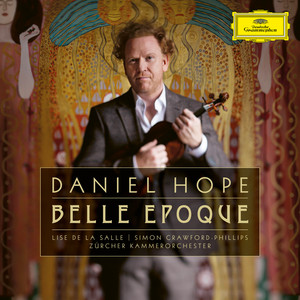 | Notturno for Strings and Harp | Arnold Schoenberg, Daniel Hope, Zürcher Kammerorchester, Jane Berthe | A♭ Major | 1 | 4B | 75 BPM | |
 | Gayane Suite No. 3: I. The Hunt - Andante | Aram Khachaturian, St. Petersburg State Symphony Orchestra, Andre Anichanov | D Major | 2 | 10B | 92 BPM | |
 | Symphony No.3: Movement IV | Philip Glass, Dennis Russell Davies, Stuttgart Chamber Orchestra | C Minor | 3 | 5A | 81 BPM | |
| Suite pastorale: II. Danse villageoise | Emmanuel Chabrier, Wiener Philharmoniker, John Eliot Gardiner | A Major | 1 | 11B | 126 BPM | |
 | Rachmaninov: Symphony No. 3 in A Minor, Op. 44: II. Adagio ma non troppo - Allegro vivace | Sergei Rachmaninoff, Mariss Jansons, St. Petersburg Philharmonic Orchestra | E♭ Minor | 0 | 2A | 117 BPM |
- ISRC
- GBQT41400029
- Label
- L-M Records/RCA Records