- BPM
- 86
- Key
- C Major
- Camelot
- 8B
Du bist die Ruh, D. 776 (Orch. Max Reger) by Franz Schubert, Friedrich Rückert, Max Reger, Adelaide Symphony Orchestra, Michael Lewis, David Porcelijn Song Details
"Du bist die Ruh, D. 776 (Orch. Max Reger)" by Franz Schubert, Friedrich Rückert, Max Reger, Adelaide Symphony Orchestra, Michael Lewis, David Porcelijn had its release date on October 16, 2006. With this song being about 5 minutes long, at This song is fairly a long song compared to the average song length. This song does not have an "Explicit" tag, making it safe for all ages. There are a total of 16 in the song's album "Notturno: The Timeless Music of Schubert". In this album, this song's track order is #8. Furthermore, we believe that the track originated from Australia. Du bist die Ruh, D. 776 (Orch. Max Reger) is unknown right now. In our opinion, the overall tone is not very danceable and projects negative sounds, such as being sad, depressed, or angry.
BPM and Tempo
With Du bist die Ruh, D. 776 (Orch. Max Reger) by Franz Schubert, Friedrich Rückert, Max Reger, Adelaide Symphony Orchestra, Michael Lewis, David Porcelijn having a BPM of 86 with a half-time of 43 BPM and a double-time of 172 BPM, we would consider this track to have a Andante (at a walking pace) tempo marking. Because of this, we believe that the song has an overall slow tempo. Looking at the BPM of this song, this song might go great with yoga or pilates. The time signature for this track is 4/4.
Music Key
C Major is the music key of this track. This also means that this song has a camelot key of 8B. So, the perfect camelot match for 8B would be either 8B or 9A. While, 9B can give you a low energy boost. For moderate energy boost, you would use 5B and a high energy boost can either be 10B or 3B. Though, if you want a low energy drop, you should looking for songs with either a camelot key of 8A or 7B will give you a low energy drop, 11B would be a moderate one, and 6B or 1B would be a high energy drop. Lastly, 5A allows you to change the mood.
Want to find the BPM and music key for other songs? Check out our BPM and Key Finder page!
- Popularity
- 0%
- Loudness
- -21.856 dB
- Acousticness
- 99%
- Danceability
- 10%
- Energy
- 9%
- Instrumentalness
- 83%
- Liveness
- 9%
- Loudness
- 64%
- Speechiness
- 4%
- Valence
- 4%
Recommendations
| Track | Artist | Key | Energy | Camelot | BPM | ||
|---|---|---|---|---|---|---|---|
 | Ständchen (From Schwanengesang, D957) | Franz Liszt, Evgeny Kissin | D Major | 0 | 10B | 68 BPM | |
 | Forgotten Melodies I, Op. 38: No. 6; Canzona Serenata | Nikolai Medtner, Dmitry Shishkin | B Major | 0 | 1B | 69 BPM | |
 | Fauré: Pavane, Op. 50 | Gabriel Fauré, San Francisco Symphony, Michael Tilson Thomas | F♯ Minor | 0 | 11A | 62 BPM | |
 | Piano Concerto No. 21 in C Major, K. 467: II. Andante | Wolfgang Amadeus Mozart, London Mozart Players, Howard Shelley | F Major | 0 | 7B | 179 BPM | |
 | Scarlatti, D: Keyboard Sonata in D Minor, Kk. 141 | Martha Argerich | F♯ Major | 3 | 2B | 104 BPM | |
 | Lyric Pieces Book I, Op. 12: No. 7 Album Leaf | Edvard Grieg, Alice Sara Ott | D Major | 2 | 10B | 121 BPM | |
 | Violin Concerto in C Major, Hob. VIIa:1: II. Adagio | Joseph Haydn, Augustin Hadelich, Kolner Kammerorchester, Helmut Müller-Brühl | F Major | 1 | 7B | 61 BPM | |
 | Symphony No. 5 In C Sharp Minor: 4. Adagietto (Sehr langsam) | Gustav Mahler, Gyeonggi Philharmonic Orchestra, Shi-Yeon Sung | F Major | 0 | 7B | 82 BPM | |
 | Rachmaninov: 10 Preludes, Op. 23: No. 5 in G Minor | Sergei Rachmaninoff, Nikolai Lugansky | G Minor | 1 | 6A | 113 BPM | |
 | Lieder ohne Worte I, Op. 19b: VI. Andante sostenuto "Venetian Gondola Song", MWV U78 (Arr. Ottensamer for Clarinet & Strings) | Felix Mendelssohn, Andreas Ottensamer, Schumann Quartett, Gunars Upatnieks | G Minor | 0 | 6A | 84 BPM | |
 | Adagio in E-Flat Major | Fanny Mendelssohn, Heather Schmidt | E♭ Minor | 0 | 2A | 90 BPM | |
 | String Quartet No. 12 in F major, Op. 96 - "American" B.179: 2. Lento | Antonín Dvořák, Hagen Quartett | D Minor | 1 | 7A | 88 BPM | |
 | Serenade for Strings in E Major, Op. 22, B. 52: II. Tempo di valse | Antonín Dvořák, Prague Chamber Orchestra, Petr Skvor | A Major | 1 | 11B | 0 BPM | |
 | 24 Preludes and Fugues, Op. 87: Fugue No. 7 in A Major | Dmitri Shostakovich, Igor Levit | A Major | 0 | 11B | 97 BPM | |
 | Carnaval, Op. 9: XII. Chopin | Robert Schumann, Daniil Trifonov | E Major | 0 | 12B | 68 BPM | |
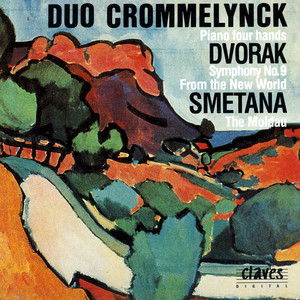 | Má vlast: Vltava (The Moldau). Allegro commodo, non agitato | Bedřich Smetana, Duo Crommelynck | E Minor | 1 | 9A | 110 BPM | |
 | Ellens Gesang III (Ave Maria), S558 no.12 (after Schubert’s D839) | Franz Liszt, Franz Schubert, Valentina Lisitsa | F♯ Major | 4 | 2B | 96 BPM | |
| Serenade for Strings in E Major, Op. 22, B. 52: I. Moderato | Antonín Dvořák, Prague Chamber Orchestra, Petr Skvor | E Major | 1 | 12B | 83 BPM | |
 | Bach, JS : Well-Tempered Clavier Book 1 : Prelude No.8 in E flat minor BWV853 | Daniel Barenboim | A♭ Minor | 0 | 1A | 70 BPM | |
 | 6 Impromptus, Op. 5: Impromptu VI | Jean Sibelius, Leif Ove Andsnes | E Major | 0 | 12B | 62 BPM | |
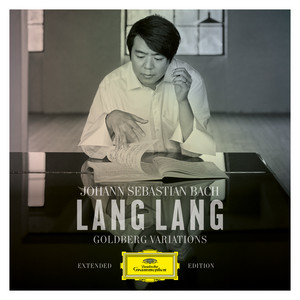 | Goldberg Variations, BWV 988: Aria | Johann Sebastian Bach, Lang Lang | G Major | 0 | 9B | 76 BPM | |
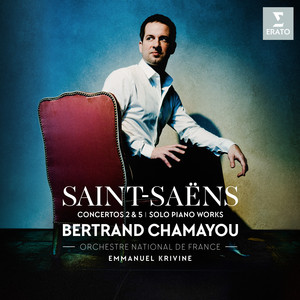 | Saint-Saëns: Piano Concerto No. 2 in G Minor, Op. 22: I. Andante sostenuto | Camille Saint-Saëns, Bertrand Chamayou, Emmanuel Krivine, Orchestre National De France | G Minor | 2 | 6A | 94 BPM | |
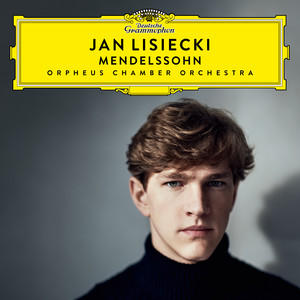 | Lieder ohne Worte, Op. 19: No. 6 in G Minor (Andante sostenuto) "Venetian Gondola Song", MWV U78 | Felix Mendelssohn, Jan Lisiecki | G Minor | 0 | 6A | 168 BPM | |
 | Gottes Zeit ist die allerbeste Zeit, BWV 106 "Actus tragicus": I. Sonatina | Johann Sebastian Bach, Márta Kurtág, György Kurtág | F Major | 3 | 7B | 102 BPM | |
 | Piano Sonata No. 8 In C Minor, Op. 13 -"Pathétique": 2. Adagio cantabile - Live | Ludwig van Beethoven, András Schiff | A♭ Major | 0 | 4B | 181 BPM |
- ISRC
- AUAB09750135
- Label
- L-M Records/RCA Records