- BPM
- 126
- Key
- E♭ Major
- Camelot
- 5B
6 Lieder aus "Jucunde" von Hermann Rollett, Op. 23: VI. O Lust, O Lust by Clara Schumann, Double Image Song Details
"6 Lieder aus "Jucunde" von Hermann Rollett, Op. 23: VI. O Lust, O Lust" by Clara Schumann, Double Image had its release date on 1996. The duration of This song is about two minutes long, specifically at 2:17. This song does not appear to have any foul language. 6 Lieder aus "Jucunde" von Hermann Rollett, Op. 23: VI. O Lust, O Lust's duration is considered a little bit shorter than the average duration of a typical track. There are a total of 24 in the song's album "Secret Whispers - Double Image Pays Homage to Clara Schumann". In this album, this song's track order is #6. Furthermore, we believe that the track originated from United Kingdom. Based on our statistics, 6 Lieder aus "Jucunde" von Hermann Rollett, Op. 23: VI. O Lust, O Lust's popularity is unknown right now. Although the tone can be danceable to some, this track does projects more of a negative sound rather than a postive one.
BPM and Tempo
With 6 Lieder aus "Jucunde" von Hermann Rollett, Op. 23: VI. O Lust, O Lust by Clara Schumann, Double Image having a BPM of 126 with a half-time of 63 BPM and a double-time of 252 BPM, we would consider this track to have a Allegro (fast, quick, and bright) tempo marking. Because of this, we believe that the song has an overall fast tempo. Looking at the BPM of this song, this song might go great with walking. The time signature for this track is 4/4.
Music Key
E♭ Major is the music key of this track. Or for those who are familiar with the camelot wheel, this song has a camelot key of 5B. So, the perfect camelot match for 5B would be either 5B or 6A. While, 6B can give you a low energy boost. For moderate energy boost, you would use 2B and a high energy boost can either be 7B or 12B. Though, if you want a low energy drop, you should looking for songs with either a camelot key of 5A or 4B will give you a low energy drop, 8B would be a moderate one, and 3B or 10B would be a high energy drop. Lastly, 2A allows you to change the mood.
Want to find the BPM and music key for other songs? Check out our BPM and Key Finder page!
- Popularity
- 0%
- Loudness
- -19.711 dB
- Acousticness
- 99%
- Danceability
- 40%
- Energy
- 10%
- Instrumentalness
- 0%
- Liveness
- 12%
- Loudness
- 67%
- Speechiness
- 6%
- Valence
- 16%
Recommendations
| Track | Artist | Key | Energy | Camelot | BPM | ||
|---|---|---|---|---|---|---|---|
 | Pelléas et Mélisande Suite, Op. 80: III. Sicilienne. Allegretto molto moderato | Gabriel Fauré, Berliner Philharmoniker, Daniel Barenboim | E♭ Major | 0 | 5B | 56 BPM | |
 | Soirées musicales, Op. 6: IV. Ballade | Clara Schumann, Veronica Jochum | D Minor | 0 | 7A | 113 BPM | |
 | Adagio in F, H.XVII No. 9 | Joseph Haydn, Alfred Brendel | F Major | 0 | 7B | 71 BPM | |
 | Capriccio brillant, Op. 22: Andante | Felix Mendelssohn, Matthias Kirschnereit, Michael Sanderling, Frankfurt Radio Symphony Orchestra | B Major | 0 | 1B | 91 BPM | |
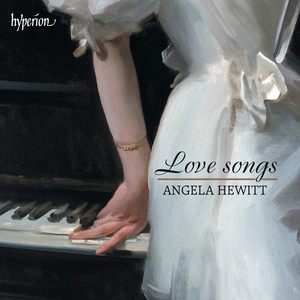 | Bist du bei mir (Arr. Hewitt, Formerly Attrib. Bach as BWV 508) | Gottfried Heinrich Stölzel, Angela Hewitt | E♭ Major | 0 | 5B | 64 BPM | |
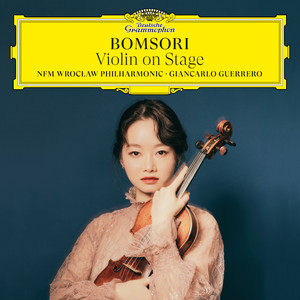 | Thaïs: Méditation | Jules Massenet, Bomsori, NFM Wrocław Philharmonic, Giancarlo Guerrero | D Major | 0 | 10B | 84 BPM | |
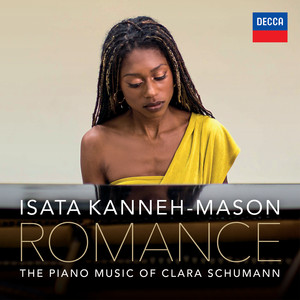 | 3 Romances, Op. 22: 3. Leidenschaftlich schnell | Clara Schumann, Elena Urioste, Isata Kanneh-Mason | G Major | 1 | 9B | 89 BPM | |
 | Suite No. 3, P. 172: I. Italiana: Andantino | Ottorino Respighi, RTÉ National Symphony Orchestra | B♭ Major | 1 | 6B | 94 BPM | |
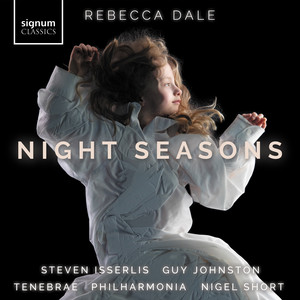 | There Will Come | Rebecca Dale, Philharmonia Orchestra, Michael Collins, Steven Isserlis | B♭ Major | 1 | 6B | 67 BPM | |
 | Liszt: 12 Lieder von Franz Schubert, S. 558: No. 7, Frühlingsglaube | Franz Liszt, Aimi Kobayashi | A♭ Major | 0 | 4B | 68 BPM | |
 | Schumann, Clara: Piano Concerto No. 1 in A Minor, Op. 7: II. Romanze (Andante non troppo con grazia) | Clara Schumann, Beatrice Rana, Chamber Orchestra of Europe, Yannick Nézet-Séguin | A♭ Major | 0 | 4B | 100 BPM | |
 | Nocturne | Lili Boulanger, Juliette Hurel, Hélène Couvert | F Major | 0 | 7B | 62 BPM | |
 | Abendlied, Op. 85, No. 12 (Arr. for String Orchestra by Johan Svendsen) | Robert Schumann, Lucerne Festival Strings, Daniel Dodds | B Major | 1 | 1B | 113 BPM | |
 | Orphée - Arr. for Piano duet / Act 1: III. La chambre d'Orphée | Philip Glass, Katia Labèque, Marielle Labèque | F Minor | 0 | 4A | 137 BPM | |
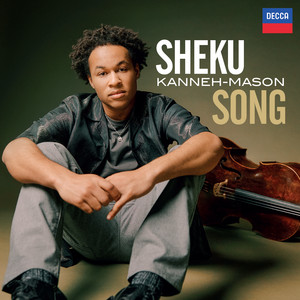 | Savior of the Nations, Come, BWV 659 (Arr. for 4 Cellos) | Johann Sebastian Bach, Sheku Kanneh-Mason, Hannah Roberts, Ben Davies, Max Ruisi | C Major | 0 | 8B | 122 BPM | |
 | wind whispers, Op. 85: II. floating leaf | Konstantia Gourzi, William Youn | F Major | 0 | 7B | 69 BPM | |
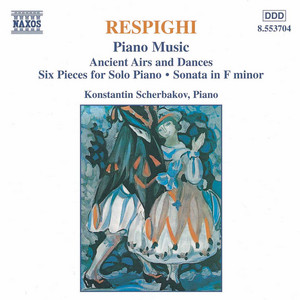 | Antiche Danze Ed Arie Per Liuto (Ancient Airs And Dances), P. 114: II. Villanella (Quadro III | Ottorino Respighi, Konstantin Scherbakov | B Minor | 0 | 10A | 136 BPM | |
 | Adagio in E-Flat Major | Fanny Mendelssohn, Heather Schmidt | E♭ Minor | 0 | 2A | 90 BPM | |
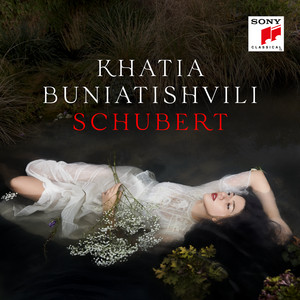 | Ständchen, S. 560 (Trans. from Schwanengesang No. 4, D. 957) | Franz Schubert, Franz Liszt, Khatia Buniatishvili | D Major | 0 | 10B | 67 BPM | |
 | Melody from « Orfeo » | Christoph Willibald Gluck, Roberto Giordano | G Minor | 2 | 6A | 115 BPM | |
 | Ancient Airs & Dances, Suite III, P. 172: I. Italiana (Anonymous) | Ottorino Respighi, Filarmonica della Scala, Riccardo Chailly | B♭ Major | 1 | 6B | 172 BPM | |
 | Chants du Rhin, WD 52: Les rêves | Georges Bizet, Nathanaël Gouin | D♭ Major | 0 | 3B | 65 BPM | |
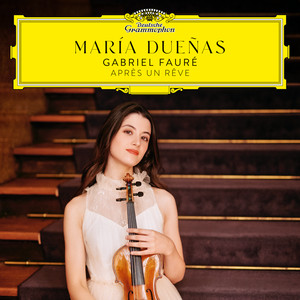 | 3 Songs, Op. 7: I. Après un rêve (Version for Violin and Piano) | Gabriel Fauré, María Dueñas, Itamar Golan | D Major | 1 | 10B | 87 BPM | |
 | 3 Pieces in Old Style: No. 1, Aria | Krzysztof Penderecki, Warsaw Philharmonic Chamber Orchestra, Antoni Wit | B♭ Major | 0 | 6B | 75 BPM | |
 | Massenet: Élégie (Version for Cello and Piano) | Jules Massenet, Edgar Moreau, Pierre-Yves Hodique | E Minor | 0 | 9A | 73 BPM |
- ISRC
- GBABV0710354
- Label
- L-M Records/RCA Records