- BPM
- 77
- Key
- D Major
- Camelot
- 10B
The Nutcracker, Op. 71, Pt. 2: XXI. Pas de deux. Coda by Pyotr Ilyich Tchaikovsky, Royal Philharmonic Orchestra, David Maninov Song Details
Pyotr Ilyich Tchaikovsky, Royal Philharmonic Orchestra, David Maninov's ' "The Nutcracker, Op. 71, Pt. 2: XXI. Pas de deux. Coda" was released on its scheduled release date, 2010. With This song being less than two minutes long, at 1:25, we are fairly confident that this song is not explicit and is safe for all ages. Based on the duration of this song, this song duration is much smaller than the average song duration. There are a total of 108 in the song's album "Tchaikovsky: Complete Ballets". In this album, this song's track order is #107. Furthermore, we believe that the track originated from Netherlands. The Nutcracker, Op. 71, Pt. 2: XXI. Pas de deux. Coda is not that popular right now. Based on the vibe, this track doesn't seem to be that danceable, however its valence properties can make this some somewhat danceable.
BPM and Tempo
With The Nutcracker, Op. 71, Pt. 2: XXI. Pas de deux. Coda by Pyotr Ilyich Tchaikovsky, Royal Philharmonic Orchestra, David Maninov having a BPM of 77 with a half-time of 38 BPM and a double-time of 154 BPM, we would consider this track to have a Andante (at a walking pace) tempo marking. Because of this, we believe that the song has an overall slow tempo. The time signature for this track is 4/4.
Music Key
This song has a musical key of D Major. Or for those who are familiar with the camelot wheel, this song has a camelot key of 10B. So, the perfect camelot match for 10B would be either 10B or 11A. While, 11B can give you a low energy boost. For moderate energy boost, you would use 7B and a high energy boost can either be 12B or 5B. Though, if you want a low energy drop, you should looking for songs with either a camelot key of 10A or 9B will give you a low energy drop, 1B would be a moderate one, and 8B or 3B would be a high energy drop. Lastly, 7A allows you to change the mood.
Want to find the BPM and music key for other songs? Check out our BPM and Key Finder page!
- Popularity
- 4%
- Loudness
- -21.518 dB
- Acousticness
- 94%
- Danceability
- 24%
- Energy
- 23%
- Instrumentalness
- 89%
- Liveness
- 7%
- Loudness
- 64%
- Speechiness
- 4%
- Valence
- 46%
Recommendations
| Track | Artist | Key | Energy | Camelot | BPM | ||
|---|---|---|---|---|---|---|---|
 | Souvenir d'un lieu cher, Op. 42: 3. Mélodie | Pyotr Ilyich Tchaikovsky, Janine Jansen, Mahler Chamber Orchestra, Daniel Harding | E♭ Major | 0 | 5B | 99 BPM | |
 | Ruslan and Lyudmila, Op. 5, Overture | Mikhail Glinka, Alexander Vedernikov, Bolshoi Theatre Orchestra | E Minor | 1 | 9A | 151 BPM | |
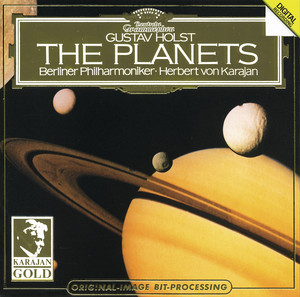 | The Planets, Op. 32: 3. Mercury, the Winged Messenger | Gustav Holst, Berliner Philharmoniker, Herbert von Karajan | A Major | 1 | 11B | 108 BPM | |
 | Tchaikovsky: Symphony No. 3 in D Major, Op. 29 "Polish": II. Alla tedesca. Allegro moderato e semplice | Pyotr Ilyich Tchaikovsky, Philharmonia Orchestra, Riccardo Muti | G Minor | 2 | 6A | 129 BPM | |
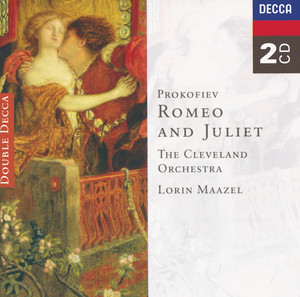 | Romeo and Juliet, Op. 64 - Act 1: The Young Juliet | Sergei Prokofiev, The Cleveland Orchestra, Lorin Maazel | F Major | 0 | 7B | 83 BPM | |
 | The Sleeping Beauty, Op. 66, Act I: No. 6, Valse "Garland Dance" | Pyotr Ilyich Tchaikovsky, Royal Concertgebouw Orchestra, Antal Doráti | B♭ Major | 2 | 6B | 102 BPM | |
 | Strauss Jr., J.: Frühlingsstimmen, Op. 410 (Excerpt) | Johann Strauss II, Wiener Johann Strauss Orchester, Willi Boskovsky | B♭ Major | 1 | 6B | 112 BPM | |
 | Waltzes, Op. 64, B. 164: No. 1 in D-Flat Major "Minute Waltz" | Frédéric Chopin, Vittorio Forte | G Minor | 0 | 6A | 77 BPM | |
 | A Midsummer Night's Dream, Incidental Music, Op.61, MWV M 13: No.1 Scherzo | Felix Mendelssohn, Judi Dench, Boston Symphony Orchestra, Seiji Ozawa | G Minor | 2 | 6A | 123 BPM | |
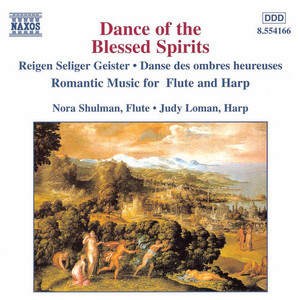 | Sicilienne, Op. 78 (arr. for flute and harp) | Donald Sosin, Gabriel Fauré, Nora Shulman, Judy Loman | B♭ Major | 1 | 6B | 153 BPM | |
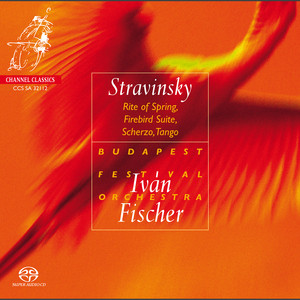 | L'oiseau de feu, K. 10. Suite 1919: V. Danse infernale du roi Kastchei | Igor Stravinsky, Budapest Festival Orchestra, Iván Fischer | C Major | 5 | 8B | 130 BPM | |
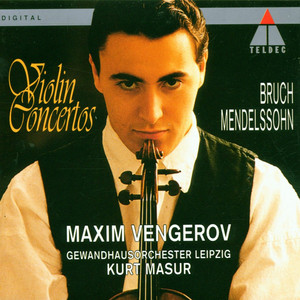 | Bruch : Violin Concerto No.1 in G minor Op.26 : III Finale - Allegro energico | Max Bruch, Maxim Vengerov, Kurt Masur, Gewandhausorchester Leipzig | G Major | 2 | 9B | 90 BPM | |
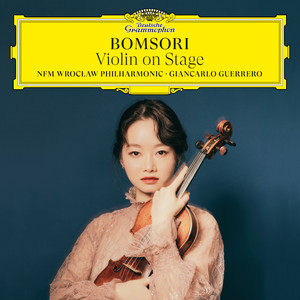 | Thaïs: Méditation | Jules Massenet, Bomsori, NFM Wrocław Philharmonic, Giancarlo Guerrero | D Major | 0 | 10B | 84 BPM | |
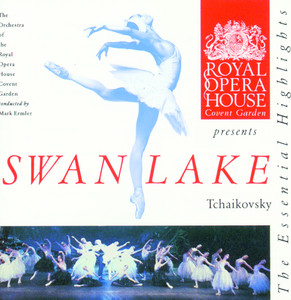 | Swan Lake, Op. 20: Op. 20: Act IV No. 29, Scène Finale | Pyotr Ilyich Tchaikovsky, Orchestra of the Royal Opera House, Covent Garden, Mark Ermler | B Major | 4 | 1B | 113 BPM | |
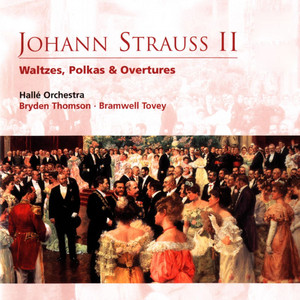 | Strauss: Radetzky March, Op. 228 | Johann Strauss I, Hallé, Bramwell Tovey | A Major | 4 | 11B | 122 BPM | |
 | Handel / Orch. Hale: Keyboard Suite No. 4 in D Minor, HWV 437: III. Sarabande | George Frideric Handel, Alexander Briger, Academy of St. Martin in the Fields | D Minor | 0 | 7A | 116 BPM | |
 | Symphony No. 25 in G Minor, K. 183: I. Allegro con brio | Wolfgang Amadeus Mozart, Academy of St. Martin in the Fields, Sir Neville Marriner | G Minor | 2 | 6A | 80 BPM | |
 | Le roi s'amuse: Passepied | Léo Delibes, Slovak Philharmonic, Ondrej Lenard | A Major | 1 | 11B | 88 BPM | |
| The Planets, Op. 32: 4. Jupiter, the Bringer of Jollity | Gustav Holst, Berliner Philharmoniker, Herbert von Karajan | G Minor | 3 | 6A | 140 BPM | |
 | Finlandia, Op. 26 | Jean Sibelius, Berliner Philharmoniker, Herbert von Karajan | A♭ Major | 3 | 4B | 67 BPM | |
 | Coppelia: Act I - Valse | Léo Delibes, Slovak Radio Symphony Orchestra, Andrew Mogrelia | E♭ Major | 0 | 5B | 89 BPM | |
 | Gold Und Silber (Gold And Silver), Op. 79 | Slovak Radio Symphony Orchestra, Franz Lehár | C Major | 1 | 8B | 81 BPM | |
 | Orchestral Suite No. 3 in D Major, BWV 1068: II. Air "on the G String" | Johann Sebastian Bach, David Bell, Berliner Philharmoniker, Herbert von Karajan | D Major | 1 | 10B | 113 BPM | |
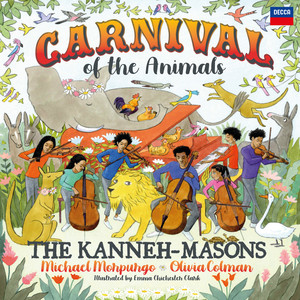 | Carnival of the Animals: Aquarium | Camille Saint-Saëns, Isata Kanneh-Mason, Konya Kanneh-Mason, Braimah Kanneh-Mason, Ayla Sahin, Timothy Ridout, Sheku Kanneh-Mason, Adam Walker, Alasdair Malloy | A Minor | 0 | 8A | 70 BPM | |
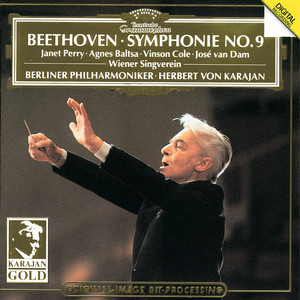 | Symphony No.9 In D Minor, Op.125 - "Choral" - Excerpt From 4th Movement: 4. Presto | Ludwig van Beethoven, Berliner Philharmoniker, Herbert von Karajan | D Major | 1 | 10B | 74 BPM |
- ISRC
- NLY331412716
- Label
- L-M Records/RCA Records