- BPM
- 106
- Key
- A Major
- Camelot
- 11B
Rhapsody on a Theme of Paganini, Op. 43: Var. 17, (Allegretto) by Sergei Rachmaninoff, Dubravka Tomšič, Ljubljana Symphony Orchestra, Anton Nanut Song Details
"Rhapsody on a Theme of Paganini, Op. 43: Var. 17, (Allegretto)" by Sergei Rachmaninoff, Dubravka Tomšič, Ljubljana Symphony Orchestra, Anton Nanut had its release date on March 22, 2024. With This song being less than two minutes long, at 1:59, we are fairly confident that this song is not explicit and is safe for all ages. Based on the duration of this song, this song duration is much smaller than the average song duration. There are a total of 29 in the song's album "Paganini: Violin Concerto No. 2 & Rachmaninov: Rhapsody on a Theme of Paganini". In this album, this song's track order is #22. Furthermore, we believe that the track originated from Hong Kong. In terms of popularity, Rhapsody on a Theme of Paganini, Op. 43: Var. 17, (Allegretto) is currently unknown. Although the tone can be danceable to some, this track does projects more of a negative sound rather than a postive one.
BPM and Tempo
With Rhapsody on a Theme of Paganini, Op. 43: Var. 17, (Allegretto) by Sergei Rachmaninoff, Dubravka Tomšič, Ljubljana Symphony Orchestra, Anton Nanut having a BPM of 106 with a half-time of 53 BPM and a double-time of 212 BPM, we would consider this track to have a Andante (at a walking pace) tempo marking. Because of this, we believe that the song has an overall slow tempo. The time signature for this track is 3/4.
Music Key
This song has a musical key of A Major. Or for those who are familiar with the camelot wheel, this song has a camelot key of 11B. So, the perfect camelot match for 11B would be either 11B or 12A. While, 12B can give you a low energy boost. For moderate energy boost, you would use 8B and a high energy boost can either be 1B or 6B. Though, if you want a low energy drop, you should looking for songs with either a camelot key of 11A or 10B will give you a low energy drop, 2B would be a moderate one, and 9B or 4B would be a high energy drop. Lastly, 8A allows you to change the mood.
Want to find the BPM and music key for other songs? Check out our BPM and Key Finder page!
- Popularity
- 0%
- Loudness
- -16.871 dB
- Acousticness
- 91%
- Danceability
- 48%
- Energy
- 31%
- Instrumentalness
- 74%
- Liveness
- 9%
- Loudness
- 72%
- Speechiness
- 5%
- Valence
- 9%
Recommendations
| Track | Artist | Key | Energy | Camelot | BPM | ||
|---|---|---|---|---|---|---|---|
 | 24 Preludes, Op. 11: No. 11 in B Major | Alexander Scriabin, Evgeny Zarafiants | B Major | 0 | 1B | 72 BPM | |
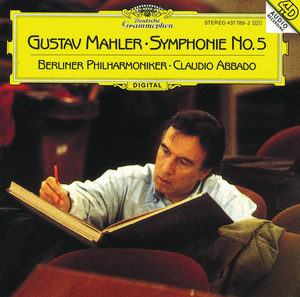 | Symphony No. 5: IV. Adagietto. Sehr langsam | Gustav Mahler, Berliner Philharmoniker, Claudio Abbado | F Major | 0 | 7B | 91 BPM | |
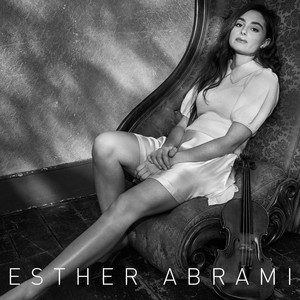 | Three Romances for Violin and Piano, Op. 22: I. Andante molto | Clara Schumann, Esther Abrami, Iyad Sughayer | D♭ Major | 2 | 3B | 81 BPM | |
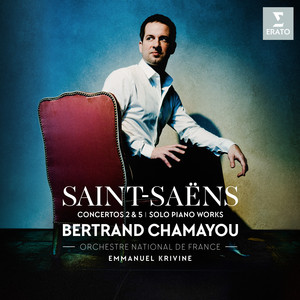 | Saint-Saëns: Piano Concerto No. 2 in G Minor, Op. 22: I. Andante sostenuto | Camille Saint-Saëns, Bertrand Chamayou, Emmanuel Krivine, Orchestre National De France | G Minor | 2 | 6A | 94 BPM | |
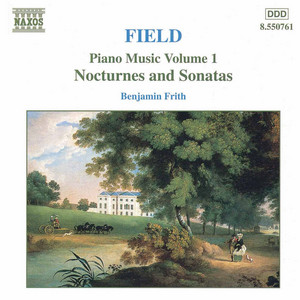 | Nocturne No. 2 in C Minor, H. 25 | John Field, Benjamin Frith | C Minor | 0 | 5A | 98 BPM | |
 | Piano Concerto No. 1 in C Minor, Op 33: I. Allegro | Nikolai Medtner, Geoffrey Tozer, Neeme Järvi, London Philharmonic Orchestra | G Major | 2 | 9B | 79 BPM | |
 | 3 Romances sans paroles, Op. 17: No. 3 in A-Flat Major (Arr. P. Gouin for Cello & Piano) | Gabriel Fauré, Jesper Svedberg, Simon Crawford-Phillips | A Major | 0 | 11B | 79 BPM | |
 | Kinderszenen, Op. 15: No. 1, Von fremden Ländern und Menschen | Robert Schumann, Vladimir Horowitz | G Major | 0 | 9B | 70 BPM | |
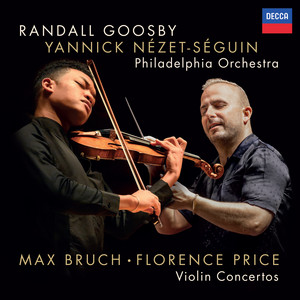 | Adoration (Arr. Gray for Violin & Orchestra) | Florence Beatrice Price, Randall Goosby, Philadelphia Orchestra, Yannick Nézet-Séguin | D Major | 3 | 10B | 74 BPM | |
 | Nocturnes, Op. 27: No. 2 in D-Flat Major | Frédéric Chopin, Arthur Rubinstein | D♭ Major | 0 | 3B | 77 BPM | |
 | Symphony No. 1 in D Major: 2. Kräftig bewegt - Live | Gustav Mahler, Berliner Philharmoniker, Claudio Abbado | A Major | 1 | 11B | 96 BPM | |
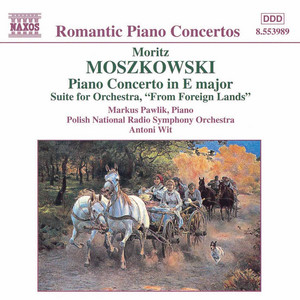 | Piano Concerto in E Major, Op. 59: II. Andante | Moritz Moszkowski, Markus Pawlik, Polish National Radio Symphony Orchestra, Antoni Wit | D♭ Minor | 0 | 12A | 78 BPM | |
 | Rêverie, L. 68 | Claude Debussy, François-Joël Thiollier | F Major | 0 | 7B | 69 BPM | |
 | Piano Concerto No. 1 in F-Sharp Minor, Op. 1: II. Andante | Sergei Rachmaninoff, Vladimir Ashkenazy, Royal Concertgebouw Orchestra, Bernard Haitink | A Major | 0 | 11B | 69 BPM | |
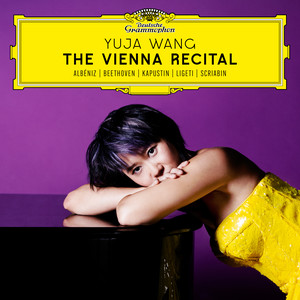 | Orfeo ed Euridice, Wq. 30: Melodie dell'Orfeo (Arr. Sgambati for Piano) | Yuja Wang | D♭ Minor | 1 | 12A | 80 BPM | |
 | Sonata In G Minor For Cello & Piano, Op. 19: 3. Andante | Sergei Rachmaninoff, Alisa Weilerstein, Inon Barnatan | F Major | 2 | 7B | 82 BPM | |
 | Andante spianato | Frédéric Chopin, Eldar Nebolsin, Warsaw Philharmonic Orchestra, Antoni Wit | E Minor | 2 | 9A | 66 BPM | |
 | Salut d'amour, Op. 12 (version for orchestra) | Edward Elgar, Slovak Radio Symphony Orchestra, Adrian Leaper | B♭ Major | 1 | 6B | 82 BPM | |
 | Carmen Variations | Vladimir Horowitz | E Major | 2 | 12B | 148 BPM | |
| Aus aller Herren Landern (From Foreign Lands), Op. 23: V. Polish: Allegro con fuoco | Moritz Moszkowski, Markus Pawlik, Polish National Radio Symphony Orchestra, Antoni Wit | B♭ Major | 1 | 6B | 82 BPM | |
 | Enigma Variations, Op. 36: Var. 1. L'istesso tempo "C.A.E." | Edward Elgar, BBC Symphony Orchestra, Leonard Bernstein | G Minor | 0 | 6A | 81 BPM | |
 | Spartacus: Adagio of Spartacus and Phrygia | Aram Khachaturian, Wiener Philharmoniker | A♭ Major | 1 | 4B | 129 BPM | |
 | Après un Rêve Op.7, No.1 | Gabriel Fauré, Jules Eskin, Boston Symphony Orchestra, Seiji Ozawa | F Minor | 1 | 4A | 96 BPM | |
 | Sicilienne, Op. 78 | Gabriel Fauré, Harriet Krijgh, Kamilla Isanbaeva | G Minor | 1 | 6A | 123 BPM | |
 | Ravel: Sonatine, M. 40: I. Modéré | Maurice Ravel, Bertrand Chamayou | F♯ Minor | 1 | 11A | 67 BPM |
- ISRC
- HKI192402366
- Label
- L-M Records/RCA Records