- BPM
- 72
- Key
- A♭ Major
- Camelot
- 4B
Variations on a Theme by Haydn, Op. 56a: Theme: "Chorale St. Antoni" by Johannes Brahms, London Symphony Orchestra, Eugen Jochum Song Details
"Variations on a Theme by Haydn, Op. 56a: Theme: "Chorale St. Antoni"" by Johannes Brahms, London Symphony Orchestra, Eugen Jochum had its release date on January 1, 1975. With This song being less than two minutes long, at 1:47, we are fairly confident that this song is not explicit and is safe for all ages. Based on the duration of this song, this song duration is much smaller than the average song duration. The song is number 16 out of 25 in Elgar: Variations On An Original Theme, Op. 36 "Enigma" / Brahms: Variations On A Theme By Haydn, Op.56a by London Symphony Orchestra, Eugen Jochum. Going off of the ISRC code of this track, we detected that the origin of this track is from Germany. Variations on a Theme by Haydn, Op. 56a: Theme: "Chorale St. Antoni" is not that popular right now. In our opinion, the overall tone is not very danceable and projects negative sounds, such as being sad, depressed, or angry.
BPM and Tempo
The tempo marking of Variations on a Theme by Haydn, Op. 56a: Theme: "Chorale St. Antoni" by Johannes Brahms, London Symphony Orchestra, Eugen Jochum is Adagio (slowly with great expression), since this song has a tempo of 72 BPM. With that information, we can conclude that the song has a slow tempo. The time signature for this track is 3/4.
Music Key
This song is in the music key of A♭ Major. This also means that this song has a camelot key of 4B. So, the perfect camelot match for 4B would be either 4B or 5A. While, 5B can give you a low energy boost. For moderate energy boost, you would use 1B and a high energy boost can either be 6B or 11B. Though, if you want a low energy drop, you should looking for songs with either a camelot key of 4A or 3B will give you a low energy drop, 7B would be a moderate one, and 2B or 9B would be a high energy drop. Lastly, 1A allows you to change the mood.
Want to find the BPM and music key for other songs? Check out our BPM and Key Finder page!
- Popularity
- 4%
- Loudness
- -29.186 dB
- Acousticness
- 94%
- Danceability
- 15%
- Energy
- 0%
- Instrumentalness
- 86%
- Liveness
- 8%
- Loudness
- 51%
- Speechiness
- 4%
- Valence
- 13%
Recommendations
| Track | Artist | Key | Energy | Camelot | BPM | ||
|---|---|---|---|---|---|---|---|
 | 12 Études, Op. 10: No. 3 in E Major | Frédéric Chopin, Jan Lisiecki | E Major | 1 | 12B | 71 BPM | |
 | Passacaglia in G Minor (After G.F. Handel's Keyboard Suite No. 7 in G Minor, HWV 432: VI. Passacaille) | Johan Halvorsen, Natalia Lomeiko, Yuri Zhislin | A Minor | 1 | 8A | 149 BPM | |
 | Après un rêve, Op. 7: No. 1 | Gabriel Fauré, Joshua Bell, Frederic Chiu | G Minor | 2 | 6A | 91 BPM | |
 | Tchaikovsky / Arr. Stetsuk for Cello and Orchestra: 16 Children's Songs, Op. 54: No. 10, Lullaby in a Storm | Pyotr Ilyich Tchaikovsky, Alexander Kniazev, Constantine Orbelian, Moscow Chamber Orchestra | D Minor | 0 | 7A | 89 BPM | |
 | Serenade for Strings in C major, Op. 48: II. Walzer: Moderato, tempo di valse | Pyotr Ilyich Tchaikovsky, Moscow Soloists, Yuri Bashmet | G Major | 1 | 9B | 66 BPM | |
 | Piano Concerto in C-Sharp Minor, FP 146: I. Allegretto commodo - Live | Francis Poulenc, Yannick Nézet-Séguin, London Philharmonic Orchestra, Alexandre Tharaud | A♭ Major | 1 | 4B | 86 BPM | |
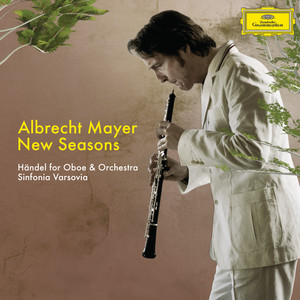 | Trio Sonata for 2 Violins and Continuo in G Minor, HWV 393 "Dresden" No. 2: III. Largo (Arr. for Oboe, Violin, Harpsichord and Orchestra by Andreas Tarkmann) | George Frideric Handel, Albrecht Mayer, Sinfonia Varsovia, Jakub Haufa, Monika Razynska | B♭ Major | 2 | 6B | 143 BPM | |
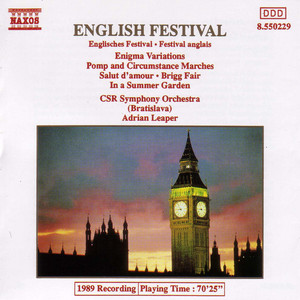 | Salut d'amour, Op. 12 (version for orchestra) | Edward Elgar, Slovak Radio Symphony Orchestra, Adrian Leaper | B♭ Major | 1 | 6B | 82 BPM | |
 | Violin Sonata No. 5 in F Major, Op. 24 "Spring": 1. Allegro | Ludwig van Beethoven, Itzhak Perlman, Vladimir Ashkenazy | C Major | 2 | 8B | 152 BPM | |
 | Suite No. 3, P. 172: III. Siciliana: Andantino | Ottorino Respighi, RTÉ National Symphony Orchestra | C Minor | 0 | 5A | 93 BPM | |
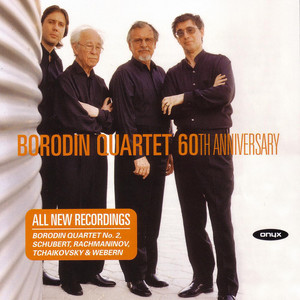 | Borodin - String Quartet No.2 in D major: Notturno: Andante | Alexander Borodin, Borodin Quartet | A Major | 2 | 11B | 74 BPM | |
 | Elegy No. 1 in D Major | Giovanni Bottesini, Andrew Burashko, Joel Quarrington | D Major | 0 | 10B | 89 BPM | |
 | Cantabile | Niccolò Paganini, Midori, Robert McDonald | D Major | 1 | 10B | 81 BPM | |
 | Recueil de chants, Op. 65: No. 6, Barcarolle | Charles-Valentin Alkan, Bruce Liu | G Minor | 0 | 6A | 70 BPM | |
 | Rachmaninov: 10 Preludes, Op. 23: No. 5 in G Minor | Sergei Rachmaninoff, Nikolai Lugansky | G Minor | 1 | 6A | 113 BPM | |
 | Wiener Blut, Op. 354 | Johann Strauss II, Vienna Volksoper Orchestra, Franz Bauer-Theussl | D Major | 2 | 10B | 93 BPM | |
 | Shostakovich: Suite for Jazz Orchestra No. 1, Op. 38a: I. Waltz | Dmitri Shostakovich, Philadelphia Orchestra, Mariss Jansons | E♭ Major | 0 | 5B | 81 BPM | |
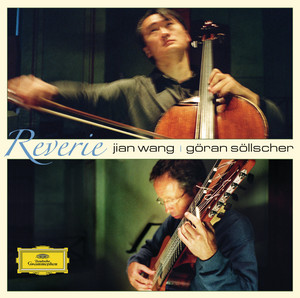 | Sicilienne (Arr. by Söllscher) | Maria Theresia von Paradis, Jian Wang, Göran Söllscher | F Major | 0 | 7B | 112 BPM | |
 | 21 Hungarian Dances, WoO 1 (arr. J. Joachim for violin and piano): No. 9 in E Minor | Joseph Joachim, Johannes Brahms, Marat Bisengaliev, John Lenehan | B Minor | 1 | 10A | 106 BPM | |
 | Allegro molto agitato in D Minor | Fanny Mendelssohn, Heather Schmidt | D Major | 1 | 10B | 111 BPM | |
 | Violin Concerto No. 2 in B Minor, Op. 7, "La campanella": III. Rondo | Niccolò Paganini, Netherlands Symphony Orchestra, Rudolf Koelman, Jan Willem de Vriend | B Minor | 2 | 10A | 105 BPM | |
 | Concerto in D Minor for Two Violins, BWV 1043: Vivace | Johann Sebastian Bach, Jascha Heifetz, Erick Friedman, Thornton Lofthouse, The New Symphony Orchestra Of London, Sir Malcolm Sargent | A Minor | 2 | 8A | 94 BPM | |
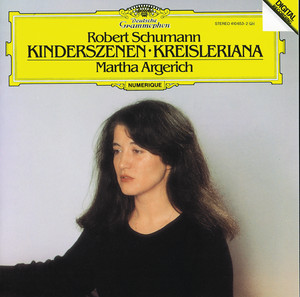 | Kinderszenen, Op. 15: I. Von fremden Ländern und Menschen | Robert Schumann, Martha Argerich | G Major | 0 | 9B | 128 BPM | |
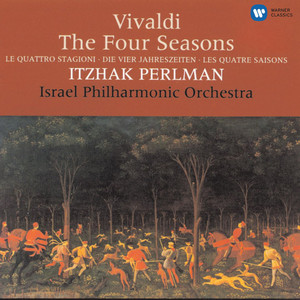 | Vivaldi: The Four Seasons, Violin Concerto in F Minor, Op. 8 No. 4, RV 297 "Winter": II. Largo | Antonio Vivaldi, Itzhak Perlman, Israel Philharmonic Orchestra | B♭ Major | 1 | 6B | 64 BPM | |
 | String Quartet No. 2 in D Major: III. Notturno: Andante | Alexander Borodin, Budapest Haydn Quartet | A Major | 1 | 11B | 89 BPM |
- ISRC
- DEF057501941
- Label
- L-M Records/RCA Records