- BPM
- 71
- Key
- F Major
- Camelot
- 7B
Nocturne Op.19-4 by Pyotr Ilyich Tchaikovsky, アレクセイ・トカレフ(トランペット), 佐藤勝重(ピアノ) Song Details
"Nocturne Op.19-4" by Pyotr Ilyich Tchaikovsky, アレクセイ・トカレフ(トランペット), 佐藤勝重(ピアノ) had its release date on August 25, 2014. With this song being around four minutes long, at 3:54, the duration of this song is pretty average compared to other songs. This track is safe for children and doesn't appear to contain any foul language, since the "Explicit" tag was not present in this track. There are a total of 14 in the song's album "Trympet Voluntary". In this album, this song's track order is #12. Furthermore, we believe that the track originated from Japan. Nocturne Op.19-4 is unknown right now. In our opinion, the overall tone is not very danceable and projects negative sounds, such as being sad, depressed, or angry.
BPM and Tempo
With Nocturne Op.19-4 by Pyotr Ilyich Tchaikovsky, アレクセイ・トカレフ(トランペット), 佐藤勝重(ピアノ) having a BPM of 71 with a half-time of 36 BPM and a double-time of 142 BPM, we would consider this track to have a Adagio (slowly with great expression) tempo marking. Because of this, we believe that the song has an overall slow tempo. The time signature for this track is 3/4.
Music Key
This song has a musical key of F Major. Or for those who are familiar with the camelot wheel, this song has a camelot key of 7B. So, the perfect camelot match for 7B would be either 7B or 8A. While, 8B can give you a low energy boost. For moderate energy boost, you would use 4B and a high energy boost can either be 9B or 2B. Though, if you want a low energy drop, you should looking for songs with either a camelot key of 7A or 6B will give you a low energy drop, 10B would be a moderate one, and 5B or 12B would be a high energy drop. Lastly, 4A allows you to change the mood.
Want to find the BPM and music key for other songs? Check out our BPM and Key Finder page!
- Popularity
- 0%
- Loudness
- -23.343 dB
- Acousticness
- 99%
- Danceability
- 24%
- Energy
- 7%
- Instrumentalness
- 92%
- Liveness
- 7%
- Loudness
- 61%
- Speechiness
- 4%
- Valence
- 11%
Recommendations
| Track | Artist | Key | Energy | Camelot | BPM | ||
|---|---|---|---|---|---|---|---|
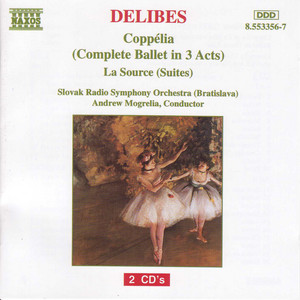 | Coppelia: Act I - Valse | Léo Delibes, Slovak Radio Symphony Orchestra, Andrew Mogrelia | E♭ Major | 0 | 5B | 89 BPM | |
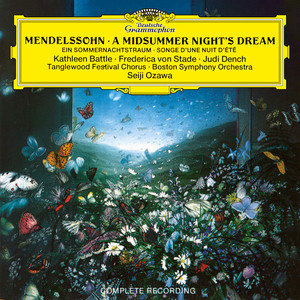 | Midsummer Night's Dream, Op. 61: No. 9, Wedding March | Felix Mendelssohn, Boston Symphony Orchestra, Seiji Ozawa | C Major | 2 | 8B | 74 BPM | |
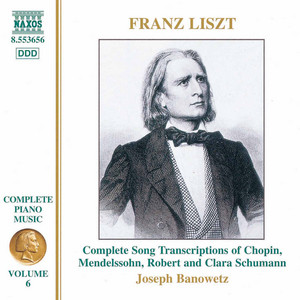 | Chopin - 6 Chants Polonais, S480/R145: No. 2. Fruhling(Wiosna, Spring) | Joseph Banowetz, Franz Liszt | G Major | 1 | 9B | 108 BPM | |
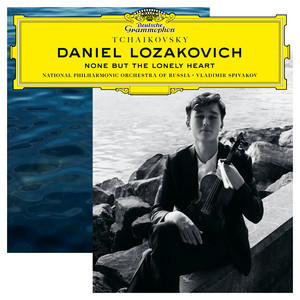 | Six Pieces, Op. 51, TH 143: VI. Valse sentimentale. Tempo di Valse | Pyotr Ilyich Tchaikovsky, Daniel Lozakovich, Stanislav Soloviev | D♭ Major | 1 | 3B | 108 BPM | |
 | Peer Gynt Suite No. 1, Op. 46: II. Åse's Death | Edvard Grieg, Wiener Philharmoniker, Zubin Mehta | G Major | 0 | 9B | 99 BPM | |
 | Slavonic March, Op. 31, TH 45 | Pyotr Ilyich Tchaikovsky, Russian National Orchestra, Mikhail Pletnev | B♭ Minor | 2 | 3A | 110 BPM | |
 | Romeo and Juliet Suite No. 1, Op. 64bis: VI. Romeo and Juliet (Balcony Scene) | Sergei Prokofiev, Bergen Philharmonic Orchestra, Andrew Litton | F Major | 0 | 7B | 79 BPM | |
 | Giselle, Act 1: Giselle's Variation | Adolphe Adam, Tasmanian Symphony Orchestra, Nicolette Fraillon | E♭ Major | 1 | 5B | 88 BPM | |
| Giselle, Act 2: No. 18 Giselle and Albrecht Pas de deux | Adolphe Adam, Tasmanian Symphony Orchestra, Nicolette Fraillon | A♭ Major | 1 | 4B | 129 BPM | |
 | Jazz Suite No. 2: IV. Waltz 1 | Dmitri Shostakovich, Russian State Symphony Orchestra, Dmitry Yablonsky | B♭ Major | 2 | 6B | 109 BPM | |
 | The Planets, Op. 32: II. Venus, the Bringer of Peace | Gustav Holst, Lorin Maazel, L'Orchestre National de France, Orchestre National De France | A♭ Major | 0 | 4B | 139 BPM | |
 | Masquerade - Ballet Suite: 1. Waltz | Aram Khachaturian, London Symphony Orchestra, Stanley Black | C Major | 3 | 8B | 100 BPM | |
 | Accelerationen Waltz, Op. 234 | Johann Strauss II, Berliner Philharmoniker, Herbert von Karajan | G Major | 0 | 9B | 175 BPM | |
 | In the Steppes of Central Asia | Alexander Borodin, Royal Philharmonic Orchestra, Vladimir Ashkenazy | A Major | 0 | 11B | 69 BPM | |
 | Souvenir de Florence, Op. 70, TH 118: II. Adagio cantabile e con moto - Live from Verbier Festival / 2013 | Pyotr Ilyich Tchaikovsky, Leonidas Kavakos, Lisa Batiashvili, Antoine Tamestit, Blythe Teh Engstroem, Gautier Capuçon, Stephan Koncz | D Major | 1 | 10B | 89 BPM | |
 | Gold Und Silber (Gold And Silver), Op. 79 | Slovak Radio Symphony Orchestra, Franz Lehár | C Major | 1 | 8B | 81 BPM | |
 | Romeo and Juliet, Op. 64 - Act 1: Balcony Scene - Romeo's Variation - Love Dance | Sergei Prokofiev, Cleveland Orchestra, Lorin Maazel | F Major | 1 | 7B | 83 BPM | |
 | Serenade for Strings in E Major, Op. 22, B. 52: I. Moderato | Antonín Dvořák, Prague Chamber Orchestra, Petr Skvor | E Major | 1 | 12B | 83 BPM | |
 | Tarantelle, Op. 23 | William Henry Squire, Oliver Gledhill, Tadashi Imai | D Major | 1 | 10B | 141 BPM | |
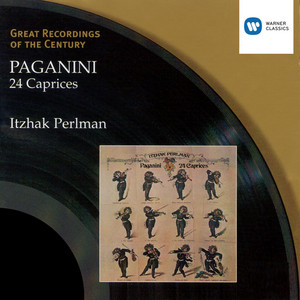 | Paganini: 24 Caprices, Op. 1: No. 24 in A Minor | Niccolò Paganini, Itzhak Perlman | A Minor | 1 | 8A | 111 BPM | |
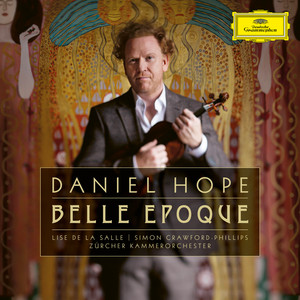 | Notturno for Strings and Harp | Arnold Schoenberg, Daniel Hope, Zürcher Kammerorchester, Jane Berthe | A♭ Major | 1 | 4B | 75 BPM | |
 | Carmen Suite No. 1 (Arr. E. Guiraud): III. Intermezzo | Georges Bizet, Orquestra Simfònica de Barcelona i Nacional de Catalunya, Pablo González | E♭ Major | 0 | 5B | 81 BPM | |
 | Serenade in C Major, Op. 48: II. Walzer | Pyotr Ilyich Tchaikovsky, Vienna Chamber Orchestra, Philippe Entremont | G Major | 2 | 9B | 180 BPM | |
 | Petite suite de concert, Op. 77: III. Un sonnet d'amour | Samuel Coleridge-Taylor, Chicago Sinfonietta, Paul Freeman | A Major | 0 | 11B | 70 BPM | |
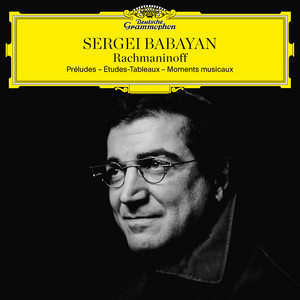 | 12 Songs, Op. 21: V. Lilacs (Transcr. Rachmaninoff for Solo Piano) | Sergei Rachmaninoff, Sergei Babayan | A♭ Major | 0 | 4B | 78 BPM |
- ISRC
- JPF691400355
- Label
- L-M Records/RCA Records