- BPM
- 104
- Key
- B Major
- Camelot
- 1B
15 Virtuosity Studies, Op. 72 “Per Aspera”: XV. B Major by Moritz Moszkowski, Alain Raës Song Details
Moritz Moszkowski, Alain Raës's '15 Virtuosity Studies, Op. 72 “Per Aspera”: XV. B Major' had a release date set for December 15, 1992. The duration of This song is about two minutes long, specifically at 2:32. This song does not appear to have any foul language. 15 Virtuosity Studies, Op. 72 “Per Aspera”: XV. B Major's duration is considered a little bit shorter than the average duration of a typical track. The track order of this song in Moritz Moszkowski, Alain Raës's "Moszkowski: 27 Piano Studies, Op. 72 & Op. 92" album is number 15 out of 27. On top of that, France appears to be the country where this track was created. In terms of popularity, 15 Virtuosity Studies, Op. 72 “Per Aspera”: XV. B Major is currently not that popular. In our opinion, the overall tone is not very danceable and projects negative sounds, such as being sad, depressed, or angry.
BPM and Tempo
We consider the tempo marking of 15 Virtuosity Studies, Op. 72 “Per Aspera”: XV. B Major by Moritz Moszkowski, Alain Raës to be Andante (at a walking pace) because the track has a tempo of 104 BPM, a half-time of 52BPM, and a double-time of 208 BPM. Based on that, the speed of the song's tempo is slow. The time signature for this track is 3/4.
Music Key
This song is in the music key of B Major. This also means that this song has a camelot key of 1B. So, the perfect camelot match for 1B would be either 1B or 2A. While, 2B can give you a low energy boost. For moderate energy boost, you would use 10B and a high energy boost can either be 3B or 8B. Though, if you want a low energy drop, you should looking for songs with either a camelot key of 1A or 12B will give you a low energy drop, 4B would be a moderate one, and 11B or 6B would be a high energy drop. Lastly, 10A allows you to change the mood.
Want to find the BPM and music key for other songs? Check out our BPM and Key Finder page!
- Popularity
- 2%
- Loudness
- -19.174 dB
- Acousticness
- 99%
- Danceability
- 22%
- Energy
- 32%
- Instrumentalness
- 91%
- Liveness
- 11%
- Loudness
- 68%
- Speechiness
- 4%
- Valence
- 24%
Recommendations
| Track | Artist | Key | Energy | Camelot | BPM | ||
|---|---|---|---|---|---|---|---|
 | Rhapsody in G Minor, Op. 79 No. 2 | Johannes Brahms, Radu Lupu | C Major | 1 | 8B | 140 BPM | |
 | Poulenc: Concerto for Two Pianos in D Minor, FP 61: I. Allegro ma non troppo | Francis Poulenc, James Conlon, Rotterdam Philharmonic Orchestra | E♭ Major | 1 | 5B | 103 BPM | |
 | Piano Concerto No. 2 in F Major, Op. 102: II. Andante | Dmitri Shostakovich, Boris Giltburg, Royal Liverpool Philharmonic Orchestra, Vasily Petrenko | C Minor | 0 | 5A | 80 BPM | |
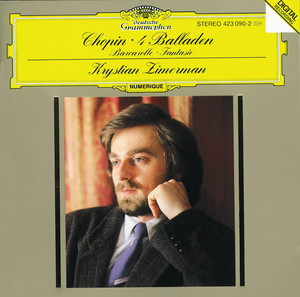 | Ballade No. 3 In A-Flat Major, Op. 47 | Frédéric Chopin, Krystian Zimerman | A♭ Major | 1 | 4B | 88 BPM | |
 | Nocturnes n°1 en ut majeur | Francis Poulenc, Alexandre Tharaud | C Major | 1 | 8B | 67 BPM | |
 | Idylle, Op. 94 No. 3 | Moritz Moszkowski, Sofja Gülbadamova | C Minor | 2 | 5A | 98 BPM | |
 | Fantasia in D Minor, K. 397 | Wolfgang Amadeus Mozart, Seong-Jin Cho | D Major | 1 | 10B | 130 BPM | |
 | Tchaikovsky / Arr. Pletnev: The Nutcracker, Op. 71, Act 2: No. 14 Pas de deux | Pyotr Ilyich Tchaikovsky, Paul Ji | G Major | 1 | 9B | 113 BPM | |
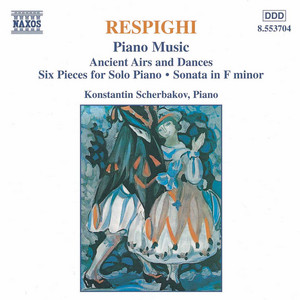 | Antiche Danze Ed Arie Per Liuto (Ancient Airs And Dances), P. 114: VI. Passacaglia | Ottorino Respighi, Konstantin Scherbakov | G Minor | 2 | 6A | 96 BPM | |
 | Respighi Notturno | Roberto Plano | F♯ Major | 0 | 2B | 62 BPM | |
 | Etude In C Minor Op. 25 No. 12 | Vladimir Horowitz | F Minor | 2 | 4A | 73 BPM | |
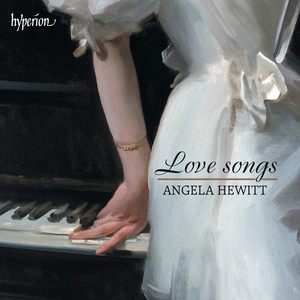 | Nell, Op. 18 No. 1 (Arr. Grainger) | Gabriel Fauré, Angela Hewitt | G Major | 0 | 9B | 63 BPM | |
 | II. February. Shrovetide Festival | Pyotr Ilyich Tchaikovsky, Mikhail Pletnev | D Major | 2 | 10B | 54 BPM | |
 | Sérénade, Op. 29 | Cécile Chaminade, Eric Parkin | D Major | 0 | 10B | 70 BPM | |
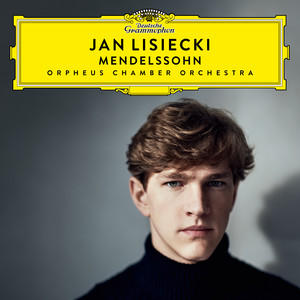 | Rondo capriccioso in E Major, Op. 14, MWV U67: I. Andante | Felix Mendelssohn, Jan Lisiecki | E Major | 0 | 12B | 70 BPM | |
 | Khachaturian: Spartacus (Highlights from the Ballet): Adagio of Spartacus and Phrygia | Aram Khachaturian, London Symphony Orchestra | A♭ Major | 1 | 4B | 88 BPM | |
 | Prélude, Op. 57 No. 1 | Anatoly Lyadov, Yoko Kikuchi | D♭ Major | 0 | 3B | 88 BPM | |
 | Scherzo-tarantelle in G Minor, Op.16 - 1987 Remastered Version | Henryk Wieniawski, Itzhak Perlman, Samuel Sanders | D Major | 3 | 10B | 114 BPM | |
 | Symphony No. 5 in E Minor, Op. 64: IV. Finale. Andante maestoso – Allegro vivace – Moderato assai e molto maestoso – Presto – Molto meno mosso | Pyotr Ilyich Tchaikovsky, Berliner Philharmoniker, Kirill Petrenko | E Major | 3 | 12B | 141 BPM | |
 | Piano Trio No. 1 in D minor, Op. 32: 3. Elegia: Adagio | Anton Arensky, Beaux Arts Trio | D Major | 2 | 10B | 77 BPM | |
 | Piano Sonata in G Minor: I. Allegro molto agitato | Fanny Mendelssohn, Heather Schmidt | B Minor | 3 | 10A | 87 BPM | |
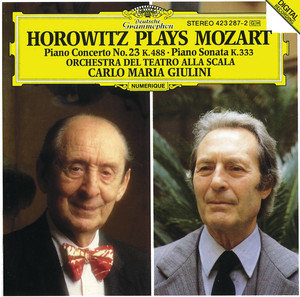 | Piano Concerto No. 23 in A Major, K. 488: II. Adagio | Wolfgang Amadeus Mozart, Vladimir Horowitz, Orchestra Del Teatro Alla Scala, Milano, Carlo Maria Giulini | F♯ Minor | 0 | 11A | 108 BPM | |
 | Sarasate: Zigeunerweisen, Op. 20 | Pablo de Sarasate, Itzhak Perlman, Abbey Road Ensemble | C Minor | 1 | 5A | 83 BPM | |
 | 8 Nocturnes, Op. 368: No. 5, Allegretto grazioso e con anima | Carl Czerny, Roberte Mamou | E Major | 1 | 12B | 137 BPM | |
 | 5 Spanische Tänze, Op. 12: IV.. Allegro comodo | Moritz Moszkowski, Domenico Monaco, Michele Solimando | E Major | 2 | 12B | 97 BPM |
- ISRC
- FRY839201820
- Label
- L-M Records/RCA Records