- BPM
- 129
- Key
- B♭ Major
- Camelot
- 6B
Jephtha, HWV 70 / Act 2: "Deeper, and Deeper Still" by George Frideric Handel, Kenneth McKellar, Orchestra of the Royal Opera House, Covent Garden, Sir Adrian Boult Song Details
George Frideric Handel, Kenneth McKellar, Orchestra of the Royal Opera House, Covent Garden, Sir Adrian Boult's 'Jephtha, HWV 70 / Act 2: "Deeper, and Deeper Still"' had a release date set for January 1, 2012. Since This song is still less than 10 minute long, it is still considered a pretty long duration song compared to the average song length. This song does not appear to be explicit due to the lack of the "E" tag. The track order of this song in George Frideric Handel, Kenneth McKellar, Sir Adrian Boult's "Kenneth McKellar Sings Handel" album is number 4 out of 14. On top of that, United Kingdom appears to be the country where this track was created. Based on our statistics, Jephtha, HWV 70 / Act 2: "Deeper, and Deeper Still"'s popularity is unknown right now. In our opinion, the overall tone is not very danceable and projects negative sounds, such as being sad, depressed, or angry.
BPM and Tempo
We consider the tempo marking of Jephtha, HWV 70 / Act 2: "Deeper, and Deeper Still" by George Frideric Handel, Kenneth McKellar, Orchestra of the Royal Opera House, Covent Garden, Sir Adrian Boult to be Allegro (fast, quick, and bright) because the track has a tempo of 129 BPM, a half-time of 64BPM, and a double-time of 258 BPM. Based on that, the speed of the song's tempo is fast. Activities such as, walking, can go well with this song. The time signature for this track is 4/4.
Music Key
This song is in the music key of B♭ Major. This also means that this song has a camelot key of 6B. So, the perfect camelot match for 6B would be either 6B or 7A. While, 7B can give you a low energy boost. For moderate energy boost, you would use 3B and a high energy boost can either be 8B or 1B. Though, if you want a low energy drop, you should looking for songs with either a camelot key of 6A or 5B will give you a low energy drop, 9B would be a moderate one, and 4B or 11B would be a high energy drop. Lastly, 3A allows you to change the mood.
Want to find the BPM and music key for other songs? Check out our BPM and Key Finder page!
- Popularity
- 0%
- Loudness
- -17.847 dB
- Acousticness
- 99%
- Danceability
- 37%
- Energy
- 27%
- Instrumentalness
- 0%
- Liveness
- 11%
- Loudness
- 70%
- Speechiness
- 8%
- Valence
- 34%
Recommendations
| Track | Artist | Key | Energy | Camelot | BPM | ||
|---|---|---|---|---|---|---|---|
 | Cello Concerto No. 1 in G Major: II. Romance. Andantino | Carl Stamitz, Christian Benda, Prague Chamber Orchestra | B♭ Major | 0 | 6B | 176 BPM | |
 | Wiegenlied, Op. 49, No. 4 | Johannes Brahms, Leonidas Kavakos, Yuja Wang | E♭ Major | 0 | 5B | 74 BPM | |
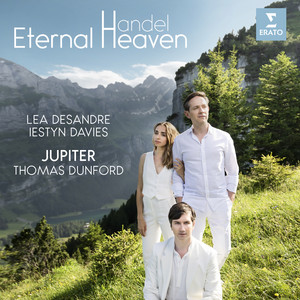 | Handel: Theodora, HWV 68, Act 2: "To Thee Thy Glorious Son of Worth" (Theodora, Didymus) | George Frideric Handel, Jupiter, Thomas Dunford, Iestyn Davies, Lea Desandre | E Minor | 1 | 9A | 59 BPM | |
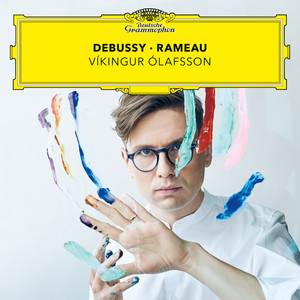 | Les tendres plaintes | Jean-Philippe Rameau, Víkingur Ólafsson | D Minor | 0 | 7A | 110 BPM | |
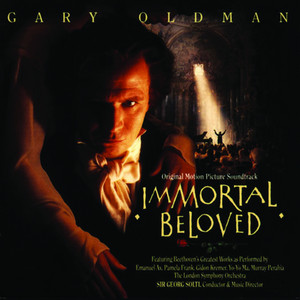 | II. Adagio cantabile from Piano Sonata No. 8 in C minor, Op. 13 "Pathetique" - Instrumental | Ludwig van Beethoven, Murray Perahia | A♭ Major | 0 | 4B | 62 BPM | |
 | Concerto in C Major, H.117, Op. 7: I. Francese Presto | Francesco Geminiani, Café Zimmermann | B Major | 3 | 1B | 112 BPM | |
 | Symphony in D Major, Op. 3, No. 1, W. C1: I. Allegro con spirito | Johann Christian Bach, Camerata De Budapest, Hanspeter Gmür | A Major | 1 | 11B | 141 BPM | |
 | Oboe Concerto in B-Flat Major, Wq. 164, H. 466: I. Allegretto | Carl Philipp Emanuel Bach, Jozsef Kiss, Budapest Ferenc Erkel Chamber Orchestra | B♭ Major | 1 | 6B | 131 BPM | |
 | Armide: Passacaille | Jean-Baptiste Lully, Véronique Gens/Les Talens Lyriques/Christophe Rousset, Christophe Rousset, Les Talens Lyriques | F Minor | 1 | 4A | 122 BPM | |
 | Suite in G Major, RCT 6: No. 14, Les sauvages - Arr. for Solo Cello - Nouvelles suites de pièces de clavecin | Jean-Philippe Rameau, Christian-Pierre La Marca | F♯ Minor | 3 | 11A | 85 BPM | |
 | Oboe Concerto in C Major on Themes of Pergolesi: III. Andantino | Anthony Camden, City of London Sinfonia, Nicholas Ward | C Minor | 0 | 5A | 48 BPM | |
 | Ouverture in E Minor: II. Les plaisirs | Johann Bernhard Bach, L'Achéron, François Joubert-Caillet | D Minor | 2 | 7A | 114 BPM | |
 | Oboe Concerto in D Minor, Op. 9 No. 2: II. Adagio | Tomaso Albinoni, David Reichenberg, The English Concert, Trevor Pinnock | A Major | 1 | 11B | 68 BPM | |
 | Oboe Concerto in D Minor, S. Z799: I. Andante e spiccato | Alessandro Marcello, Marcel Ponseele, Il Gardellino | D Minor | 2 | 7A | 122 BPM | |
 | Gluck: Melodie from Orfeo ed Euridice | Christoph Willibald Gluck, Aurélien Pontier | E♭ Major | 2 | 5B | 107 BPM | |
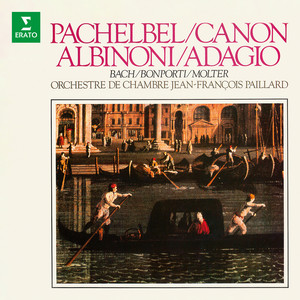 | Molter: Concerto for 2 Trumpets in D Major, MWV 6.31: II. Andante | Johann Melchior Molter, Jean-François Paillard, Orchestre de chambre Jean-François Paillard | D Minor | 1 | 7A | 128 BPM | |
 | Purcell: Abdelazer, Z. 570: II. Rondeau | Henry Purcell, Andrew Parrott, Taverner Players | D♭ Minor | 1 | 12A | 101 BPM | |
 | Keyboard Sonata in D Minor, Kk. 1 | Domenico Scarlatti, Ivo Pogorelich | D Minor | 1 | 7A | 107 BPM | |
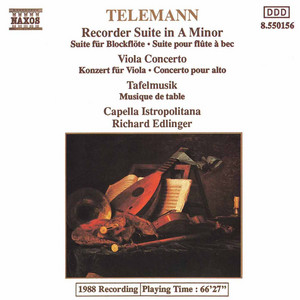 | Viola Concerto In G Major, TWV 51:g9: II. Allegro | Ladislav Kyselák, Capella Istropolitana, Georg Philipp Telemann | G Major | 3 | 9B | 108 BPM | |
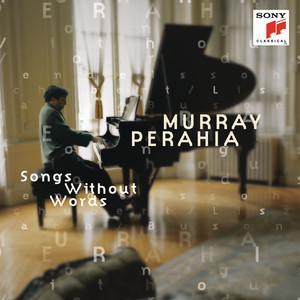 | Lieder ohne Worte, Op. 19, No. 1 | Felix Mendelssohn, Murray Perahia | E Major | 0 | 12B | 138 BPM | |
 | Symphony in E minor, H.I No. 44 -"Mourning": 3. Adagio | Joseph Haydn, English Chamber Orchestra, Daniel Barenboim | D Major | 3 | 10B | 105 BPM | |
 | Overture No. 2 in F Major: III. Sarabande | Francesco Maria Veracini, Accademia I Filarmonici, Alberto Martini | F Major | 1 | 7B | 108 BPM | |
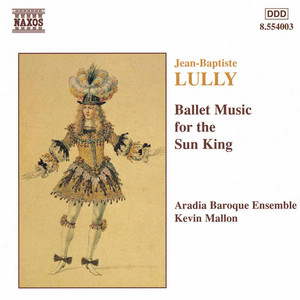 | Les plaisirs: Sarabande | Jean-Baptiste Lully, Mary Enid Haines, Sharla Nafziger, Aradia Ensemble, Kevin Mallon | F♯ Minor | 0 | 11A | 144 BPM | |
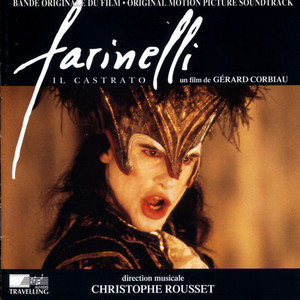 | Polifemo: Alto giove (Air d'Acio) - Instrumental Version | Christophe Rousset, Les Talens Lyriques, Ewa Mallas-godlewska, Derek Lee Ragin | E♭ Minor | 0 | 2A | 141 BPM | |
 | Symphony No. 5 in D Major, Op. 2, "St. Cecilia's Day Ode": I. Allegro ma non troppo - Allegro assai | William Boyce, Aradia Ensemble, Kevin Mallon | D♭ Major | 2 | 3B | 126 BPM |
- ISRC
- GBF076010620
- Label
- L-M Records/RCA Records