- BPM
- 118
- Key
- D♭ Major
- Camelot
- 3B
Variations on a Rococo Theme, Op. 33: Var. 3. Andante sostenuto by Pyotr Ilyich Tchaikovsky, Mischa Maisky, Orpheus Chamber Orchestra Song Details
Pyotr Ilyich Tchaikovsky, Mischa Maisky, Orpheus Chamber Orchestra's ' "Variations on a Rococo Theme, Op. 33: Var. 3. Andante sostenuto" was released on its scheduled release date, January 1, 1997. With this song being around four minutes long, at 3:50, the duration of this song is pretty average compared to other songs. This track is safe for children and doesn't appear to contain any foul language, since the "Explicit" tag was not present in this track. There are a total of 17 in the song's album "Tchaikovsky: Rococo Variations; Souvenir de Florence; Lensky's Aria From "Eugen Onegin"; Nocturne In D Minor (From Op. 19, No. 4); Andante Cantabile, Op. 11". In this album, this song's track order is #5. Furthermore, we believe that the track originated from Germany. In terms of popularity, Variations on a Rococo Theme, Op. 33: Var. 3. Andante sostenuto is currently not that popular. Even with the track produces more of a neutral energy, it is pretty danceable compared to others.
BPM and Tempo
With Variations on a Rococo Theme, Op. 33: Var. 3. Andante sostenuto by Pyotr Ilyich Tchaikovsky, Mischa Maisky, Orpheus Chamber Orchestra having a BPM of 118 with a half-time of 59 BPM and a double-time of 236 BPM, we would consider this track to have a Moderato (at a moderate speed) tempo marking. Because of this, we believe that the song has an overall moderate tempo. Looking at the BPM of this song, this song might go great with walking. The time signature for this track is 1/4.
Music Key
This song has a musical key of D♭ Major. Or for those who are familiar with the camelot wheel, this song has a camelot key of 3B. So, the perfect camelot match for 3B would be either 3B or 4A. While, 4B can give you a low energy boost. For moderate energy boost, you would use 12B and a high energy boost can either be 5B or 10B. Though, if you want a low energy drop, you should looking for songs with either a camelot key of 3A or 2B will give you a low energy drop, 6B would be a moderate one, and 1B or 8B would be a high energy drop. Lastly, 12A allows you to change the mood.
Want to find the BPM and music key for other songs? Check out our BPM and Key Finder page!
- Popularity
- 9%
- Loudness
- -9.753 dB
- Acousticness
- 7%
- Danceability
- 66%
- Energy
- 63%
- Instrumentalness
- 0%
- Liveness
- 10%
- Loudness
- 84%
- Speechiness
- 4%
- Valence
- 56%
Recommendations
| Track | Artist | Key | Energy | Camelot | BPM | ||
|---|---|---|---|---|---|---|---|
 | Serenade in C Major, Op. 48: IV. Finale (Tema Russo) | Pyotr Ilyich Tchaikovsky, Vienna Chamber Orchestra, Philippe Entremont | G Major | 3 | 9B | 146 BPM | |
 | Symphony No. 40 in G Minor, K. 550: I. Allegro molto | Wolfgang Amadeus Mozart, Capella Istropolitana, Barry Wordsworth | D Minor | 2 | 7A | 122 BPM | |
 | Romance No. 2 In F Major, Op. 50 | Slovak Philharmonic, Takako Nishizaki, Ludwig van Beethoven | F Major | 1 | 7B | 88 BPM | |
 | Carnival of the Animals: The Swan - Arranged for Cello and Harp by Miriam Keogh | Camille Saint-Saëns, None, Sebastian Comberti, Miriam Keogh | G Major | 1 | 9B | 123 BPM | |
 | Carnival of the Animals: Aquarium | Camille Saint-Saëns, Isata Kanneh-Mason, Konya Kanneh-Mason, Braimah Kanneh-Mason, Ayla Sahin, Timothy Ridout, Sheku Kanneh-Mason, Adam Walker, Alasdair Malloy | A Minor | 0 | 8A | 70 BPM | |
 | La Campanella, Op.7 | Niccolò Paganini, David Garrett, Alexander Markovich | D Major | 1 | 10B | 102 BPM | |
 | Vivaldi: La stravaganza, Violin Concerto in E Minor, Op. 4 No. 2, RV 279: I. Allegro | Antonio Vivaldi, Europa Galante, Fabio Biondi | E♭ Minor | 3 | 2A | 109 BPM | |
 | Pictures at an Exhibition (Orch. Ravel): IV. Bydlo | Modest Mussorgsky, Wiener Philharmoniker, Gustavo Dudamel | A Major | 1 | 11B | 90 BPM | |
 | Carmen Suite No. 1 (Arr. E. Guiraud): IV. Séguedille | Georges Bizet, Orquestra Simfònica de Barcelona i Nacional de Catalunya, Pablo González | G Minor | 0 | 6A | 66 BPM | |
 | Swan Lake, Op. 20, Pt. 2: IV. Danses des petits cygnes | Pyotr Ilyich Tchaikovsky, Royal Philharmonic Orchestra, Nicolae Moldoveanu | F♯ Minor | 0 | 11A | 109 BPM | |
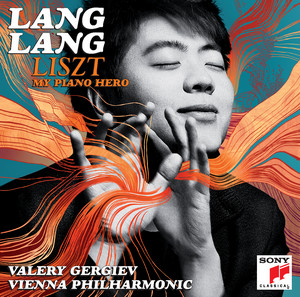 | Romance "O pourquoi donc" in E Minor, S. 169 | Franz Liszt, Lang Lang | E Minor | 0 | 9A | 67 BPM | |
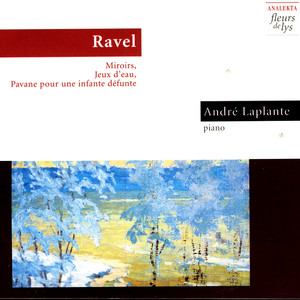 | Jeux D'Eau | Maurice Ravel, André Laplante | A Major | 1 | 11B | 128 BPM | |
 | Nr. 3, Pizzicato | Léo Delibes, Slovak Radio Symphony Orchestra, Michael Halasz | E♭ Major | 0 | 5B | 161 BPM | |
 | Dvořák: 8 Slavonic Dances, Op. 72, B. 147: No. 10 in E Minor | Antonín Dvořák, Lorin Maazel, Berliner Philharmoniker | C Major | 1 | 8B | 81 BPM | |
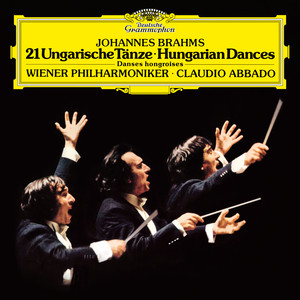 | 21 Hungarian Dances, WoO 1: Hungarian Dance No. 6 in D Major. Vivace (Orch. Schmeling) | Johannes Brahms, Wiener Philharmoniker, Claudio Abbado | D Major | 2 | 10B | 153 BPM | |
 | Warsaw Concerto | Richard Addinsell, Jean-Yves Thibaudet, BBC Symphony Orchestra, Hugh Wolff | B Major | 1 | 1B | 76 BPM | |
 | Hungarian Dance No.1 in G minor - Orchestrated by Brahms: Allegro molto | Johannes Brahms, Chicago Symphony Orchestra, Daniel Barenboim | G Minor | 2 | 6A | 65 BPM | |
 | Midsummer Night's Dream, Op. 61: No. 9, Wedding March | Felix Mendelssohn, Boston Symphony Orchestra, Seiji Ozawa | C Major | 2 | 8B | 74 BPM | |
 | Swan Lake, Op. 20: Op. 20: Act IV No. 29, Scène Finale | Pyotr Ilyich Tchaikovsky, Orchestra of the Royal Opera House, Covent Garden, Mark Ermler | B Major | 4 | 1B | 113 BPM | |
 | Firebird Suite - 1919 Version | Chicago Symphony Orchestra | B Major | 1 | 1B | 80 BPM | |
 | The Sleeping Beauty, Op. 66/66a: Act 1, No. 8, Adagio – Pas d’Action - Arr. for Orchestra by Santtu-Matias Rouvali | Pyotr Ilyich Tchaikovsky, Philharmonia Orchestra, Santtu-Matias Rouvali | E♭ Major | 1 | 5B | 109 BPM | |
| Serenade in C Major, Op. 48: I. Pezzo in forma di Sonatina | Pyotr Ilyich Tchaikovsky, Vienna Chamber Orchestra, Philippe Entremont | C Major | 3 | 8B | 112 BPM | |
 | The Snow Maiden, Op. 12: X. Melodrama | Moscow Symphony Orchestra, Arkady Mishenkin, Elena Okolysheva, Moscow Capella, Pyotr Ilyich Tchaikovsky | A Major | 0 | 11B | 131 BPM | |
 | Le roi s'amuse: Passepied | Léo Delibes, Slovak Philharmonic, Ondrej Lenard | A Major | 1 | 11B | 88 BPM | |
 | String Sextet in D Minor, Op. 70, "Souvenir de Florence": I. Allegro con spirito | Pyotr Ilyich Tchaikovsky, Jan Vogler | D Major | 2 | 10B | 109 BPM |
- ISRC
- DEF059630005
- Label
- L-M Records/RCA Records