- BPM
- 152
- Key
- B♭ Minor
- Camelot
- 3A
ピアノ・ソナタ 第8番 ハ短調 作品13 〈悲愴〉 I-Grave - Allegro di molto e con brio by ルートヴィヒ・ヴァン・ベートーヴェン, 園田高弘 Song Details
"ピアノ・ソナタ 第8番 ハ短調 作品13 〈悲愴〉 I-Grave - Allegro di molto e con brio" by ルートヴィヒ・ヴァン・ベートーヴェン, 園田高弘 had its release date on July 23, 2003. This song appears to be safe for all ages as it is not explicit. There is only one song in ベートーヴェン:ピアノ・ソナタ第8番《悲愴》・第14番《月光》・第23番《熱情》, so we believe that "ピアノ・ソナタ 第8番 ハ短調 作品13 〈悲愴〉 I-Grave - Allegro di molto e con brio" is a single. Based on our statistics, ピアノ・ソナタ 第8番 ハ短調 作品13 〈悲愴〉 I-Grave - Allegro di molto e con brio's popularity is unknown right now. In our opinion, the overall tone is not very danceable and projects negative sounds, such as being sad, depressed, or angry.
BPM and Tempo
The tempo marking of ピアノ・ソナタ 第8番 ハ短調 作品13 〈悲愴〉 I-Grave - Allegro di molto e con brio by ルートヴィヒ・ヴァン・ベートーヴェン, 園田高弘 is Allegro (fast, quick, and bright), since this song has a tempo of 152 BPM. With that information, we can conclude that the song has a fast tempo. This song can go great with running. The time signature for this track is 4/4.
Music Key
B♭ Minor is the music key of this track. Because this track belongs in the B♭ Minor key, the camelot key is 3A. So, the perfect camelot match for 3A would be either 3A or 2B. While, a low energy boost can consist of either 3B or 4A. For moderate energy boost, you would use 12A and a high energy boost can either be 5A or 10A. However, if you are looking for a low energy drop, finding a song with a camelot key of 2A would be a great choice. Where 6A would give you a moderate drop, and 1A or 8A would be a high energy drop. Lastly, 6B allows you to change the mood.
Want to find the BPM and music key for other songs? Check out our BPM and Key Finder page!
- Popularity
- 0%
- Loudness
- -18.384 dB
- Acousticness
- 97%
- Danceability
- 21%
- Energy
- 24%
- Instrumentalness
- 89%
- Liveness
- 10%
- Loudness
- 69%
- Speechiness
- 3%
- Valence
- 10%
Recommendations
| Track | Artist | Key | Energy | Camelot | BPM | ||
|---|---|---|---|---|---|---|---|
 | Jeux d'enfants, Op. 22: No. 3, La poupée | Georges Bizet, Katia Labèque, Marielle Labèque | B Major | 0 | 1B | 64 BPM | |
 | Prélude in C-Sharp Minor, Op. 3, No. 2 | Sergei Rachmaninoff | F♯ Minor | 1 | 11A | 115 BPM | |
 | Haydn: Cello Concerto No. 1 in C Major, Hob. VIIb, 1: II. Adagio (Cadenza by Britten) | Franz Joseph Haydn, Mstislav Rostropovich, Academy of St. Martin in the Fields | F Major | 1 | 7B | 124 BPM | |
 | Lieder ohne Worte, Op.30: No. 6. Allegretto In F Sharp Minor, MWV U 110 - "Venetian Gondola Song" | Felix Mendelssohn, Daniel Barenboim | F♯ Minor | 0 | 11A | 169 BPM | |
 | String Quartet No. 62 in C Major, Op. 76 No. 3, Hob. III:77 "Emperor": II. Poco adagio, cantabile | Joseph Haydn, Kodály Quartet | G Major | 1 | 9B | 110 BPM | |
 | Haydn: Symphony No. 94 in G Major, Hob. I:94 "Surprise": IV. Finale. Allegro di molto | Joseph Haydn, André Previn, Pittsburgh Symphony Orchestra | G Major | 2 | 9B | 140 BPM | |
 | Fidelio, Op. 72, Act I: March | Ludwig van Beethoven, Wolfgang Glashof, Hungarian Radio Chorus, Nicolaus Esterhazy Sinfonia, Michael Halasz, Alan Titus, Gösta Winbergh, Inga Nielsen, Kurt Moll, Edith Lienbacher, Herwig Pecoraro, Péter Pálinkás, József Moldvay | C Major | 3 | 8B | 135 BPM | |
 | Mendelssohn: Violin Concerto in E Minor Op. 64: I. Allegro molto appassionato | Felix Mendelssohn, Maxim Vengerov, Kurt Masur, Gewandhausorchester Leipzig | E Minor | 2 | 9A | 101 BPM | |
 | Beethoven: Minuet in G Major, WoO 10, No. 2 | Ludwig van Beethoven, I Musici | G Major | 1 | 9B | 95 BPM | |
 | Suite for Variety Orchestra: Waltz 2 (Arr. for 12 Cellos) | Dmitri Shostakovich, Die 12 Cellisten der Berliner Philharmoniker | C Minor | 1 | 5A | 181 BPM | |
 | Lieder ohne Worte, Op. 19b: Lieder ohne Worte (Song without Words) No. 6 in G Minor, Op. 19, No. 6, "Venezianisches Gondellied" [Venetian Gondola Song] | Felix Mendelssohn, Péter Nagy | G Major | 0 | 9B | 101 BPM | |
 | Egmont, Op. 84: Beethoven: Egmont-Overture | Ludwig van Beethoven, Bavarian Radio Symphony Orchestra, Mariss Jansons | F Minor | 1 | 4A | 87 BPM | |
 | Corelli: Concerto grosso in D Major, Op. 6 No. 4: II. Adagio (Arr. Diluka for Piano) | Arcangelo Corelli, Shani Diluka | D Minor | 0 | 7A | 134 BPM | |
 | Solfeggietto in C Minor, H. 220 | Carl Philipp Emanuel Bach, Cyprien Katsaris | F Minor | 1 | 4A | 105 BPM | |
 | Keyboard Sonata in D Minor, Kk. 1 | Domenico Scarlatti, Ivo Pogorelich | D Minor | 1 | 7A | 107 BPM | |
 | Lyric Pieces, Book 1, Op. 12: Arietta | Edvard Grieg, Einar Steen-Nøkleberg | E♭ Major | 0 | 5B | 111 BPM | |
 | Egmont, Op. 84: Overture | Ludwig van Beethoven, Madeleine Pierard, Claus Obalski, New Zealand Symphony Orchestra, James Judd | F Minor | 1 | 4A | 173 BPM | |
 | Bruch: Violin Concerto No. 1 in G Minor, Op. 26: I. Prelude. Allegro moderato | Max Bruch, Maxim Vengerov, Kurt Masur, Gewandhausorchester | E♭ Major | 1 | 5B | 113 BPM | |
 | Suite No. 11 in D Minor, HWV 437: III. Sarabande - Remastered 2022 | George Frideric Handel, Mario Sollazzo | B♭ Minor | 0 | 3A | 76 BPM | |
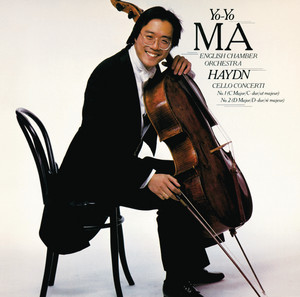 | Cello Concerto No. 1 in C Major, Hob. VIIb:1: II. Adagio | Joseph Haydn, Yo-Yo Ma, English Chamber Orchestra, José-Luis Garcia | F Major | 1 | 7B | 62 BPM | |
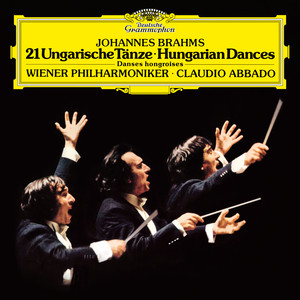 | 21 Hungarian Dances, WoO 1: Hungarian Dance No. 4 in F Minor. Poco sostenuto (Orch. Juon in F-Sharp Minor) | Johannes Brahms, Wiener Philharmoniker, Claudio Abbado | F♯ Minor | 2 | 11A | 80 BPM | |
 | Violin Concerto in D Major, Op. 61: III. Rondo. Allegro (Cadenza Kreisler) | Ludwig van Beethoven, Fritz Kreisler, Daniel Lozakovich, Munich Philharmonic Orchestra, Valery Gergiev | D Major | 1 | 10B | 117 BPM | |
 | Piano Sonata No. 8 in C Minor, Op. 13 "Pathétique": I. Grave - Allegro di molto e con brio | Ludwig van Beethoven, François-Frédéric Guy | C Minor | 1 | 5A | 151 BPM | |
 | Scottish Fantasy for Violin and Orchestra, Op. 46: I. Introduction: Grave, Adagio cantabile | Max Bruch, Joshua Bell, Academy of St. Martin in the Fields | E♭ Major | 2 | 5B | 60 BPM | |
 | Khachaturian: Spartacus (Highlights from the Ballet): Adagio of Spartacus and Phrygia | Aram Khachaturian, London Symphony Orchestra | A♭ Major | 1 | 4B | 88 BPM |
- ISRC
- JPCO06811290
- Label
- L-M Records/RCA Records