- BPM
- 103
- Key
- D Minor
- Camelot
- 7A
Strauss, R: Don Quixote, Op. 35: Variation V. The Knight's Vigil by Richard Strauss, Rudolf Kempe, Paul Tortelier, Staatskapelle Dresden Song Details
"Strauss, R: Don Quixote, Op. 35: Variation V. The Knight's Vigil" by Richard Strauss, Rudolf Kempe, Paul Tortelier, Staatskapelle Dresden had its release date on 2013. With this song being around four minutes long, at 3:50, the duration of this song is pretty average compared to other songs. This track is safe for children and doesn't appear to contain any foul language, since the "Explicit" tag was not present in this track. There are a total of 103 in the song's album "Strauss, Richard: Complete Orchestral Works". In this album, this song's track order is #49. In terms of popularity, Strauss, R: Don Quixote, Op. 35: Variation V. The Knight's Vigil is currently unknown. In our opinion, the overall tone is not very danceable and projects negative sounds, such as being sad, depressed, or angry.
BPM and Tempo
With Strauss, R: Don Quixote, Op. 35: Variation V. The Knight's Vigil by Richard Strauss, Rudolf Kempe, Paul Tortelier, Staatskapelle Dresden having a BPM of 103 with a half-time of 52 BPM and a double-time of 206 BPM, we would consider this track to have a Andante (at a walking pace) tempo marking. Because of this, we believe that the song has an overall slow tempo. The time signature for this track is 4/4.
Music Key
This song has a musical key of D Minor. Which also means that the camelot key for this song is 7A. So, the perfect camelot match for 7A would be either 7A or 6B. While, a low energy boost can consist of either 7B or 8A. For moderate energy boost, you would use 4A and a high energy boost can either be 9A or 2A. However, if you are looking for a low energy drop, finding a song with a camelot key of 6A would be a great choice. Where 10A would give you a moderate drop, and 5A or 12A would be a high energy drop. Lastly, 10B allows you to change the mood.
Want to find the BPM and music key for other songs? Check out our BPM and Key Finder page!
- Popularity
- 0%
- Loudness
- -23.021 dB
- Acousticness
- 90%
- Danceability
- 18%
- Energy
- 11%
- Instrumentalness
- 88%
- Liveness
- 10%
- Loudness
- 62%
- Speechiness
- 4%
- Valence
- 6%
Recommendations
| Track | Artist | Key | Energy | Camelot | BPM | ||
|---|---|---|---|---|---|---|---|
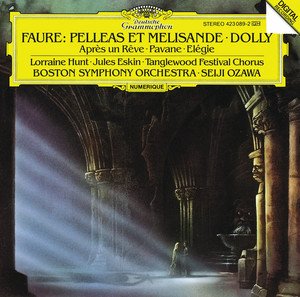 | Pelléas et Mélisande, Op.80: 2. Fileuse. Andantino quasi Allegretto | Gabriel Fauré, Boston Symphony Orchestra, Seiji Ozawa | G Major | 1 | 9B | 88 BPM | |
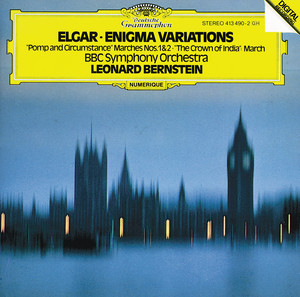 | Variations On An Original Theme, Op.36 "Enigma": 12. B.G.N. (Andante) | Edward Elgar, BBC Symphony Orchestra, Leonard Bernstein | B♭ Major | 0 | 6B | 82 BPM | |
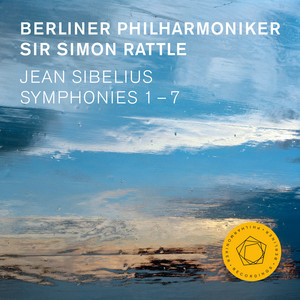 | Symphony No. 7 in C Major, Op. 105: Vivace - Presto - Adagio - Largamente molto - Affettuoso | Jean Sibelius, Berliner Philharmoniker, Sir Simon Rattle | D Minor | 0 | 7A | 126 BPM | |
 | Orpheo ed Euridice, Wq. 30, Act II: Dance of the Blessed Spirits | Christoph Willibald Gluck, Eugene Ormandy, Philadelphia Orchestra | D Minor | 1 | 7A | 67 BPM | |
 | Symphony in B-Flat Major, Hob. I:102: IV. Finale. Presto | Joseph Haydn, Ádám Fischer, Österreichisch-Ungarische Haydn Philharmonie | A Major | 0 | 11B | 85 BPM | |
 | Zdes' khorosho ('How Fair This Spot'), Op. 21, No. 7 | Sergei Rachmaninoff, Pablo Ferrandez, Denis Kozhukhin | A Major | 0 | 11B | 87 BPM | |
 | 4 Letzte Lieder, TrV 296: No. 2, September | Richard Strauss, Renée Fleming, Munich Philharmonic Orchestra, Christian Thielemann | F♯ Major | 1 | 2B | 81 BPM | |
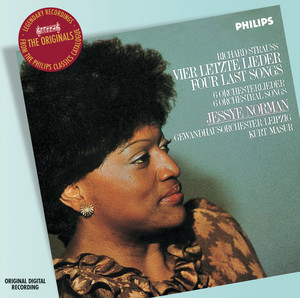 | Ruhe, meine Seele, Op. 27 No. 1 (Version with Orchestra) | Richard Strauss, Jessye Norman, Gewandhausorchester, Kurt Masur | D Minor | 0 | 7A | 90 BPM | |
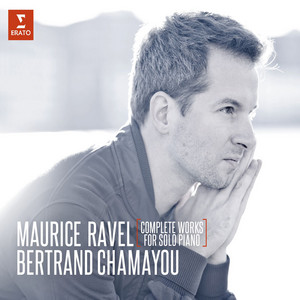 | Ravel: Pavane pour une infante défunte, M. 19 | Maurice Ravel, Bertrand Chamayou | E Minor | 0 | 9A | 126 BPM | |
 | Symphony No. 3 In C Minor, Op. 78 "Organ Symphony": 1. Adagio - Allegro moderato - Poco adagio | Camille Saint-Saëns, Simon Preston, Berliner Philharmoniker, James Levine | A♭ Major | 1 | 4B | 118 BPM | |
 | Symphonia domestica, Op. 53, TrV 209: Wiegenlied - | Richard Strauss, Staatskapelle Weimar, Antoni Wit | G Major | 0 | 9B | 80 BPM | |
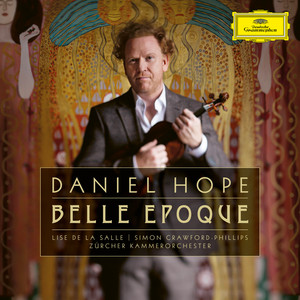 | Notturno for Strings and Harp | Arnold Schoenberg, Daniel Hope, Zürcher Kammerorchester, Jane Berthe | A♭ Major | 1 | 4B | 75 BPM | |
 | Erlkönig, D. 328 (Adapt. for Cello and Orchestra) | Franz Schubert, Camille Thomas, Brussels Philharmonic, Mathieu Herzog | A Minor | 1 | 8A | 124 BPM | |
 | Panis Angelicus (Arr. Leopold Stokowski) | César Franck, Matthias Bamert, BBC Philharmonic | A Major | 1 | 11B | 65 BPM | |
 | Petrouchka: Danse des cochers et des palefreniers | Ferenc Fricsay, Berliner Philharmoniker | A Minor | 6 | 8A | 121 BPM | |
 | Romeo and Juliet Suite No. 2, Op. 64ter: I. Montagues and Capulets (Live) | Sergei Prokofiev, Riccardo Muti, Chicago Symphony Orchestra | A Minor | 1 | 8A | 93 BPM | |
 | Aleko: Intermezzo | Sergei Rachmaninoff, Berliner Philharmoniker, Lorin Maazel | B♭ Major | 0 | 6B | 90 BPM | |
 | La Cenerentola: Overture (Sinfonia) | Gioachino Rossini, Orchestra del Teatro Comunale di Bologna, Riccardo Chailly | A Minor | 1 | 8A | 116 BPM | |
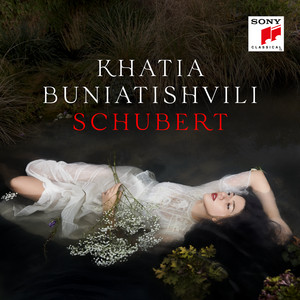 | Ständchen, S. 560 (Trans. from Schwanengesang No. 4, D. 957) | Franz Schubert, Franz Liszt, Khatia Buniatishvili | D Major | 0 | 10B | 67 BPM | |
 | D'un matin de printemps | Lili Boulanger, Yan Pascal Tortelier, BBC Philharmonic | C Major | 1 | 8B | 130 BPM | |
 | Alphorn, o. Op. | Richard Strauss, Christiane Karg, Malcolm Martineau, Felix Klieser | D Major | 3 | 10B | 78 BPM | |
 | Symphony No. 5 in C-Sharp Minor: IV. Adagietto. Sehr langsam | Gustav Mahler, Leonard Bernstein, New York Philharmonic | B♭ Major | 3 | 6B | 96 BPM | |
 | Don Quixote, Op. 35: XIV. Finale. The Death of Don Quixote. Sehr ruhig | Richard Strauss, Pierre Fournier, Giusto Cappone, Berliner Philharmoniker, Herbert von Karajan | E♭ Major | 3 | 5B | 102 BPM | |
 | Elektra: Xiii. Orest! Orest ist tod! | Hugo von Hofmannsthal, Richard Strauss, Laila Andersson-palme, Anita Soldh, Royal Swedish Opera Orchestra, Siegfried Köhler | E♭ Major | 3 | 5B | 81 BPM | |
 | The Rite of Spring: Part One: Adoration of the Earth: The Augurs of Spring - Dance of the Young Girls | Igor Stravinsky, Teodor Currentzis, musicAeterna | B♭ Major | 3 | 6B | 120 BPM |
- ISRC
- This song does not have an ISRC.
- Label
- L-M Records/RCA Records