- BPM
- 85
- Key
- G Major
- Camelot
- 9B
Love in Bath (1990 Digital Remaster): Hunting Scene by George Frideric Handel, Ilse Hollweg/Royal Philharmonic Orchestra/Sir Thomas Beecham, Sir Thomas Beecham, Royal Philharmonic Orchestra Song Details
On November 28, 2005, the song "Love in Bath (1990 Digital Remaster): Hunting Scene" was released by George Frideric Handel, Ilse Hollweg/Royal Philharmonic Orchestra/Sir Thomas Beecham, Sir Thomas Beecham, Royal Philharmonic Orchestra. With This song being less than two minutes long, at 1:26, we are fairly confident that this song is not explicit and is safe for all ages. Based on the duration of this song, this song duration is much smaller than the average song duration. The track order of this song in George Frideric Handel, Sir Thomas Beecham's "Handel: Solomon - Love in Bath" album is number 14 out of 58. Love in Bath (1990 Digital Remaster): Hunting Scene is unknown right now. The overall tone is very danceable, especially with its high energy, which produces more of a euphoric, cheerful, or happy vibe.
BPM and Tempo
We consider the tempo marking of Love in Bath (1990 Digital Remaster): Hunting Scene by George Frideric Handel, Ilse Hollweg/Royal Philharmonic Orchestra/Sir Thomas Beecham, Sir Thomas Beecham, Royal Philharmonic Orchestra to be Andante (at a walking pace) because the track has a tempo of 85 BPM, a half-time of 42BPM, and a double-time of 170 BPM. Based on that, the speed of the song's tempo is slow. Activities such as, yoga or pilates, can go well with this song. The time signature for this track is 4/4.
Music Key
This song is in the music key of G Major. This also means that this song has a camelot key of 9B. So, the perfect camelot match for 9B would be either 9B or 10A. While, 10B can give you a low energy boost. For moderate energy boost, you would use 6B and a high energy boost can either be 11B or 4B. Though, if you want a low energy drop, you should looking for songs with either a camelot key of 9A or 8B will give you a low energy drop, 12B would be a moderate one, and 7B or 2B would be a high energy drop. Lastly, 6A allows you to change the mood.
Want to find the BPM and music key for other songs? Check out our BPM and Key Finder page!
- Popularity
- 0%
- Loudness
- -14.375 dB
- Acousticness
- 96%
- Danceability
- 61%
- Energy
- 20%
- Instrumentalness
- 69%
- Liveness
- 8%
- Loudness
- 76%
- Speechiness
- 4%
- Valence
- 88%
Recommendations
| Track | Artist | Key | Energy | Camelot | BPM | ||
|---|---|---|---|---|---|---|---|
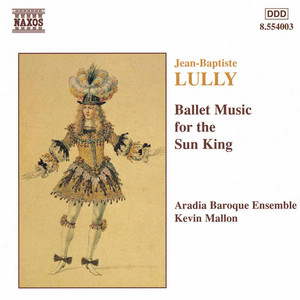 | Le bourgeois gentilhomme: Chaconne des Scaramouches, Frivelins et Arlequins | Jean-Baptiste Lully, Mary Enid Haines, Sharla Nafziger, Aradia Ensemble, Kevin Mallon | F♯ Major | 0 | 2B | 0 BPM | |
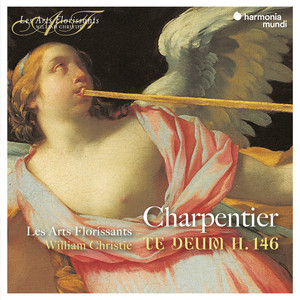 | Te Deum, H. 146: I. Prélude | Marc-Antoine Charpentier, Les Arts Florissants, William Christie | D♭ Major | 3 | 3B | 141 BPM | |
 | Oboe Concerto in D Minor, S. Z799: I. Andante e spiccato | Alessandro Marcello, Marcel Ponseele, Il Gardellino | D Minor | 2 | 7A | 122 BPM | |
 | Violin Concerto In E Minor, Op. 64, MWV O14: I. Allegro molto appassionato | Felix Mendelssohn, Anne-Sophie Mutter, Gewandhausorchester, Kurt Masur | E Minor | 1 | 9A | 81 BPM | |
 | Peer Gynt Suite No.1 op. 46 Morning (Allegro pastorale) | Academy of St. Martin in the Fields | E Major | 0 | 12B | 68 BPM | |
 | Peer Gynt, Op. 23, Act IV: No. 13, Prelude. Morning Mood | Edvard Grieg, San Francisco Symphony, Herbert Blomstedt | E Major | 0 | 12B | 66 BPM | |
 | Oboe Concerto in D minor S.Z799: 2. Adagio | Alessandro Marcello, Clare Shanks, Academy of Ancient Music, Christopher Hogwood | A♭ Minor | 5 | 1A | 117 BPM | |
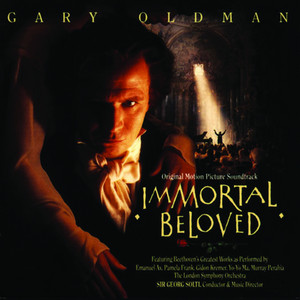 | II. Adagio cantabile from Piano Sonata No. 8 in C minor, Op. 13 "Pathetique" - Instrumental | Ludwig van Beethoven, Murray Perahia | A♭ Major | 0 | 4B | 62 BPM | |
 | Armide: Passacaille | Jean-Baptiste Lully, Véronique Gens/Les Talens Lyriques/Christophe Rousset, Christophe Rousset, Les Talens Lyriques | F Minor | 1 | 4A | 122 BPM | |
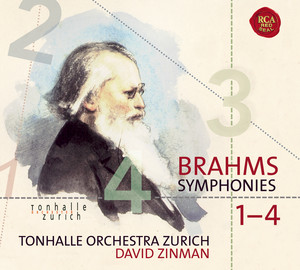 | Symphony No. 3 in F Major, Op. 90: III. Poco allegretto | Johannes Brahms, David Zinman | C Minor | 0 | 5A | 173 BPM | |
 | Gigues en rondeau I & II | Jean-Philippe Rameau, Víkingur Ólafsson | E Major | 1 | 12B | 128 BPM | |
 | Viola Concerto In G Major, TWV 51:g9: I. Largo | Ladislav Kyselák, Capella Istropolitana, Georg Philipp Telemann | G Major | 1 | 9B | 144 BPM | |
 | Concerto grosso in C Minor, Op. 2, No. 1: IV. Allegro | Francesco Geminiani, Capella Istropolitana, Jaroslav Krcek | C Minor | 1 | 5A | 180 BPM | |
 | Handel: Organ Concerto in F Major, Op. 4 No. 4, HWV 292: II. Andante | George Frideric Handel, Valda Aveling, Menuhin Festival Orchestra, Simon Preston, Yehudi Menuhin | A Major | 1 | 11B | 118 BPM | |
 | Serse, HWV 40: Ombra mai fu | George Frideric Handel, Cecilia Bartoli, Il Giardino Armonico, Giovanni Antonini | E Major | 1 | 12B | 135 BPM | |
 | Ode for St. Cecilia's Day, HWV 76: Air: Orpheus could lead the savage race | George Frideric Handel, Dorothee Mields, Mark Wilde, Alsfelder Vocal Ensemble, Concerto Polacco, Wolfgang Helbich | A♭ Minor | 0 | 1A | 96 BPM | |
 | Ancient Airs & Dances, Suite III, P. 172: I. Italiana (Anonymous) | Ottorino Respighi, Filarmonica della Scala, Riccardo Chailly | B♭ Major | 1 | 6B | 172 BPM | |
 | Concerto Grosso In D Major, Op. 6, No. 1 : IV. Allegro | Arcangelo Corelli, Anna Holbling, Daniela Ruso, Quido Holbling, Ludovit Kanta, Capella Istropolitana | D Major | 3 | 10B | 129 BPM | |
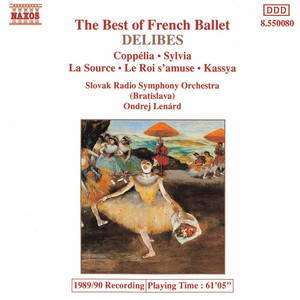 | Le roi s'amuse: Pavane | Léo Delibes, Slovak Philharmonic, Ondrej Lenard | B♭ Major | 0 | 6B | 91 BPM | |
 | Symphony in D Major, Op. 2 No. 5 "St. Cecilia's Day Ode": III. Tempo di minuetto | William Boyce, Academy of St. Martin in the Fields, Sir Neville Marriner | D Major | 2 | 10B | 152 BPM | |
 | Tafelmusik - Banquet Music In 3 Parts / Production 2 - 3. Concert In F Major, TWV53:A2: 1. Allegro | Georg Philipp Telemann, Musica Antiqua Köln, Reinhard Goebel | E Major | 2 | 12B | 105 BPM | |
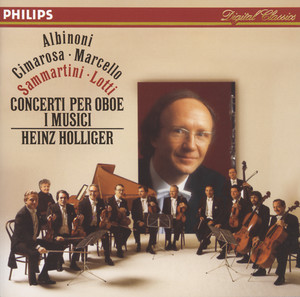 | Oboe Concerto in D Minor, S. Z799: II. Adagio | Alessandro Marcello, Heinz Holliger, I Musici | D Minor | 1 | 7A | 79 BPM | |
 | Le carnaval des animaux, R. 125: Le cygne | Camille Saint-Saëns, Mischa Maisky, Orpheus Chamber Orchestra | C Major | 0 | 8B | 83 BPM | |
 | Solomon, HWV 67, Act III: No. 42 Symphony: Arrival of the Queen of Sheba | George Frideric Handel, Daniel Reuss, Akademie für Alte Musik Berlin | B Major | 2 | 1B | 106 BPM | |
 | Nulla in mundo pax, RV 630: 1. Nulla in mundo pax | Antonio Vivaldi, Emma Kirkby, Academy of Ancient Music, Christopher Hogwood | E♭ Major | 1 | 5B | 99 BPM |
- ISRC
- This song does not have an ISRC.
- Label
- L-M Records/RCA Records