- BPM
- 89
- Key
- F Major
- Camelot
- 7B
Bate o Pé by Max Song Details
On June 2, 1972, the song "Bate o Pé" was released by Max. The duration of This song is about two minutes long, specifically at 2:47. This song does not appear to have any foul language. Bate o Pé's duration is considered a little bit shorter than the average duration of a typical track. The song is number 6 out of 12 in Bailarico by Max, Maria Clara, João Nobre e sua Orquestra. Going off of the ISRC code of this track, we detected that the origin of this track is from Portugal. Bate o Pé is not that popular right now. The overall tone is very danceable, especially with its high energy, which produces more of a euphoric, cheerful, or happy vibe.
BPM and Tempo
The tempo marking of Bate o Pé by Max is Andante (at a walking pace), since this song has a tempo of 89 BPM. With that information, we can conclude that the song has a slow tempo. This song can go great with yoga or pilates. The time signature for this track is 4/4.
Music Key
This song is in the music key of F Major. This also means that this song has a camelot key of 7B. So, the perfect camelot match for 7B would be either 7B or 8A. While, 8B can give you a low energy boost. For moderate energy boost, you would use 4B and a high energy boost can either be 9B or 2B. Though, if you want a low energy drop, you should looking for songs with either a camelot key of 7A or 6B will give you a low energy drop, 10B would be a moderate one, and 5B or 12B would be a high energy drop. Lastly, 4A allows you to change the mood.
Want to find the BPM and music key for other songs? Check out our BPM and Key Finder page!
- Popularity
- 13%
- Loudness
- -8.986 dB
- Acousticness
- 28%
- Danceability
- 82%
- Energy
- 60%
- Instrumentalness
- 0%
- Liveness
- 8%
- Loudness
- 85%
- Speechiness
- 3%
- Valence
- 86%
Recommendations
| Track | Artist | Key | Energy | Camelot | BPM | ||
|---|---|---|---|---|---|---|---|
 | Guitarra Toca Baixinho | Francisco José | D Major | 5 | 10B | 82 BPM | |
 | Dia Não | Matilde Cid | D Major | 5 | 10B | 133 BPM | |
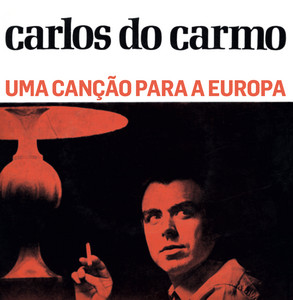 | No Teu Poema | Carlos Do Carmo | F♯ Major | 6 | 2B | 114 BPM | |
 | Os Três Santos Populares | Max | D♭ Major | 1 | 3B | 131 BPM | |
 | A Ver as Vistas | Ana Margarida Prado | E Major | 4 | 12B | 131 BPM | |
 | Fado Do Campo Grande | Carlos Do Carmo | D♭ Minor | 3 | 12A | 110 BPM | |
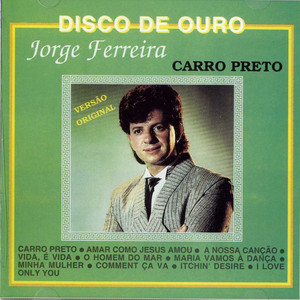 | Carro Preto | Jorge Ferreira | A Major | 5 | 11B | 188 BPM | |
 | Fado do Ladrão Enamorado | Nuno da Camara Pereira | F♯ Minor | 4 | 11A | 94 BPM | |
 | Túnica negra | Frei Hermano Da Câmara | G Major | 5 | 9B | 134 BPM | |
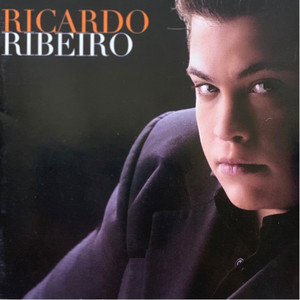 | Quero Tanto aos Olhos Teus | Ricardo Ribeiro | D♭ Major | 3 | 3B | 78 BPM | |
 | Pauliteiros de Miranda | 7 Saias | F Major | 9 | 7B | 145 BPM | |
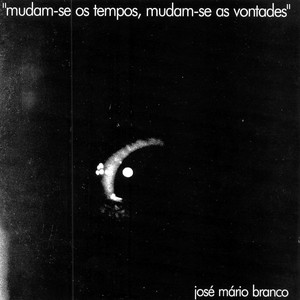 | Mudam-se os Tempos, Mudam-se as Vontades | José Mário Branco | F Major | 3 | 7B | 124 BPM | |
 | Cavalo Ruço | Fado Marialva | D Major | 4 | 10B | 127 BPM | |
 | Fado Tapum | El Moura | E Major | 8 | 12B | 75 BPM | |
 | Mamãe eu quero | Toka & Dança | F Major | 7 | 7B | 126 BPM | |
 | Cegonha | Carlos Paião | C Minor | 3 | 5A | 134 BPM | |
 | E Depois Do Adeus | Paulo Carvalho | D♭ Major | 5 | 3B | 102 BPM | |
 | Passarinho do Alentejo | Amantes Do Alentejo | F Major | 6 | 7B | 95 BPM | |
 | Serafim Saudade | Herman José | D Major | 8 | 10B | 73 BPM | |
 | O Homem Do Ribatejo | António Pinto Basto | D Minor | 4 | 7A | 100 BPM | |
 | (A Casa da) Mariquinhas | Gisela João | D Major | 6 | 10B | 93 BPM | |
 | Lisboa É Assim | Rodrigo Costa Felix | F Major | 3 | 7B | 133 BPM | |
| Vielas de Alfama | Max | D♭ Major | 1 | 3B | 122 BPM | |
 | Jesus | Frei Hermano Da Câmara | F♯ Minor | 5 | 11A | 84 BPM | |
 | Boa Sorte! | Dino Meira | F Minor | 5 | 4A | 204 BPM |
- ISRC
- PTVC15700102
- Label
- L-M Records/RCA Records