- BPM
- 118
- Key
- E Minor
- Camelot
- 9A
String Quartet No. 4 in E Minor, Op. 44 No. 2, MWV R26: III. Andante by Felix Mendelssohn, New Zealand String Quartet Song Details
Felix Mendelssohn, New Zealand String Quartet's ' "String Quartet No. 4 in E Minor, Op. 44 No. 2, MWV R26: III. Andante" was released on its scheduled release date, March 25, 2008. This song is about six minutes long, preciously at 6:15, making this song fairly long compared to other songs. The track order of this song in Felix Mendelssohn, New Zealand String Quartet's "Mendelssohn, Felix: String Quartets, Vol. 1 - String Quartets Nos. 1, 4, 6" album is number 11 out of 12. On top of that, Hong Kong appears to be the country where this track was created. In terms of popularity, String Quartet No. 4 in E Minor, Op. 44 No. 2, MWV R26: III. Andante is currently unknown. Based on the vibe, this track doesn't seem to be that danceable, however its valence properties can make this some somewhat danceable.
BPM and Tempo
We consider the tempo marking of String Quartet No. 4 in E Minor, Op. 44 No. 2, MWV R26: III. Andante by Felix Mendelssohn, New Zealand String Quartet to be Moderato (at a moderate speed) because the track has a tempo of 118 BPM, a half-time of 59BPM, and a double-time of 236 BPM. Based on that, the speed of the song's tempo is moderate. Activities such as, walking, can go well with this song. The time signature for this track is 3/4.
Music Key
E Minor is the music key of this track. Because this track belongs in the E Minor key, the camelot key is 9A. So, the perfect camelot match for 9A would be either 9A or 8B. While, a low energy boost can consist of either 9B or 10A. For moderate energy boost, you would use 6A and a high energy boost can either be 11A or 4A. However, if you are looking for a low energy drop, finding a song with a camelot key of 8A would be a great choice. Where 12A would give you a moderate drop, and 7A or 2A would be a high energy drop. Lastly, 12B allows you to change the mood.
Want to find the BPM and music key for other songs? Check out our BPM and Key Finder page!
- Popularity
- 0%
- Loudness
- -18.486 dB
- Acousticness
- 97%
- Danceability
- 36%
- Energy
- 23%
- Instrumentalness
- 92%
- Liveness
- 14%
- Loudness
- 69%
- Speechiness
- 4%
- Valence
- 47%
Recommendations
| Track | Artist | Key | Energy | Camelot | BPM | ||
|---|---|---|---|---|---|---|---|
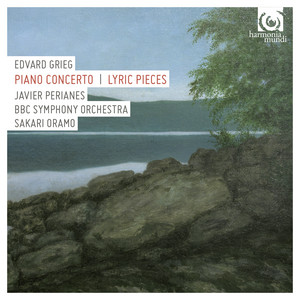 | Piano Concerto in A Minor, Op. 16: II. Adagio | Edvard Grieg, Javier Perianes, BBC Symphony Orchestra, Sakari Oramo | D♭ Major | 0 | 3B | 79 BPM | |
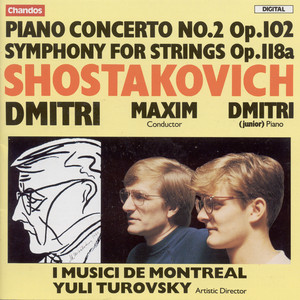 | Piano Concerto No. 2 in F Major, Op. 102: I. Allegro | Dmitri Shostakovich, I Musici de Montréal, Maxim Shostakovich | B♭ Major | 3 | 6B | 160 BPM | |
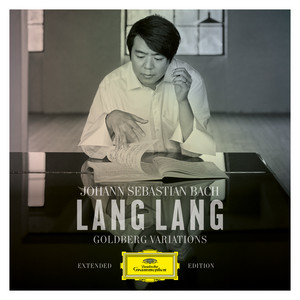 | Goldberg Variations, BWV 988: Aria | Johann Sebastian Bach, Lang Lang | G Major | 0 | 9B | 76 BPM | |
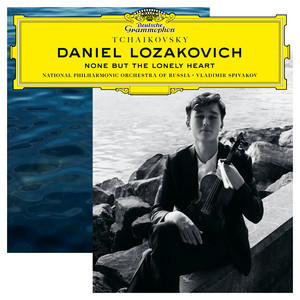 | Souvenir d'un lieu cher, Op. 42: Ib. Méditation (Orch. Glazunov) | Pyotr Ilyich Tchaikovsky, Daniel Lozakovich, National Philharmonic Orchestra of Russia, Vladimir Spivakov | B♭ Major | 2 | 6B | 99 BPM | |
 | Three Romances for Violin and Piano, Op. 22: I. Andante molto | Clara Schumann, Esther Abrami, Iyad Sughayer | D♭ Major | 2 | 3B | 81 BPM | |
 | Orfeo ed Euridice, Wq. 30: Melodie dell'Orfeo (Arr. Sgambati for Piano) | Yuja Wang | D♭ Minor | 1 | 12A | 80 BPM | |
 | The Lark | Mikhail Glinka, Evgeny Kissin | B♭ Minor | 0 | 3A | 96 BPM | |
 | 6 Chorale Preludes, BV B 50: Herzlich tut mich verlangen, Op. 122/10 | Johannes Brahms, Ferruccio Busoni, Igor Levit | A Minor | 0 | 8A | 84 BPM | |
 | Violin Concerto In E Minor, Op. 64, MWV O14: II. Andante | Felix Mendelssohn, Anne-Sophie Mutter, Gewandhausorchester, Kurt Masur | C Major | 1 | 8B | 103 BPM | |
 | Thaïs: Méditation | Jules Massenet, Bomsori, NFM Wrocław Philharmonic, Giancarlo Guerrero | D Major | 0 | 10B | 84 BPM | |
 | Scriabin: 24 Preludes, Op. 11: No. 21 in B-Flat Major | Alexander Scriabin, Mikhail Pletnev | E♭ Major | 0 | 5B | 70 BPM | |
 | Bagatelles, Op. 47, B. 79: No. 1 in G Minor, Allegretto scherzando | Antonín Dvořák, Josef Suk, Miroslav Ambroš, Jiří Bárta, Jan Simon | G Minor | 1 | 6A | 99 BPM | |
 | Le Festin D'Esope Op. 39 No. 12 | Charles-Valentin Alkan, Igor Roma | E Minor | 2 | 9A | 138 BPM | |
 | Lyric Pieces Book 1, Op. 12: No. 1, Arietta | Edvard Grieg, Stephen Hough | F♯ Minor | 0 | 11A | 89 BPM | |
 | Canción | Manuel de Falla, Javier Perianes | C Minor | 0 | 5A | 76 BPM | |
 | Sonata in G Major, KK. 455 | Domenico Scarlatti, Yuja Wang | G Major | 1 | 9B | 139 BPM | |
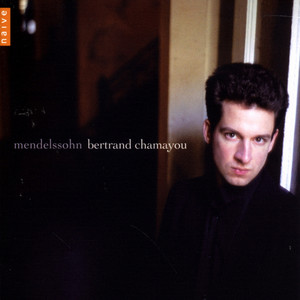 | Lied opus 34 no.2, transcription Franz Liszt: Auf Flügeln Des Gesanges | Felix Mendelssohn, Bertrand Chamayou | A♭ Major | 0 | 4B | 71 BPM | |
 | Children's Corner, L. 113: I. Doctor Gradus ad Parnassum | Claude Debussy, Lang Lang | A♭ Minor | 0 | 1A | 85 BPM | |
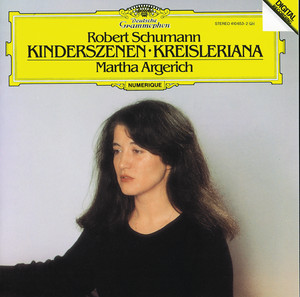 | Kinderszenen, Op. 15: I. Von fremden Ländern und Menschen | Robert Schumann, Martha Argerich | G Major | 0 | 9B | 128 BPM | |
 | Adagio in F, H.XVII No. 9 | Joseph Haydn, Alfred Brendel | F Major | 0 | 7B | 71 BPM | |
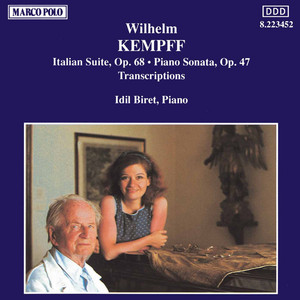 | Orphée et Eurydice, Wq. 30: Dance of the Blessed Spirits (Arr. W. Kempff for Piano) | Christoph Willibald Gluck, Idil Biret | F Major | 0 | 7B | 89 BPM | |
 | España, Op. 165: II. Tango | Isaac Albéniz, Daniel Barenboim | D Major | 0 | 10B | 66 BPM | |
 | Mendelssohn: Rondo capriccioso in E Major, Op. 14 | Felix Mendelssohn, Doomin Kim | E Minor | 1 | 9A | 163 BPM | |
 | Massenet: Élégie (Version for Cello and Piano) | Jules Massenet, Edgar Moreau, Pierre-Yves Hodique | E Minor | 0 | 9A | 73 BPM | |
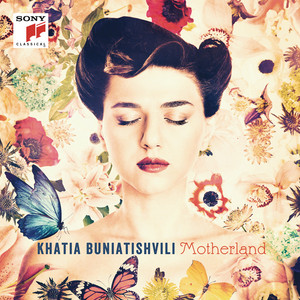 | Slavonic Dance for Four Hands in E Minor, Op. 72/2: Dumka (Allegretto grazioso) | Antonín Dvořák, Khatia Buniatishvili | C Major | 0 | 8B | 77 BPM |
- ISRC
- HKI190782011
- Label
- L-M Records/RCA Records