- BPM
- 90
- Key
- E♭ Major
- Camelot
- 5B
Overture 1812, Op. 49: Overture 1812 - Finale by Pyotr Ilyich Tchaikovsky, Gothenburg Symphony Orchestra, Neeme Järvi Song Details
"Overture 1812, Op. 49: Overture 1812 - Finale" by Pyotr Ilyich Tchaikovsky, Gothenburg Symphony Orchestra, Neeme Järvi had its release date on March 4, 2020. With this song being around four minutes long, at 4:14, the duration of this song is pretty average compared to other songs. This track is safe for children and doesn't appear to contain any foul language, since the "Explicit" tag was not present in this track. There are a total of 30 in the song's album "Tchaikovsky 101". In this album, this song's track order is #13. Furthermore, we believe that the track originated from Germany. In terms of popularity, Overture 1812, Op. 49: Overture 1812 - Finale is currently below average in popularity. In our opinion, the overall tone is not very danceable and projects negative sounds, such as being sad, depressed, or angry.
BPM and Tempo
With Overture 1812, Op. 49: Overture 1812 - Finale by Pyotr Ilyich Tchaikovsky, Gothenburg Symphony Orchestra, Neeme Järvi having a BPM of 90 with a half-time of 45 BPM and a double-time of 180 BPM, we would consider this track to have a Andante (at a walking pace) tempo marking. Because of this, we believe that the song has an overall slow tempo. Looking at the BPM of this song, this song might go great with yoga or pilates. The time signature for this track is 4/4.
Music Key
This song has a musical key of E♭ Major. Or for those who are familiar with the camelot wheel, this song has a camelot key of 5B. So, the perfect camelot match for 5B would be either 5B or 6A. While, 6B can give you a low energy boost. For moderate energy boost, you would use 2B and a high energy boost can either be 7B or 12B. Though, if you want a low energy drop, you should looking for songs with either a camelot key of 5A or 4B will give you a low energy drop, 8B would be a moderate one, and 3B or 10B would be a high energy drop. Lastly, 2A allows you to change the mood.
Want to find the BPM and music key for other songs? Check out our BPM and Key Finder page!
- Popularity
- 38%
- Loudness
- -16.062 dB
- Acousticness
- 62%
- Danceability
- 20%
- Energy
- 39%
- Instrumentalness
- 87%
- Liveness
- 8%
- Loudness
- 73%
- Speechiness
- 7%
- Valence
- 5%
Recommendations
| Track | Artist | Key | Energy | Camelot | BPM | ||
|---|---|---|---|---|---|---|---|
 | 1812 Overture with Cannons | Harmony Haven Project | A♭ Major | 4 | 4B | 95 BPM | |
 | The Planets, Op. 32: 4. Jupiter, the Bringer of Jollity | Gustav Holst, Berliner Philharmoniker, Herbert von Karajan | G Minor | 3 | 6A | 140 BPM | |
 | La Gazza Ladra - La Urraca Ladrona Obertura | Gioachino Rossini, Inma Shara | E Major | 1 | 12B | 138 BPM | |
 | Karelia Suite, Op.11: 3. Alla marcia (Moderato) | Jean Sibelius, Gothenburg Symphony Orchestra, Neeme Järvi | A Major | 3 | 11B | 164 BPM | |
 | The Sorcerer's Apprentice | Philharmonia Orchestra | D♭ Major | 2 | 3B | 130 BPM | |
 | La traviata, Act I: Libiamo, ne'lieti calici, "Brindisi" (Arr. For orchestra) | Giuseppe Verdi, Sofia Philharmonic Orchestra, Emil Tabakov | B♭ Major | 1 | 6B | 63 BPM | |
 | Trumpet Concerto in E Flat, H.VIIe/1: 3. Allegro | Joseph Haydn, Håkan Hardenberger, Academy of St. Martin in the Fields, Sir Neville Marriner | A♭ Major | 0 | 4B | 169 BPM | |
 | 5 Military Marches, Op. 39, "Pomp and Circumstance": No. 1 in D Major | Edward Elgar, New Zealand Symphony Orchestra, James Judd | D Major | 3 | 10B | 127 BPM | |
 | Haydn: Symphony No. 94 in G Major, Hob. I:94 "Surprise": IV. Finale. Allegro di molto | Joseph Haydn, André Previn, Pittsburgh Symphony Orchestra | G Major | 2 | 9B | 140 BPM | |
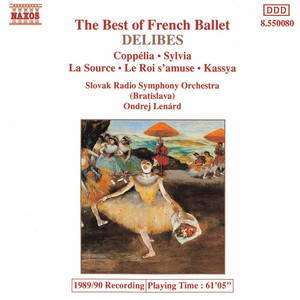 | Le roi s'amuse: Pavane | Léo Delibes, Slovak Philharmonic, Ondrej Lenard | B♭ Major | 0 | 6B | 91 BPM | |
 | Samson et Dalila, Op. 47: Bacchanale | Camille Saint-Saëns, Leonard Bernstein, New York Philharmonic | D Minor | 2 | 7A | 145 BPM | |
 | Mendelssohn: String Quartet No. 6 in F Minor, Op. 80, MWV R37: II. Allegro assai | Felix Mendelssohn, Quatuor Ébène | F Minor | 3 | 4A | 139 BPM | |
 | III. Minuetto (Featured in "The Ladykillers") | Luigi Boccherini, György Éder, Danubius String Quintet | A Major | 0 | 11B | 126 BPM | |
 | Barcarole (From the Opera "Les Contes D’Hoffmann") | Jacques Offenbach, André Rieu, Johann Strauss Orchestra | B♭ Major | 7 | 6B | 78 BPM | |
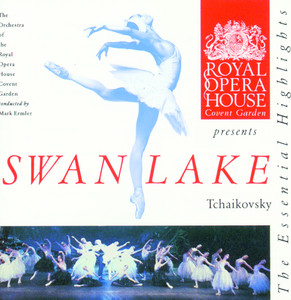 | Swan Lake, Op. 20: No. 2 Valse | Pyotr Ilyich Tchaikovsky, Orchestra of the Royal Opera House, Covent Garden, Mark Ermler | A Major | 1 | 11B | 96 BPM | |
 | Dance Of The Comedians | Bedřich Smetana, Symphony Orchestra Of Canada, Stefanos Karabekos | C Major | 3 | 8B | 76 BPM | |
 | Radetzky March, Op. 228: Radesky March | Johann Strauss I, Edmonton Symphony Orchestra, Uri Mayer | A Major | 3 | 11B | 114 BPM | |
 | Peter and the Wolf, Op. 67: The Bird | Sergei Prokofiev, Slovak Radio Symphony Orchestra, Ondrej Lenard | C Major | 0 | 8B | 99 BPM | |
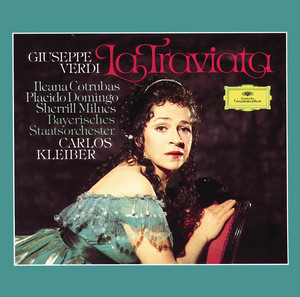 | La Traviata / Act 1: Libiamo ne'lieti calici | Giuseppe Verdi, Ileana Cotrubas, Plácido Domingo, Chor der Bayerischen Staatsoper München, Bavarian State Orchestra, Carlos Kleiber | B♭ Major | 2 | 6B | 113 BPM | |
 | Haydn: Cello Concerto No. 1 in C Major, Hob. VIIb, 1: I. Moderato (Cadenza by Britten) | Franz Joseph Haydn, Mstislav Rostropovich, Academy of St. Martin in the Fields | C Major | 1 | 8B | 68 BPM | |
 | Feuerfest Polka, Op. 269 | Royal Philharmonic Orchestra | D Major | 4 | 10B | 94 BPM | |
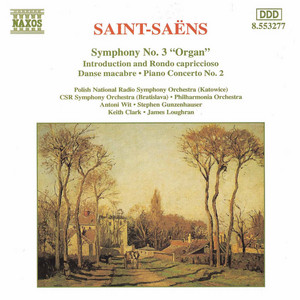 | Danse macabre in G Minor, Op. 40 | Camille Saint-Saëns, Slovak Radio Symphony Orchestra, Keith Clark | G Minor | 2 | 6A | 116 BPM | |
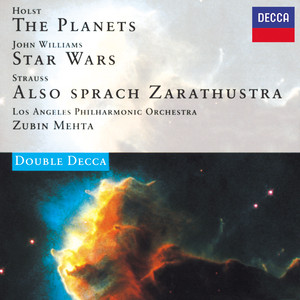 | The Planets, Op. 32: IV. Jupiter, the Bringer of Jollity | Gustav Holst, Los Angeles Philharmonic, Zubin Mehta | G Minor | 3 | 6A | 135 BPM | |
 | Tales of Hoffmann - Barcarolle | Arthur Fiedler, Jacques Offenbach, Boston Pops Orchestra | D Major | 2 | 10B | 74 BPM | |
 | Salut For August Bournonville, Galop (1869) | Hans Christian Lumbye, Tivoli Symphony Orchestra | D Major | 3 | 10B | 161 BPM |
- ISRC
- DEF058902871
- Label
- L-M Records/RCA Records