- BPM
- 114
- Key
- F♯ Major
- Camelot
- 2B
Rhapsody on a Theme of Paganini, Op. 43: Var. 17. Allegretto by Sergei Rachmaninoff, Yuja Wang, Los Angeles Philharmonic, Gustavo Dudamel Song Details
"Rhapsody on a Theme of Paganini, Op. 43: Var. 17. Allegretto" by Sergei Rachmaninoff, Yuja Wang, Los Angeles Philharmonic, Gustavo Dudamel had its release date on September 1, 2023. With This song being less than two minutes long, at 1:41, we are fairly confident that this song is not explicit and is safe for all ages. Based on the duration of this song, this song duration is much smaller than the average song duration. There are a total of 37 in the song's album "Rachmaninoff: The Piano Concertos & Paganini Rhapsody". In this album, this song's track order is #27. Furthermore, we believe that the track originated from Germany. In terms of popularity, Rhapsody on a Theme of Paganini, Op. 43: Var. 17. Allegretto is currently below average in popularity. In our opinion, the overall tone is not very danceable and projects negative sounds, such as being sad, depressed, or angry.
BPM and Tempo
With Rhapsody on a Theme of Paganini, Op. 43: Var. 17. Allegretto by Sergei Rachmaninoff, Yuja Wang, Los Angeles Philharmonic, Gustavo Dudamel having a BPM of 114 with a half-time of 57 BPM and a double-time of 228 BPM, we would consider this track to have a Moderato (at a moderate speed) tempo marking. Because of this, we believe that the song has an overall moderate tempo. The time signature for this track is 4/4.
Music Key
This song has a musical key of F♯ Major. Or for those who are familiar with the camelot wheel, this song has a camelot key of 2B. So, the perfect camelot match for 2B would be either 2B or 3A. While, 3B can give you a low energy boost. For moderate energy boost, you would use 11B and a high energy boost can either be 4B or 9B. Though, if you want a low energy drop, you should looking for songs with either a camelot key of 2A or 1B will give you a low energy drop, 5B would be a moderate one, and 12B or 7B would be a high energy drop. Lastly, 11A allows you to change the mood.
Want to find the BPM and music key for other songs? Check out our BPM and Key Finder page!
- Popularity
- 28%
- Loudness
- -27.23 dB
- Acousticness
- 98%
- Danceability
- 25%
- Energy
- 2%
- Instrumentalness
- 90%
- Liveness
- 11%
- Loudness
- 55%
- Speechiness
- 4%
- Valence
- 4%
Recommendations
| Track | Artist | Key | Energy | Camelot | BPM | ||
|---|---|---|---|---|---|---|---|
 | Piano Concerto No. 3, Sz. 119: III. Allegro vivace | Béla Bartók, Géza Anda, Deutsches Symphonie-Orchester Berlin, Ferenc Fricsay | B Major | 2 | 1B | 150 BPM | |
 | 21 Hungarian Dances, WoO 1: No. 6 in D-Flat Major - Arr. for Piano by György Cziffra | Johannes Brahms, Alessio Bax | A♭ Major | 0 | 4B | 66 BPM | |
 | Symphony No. 2 in C minor - "Resurrection" / 5th Movement: Sehr langsam und gedehnt ("der grosse Appell") | Gustav Mahler, Wiener Philharmoniker, Gilbert Kaplan | D♭ Minor | 0 | 12A | 67 BPM | |
 | Piano Concerto No. 2 in C Minor, Op. 50: II. Romanza. Andante con moto | Nikolai Medtner, Geoffrey Tozer, Neeme Järvi, London Philharmonic Orchestra | A♭ Major | 2 | 4B | 86 BPM | |
 | Variations On A Theme By Paganini, Op.35 / Book 2: Variation XII: Un poco Andante | Johannes Brahms, Yuja Wang | F Major | 0 | 7B | 71 BPM | |
 | 組曲「ドリー」 Op.56: III. ドリーの庭 | Gabriel Fauré, 原博巳, 大石将紀, 貝沼拓実, 伊藤富美恵 | E♭ Major | 0 | 5B | 68 BPM | |
 | Dvořák: From the Bohemian Forest, Op. 68: No. 5, Silent Woods, B. 182 (Version for Cello and Orchestra) | Antonín Dvořák, Jacqueline du Pré, Daniel Barenboim, Chicago Symphony Orchestra | D♭ Major | 1 | 3B | 125 BPM | |
 | Contes bleus, No. 2 Op. 122 | Cécile Chaminade, Eric Parkin | E♭ Major | 1 | 5B | 110 BPM | |
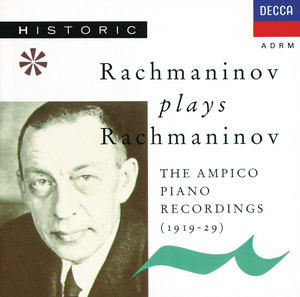 | Polka de W.R. | Franz Behr, Sergei Rachmaninoff | A♭ Major | 1 | 4B | 131 BPM | |
 | 3 Preludi Sopra Melodie Gregoriane, P. 131: III. Lento | Ottorino Respighi, Konstantin Scherbakov | F♯ Minor | 0 | 11A | 66 BPM | |
 | Rhapsody on a Theme of Paganini, Op. 43: Variation No. 16 Allegretto | Sergei Rachmaninoff, Daniil Trifonov, Philadelphia Orchestra, Yannick Nézet-Séguin | E♭ Minor | 0 | 2A | 108 BPM | |
 | Piano Concerto No. 3, Sz. 119: I. Allegretto | Béla Bartók, Vladimir Ashkenazy, London Philharmonic Orchestra, Sir Georg Solti | F♯ Minor | 2 | 11A | 82 BPM | |
| Piano Concerto No. 2 in C Minor, Op. 50: III. Divertimento. Allegro risoluto e molto vivace | Nikolai Medtner, Geoffrey Tozer, Neeme Järvi, London Philharmonic Orchestra | F♯ Major | 1 | 2B | 105 BPM | |
 | Preludes, Op. 31: No. 15 Dans le genre gothique | Charles-Valentin Alkan, Mao Fujita | G Major | 1 | 9B | 82 BPM | |
 | Petrouchka - Three Movements for Piano (1921) / Scene 4: The Shrovetide Fair | Igor Stravinsky, Yuja Wang | A Minor | 2 | 8A | 128 BPM | |
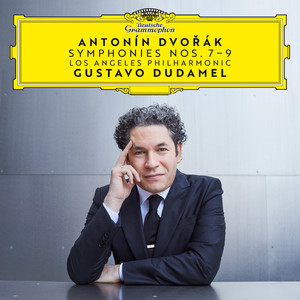 | Symphony No. 7 in D Minor, Op. 70, B. 141: III. Scherzo. Vivace | Antonín Dvořák, Los Angeles Philharmonic, Gustavo Dudamel | C Major | 1 | 8B | 127 BPM | |
| Rachmaniana: I. Andante improvizato | Daniil Trifonov | E Minor | 0 | 9A | 63 BPM | |
| Antiche Danze Ed Arie Per Liuto (Ancient Airs And Dances), P. 114: VI. Passacaglia | Ottorino Respighi, Konstantin Scherbakov | G Minor | 2 | 6A | 96 BPM | |
 | Smetana: Piano Trio in G Minor, Op. 15: III. Finale. Presto | Bedřich Smetana, Trio Bohémo | E♭ Major | 1 | 5B | 77 BPM | |
 | Remember Me (Arr. Hough for Piano) - From "Coco" | Stephen Hough | F Major | 0 | 7B | 85 BPM | |
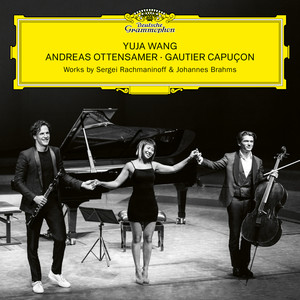 | Clarinet Trio in A Minor, Op. 114: III. Andantino grazioso | Johannes Brahms, Andreas Ottensamer, Gautier Capuçon, Yuja Wang | A Minor | 1 | 8A | 104 BPM | |
| Piano Concerto No. 3 in E Minor, Op. 60, "Ballade": II. Interludium. Allegro, molto sostenuto | Nikolai Medtner, Geoffrey Tozer, Neeme Järvi, London Philharmonic Orchestra | F♯ Major | 1 | 2B | 105 BPM | |
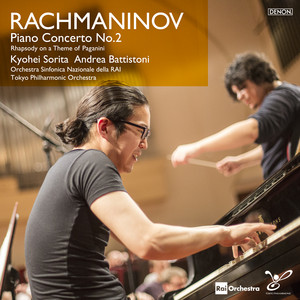 | パガニーニの主題による狂詩曲 第22変奏 | Sergei Rachmaninoff, Kyohei Sorita, Andrea Battistoni, Tokyo Philharmonic Orchestra | B♭ Major | 3 | 6B | 100 BPM | |
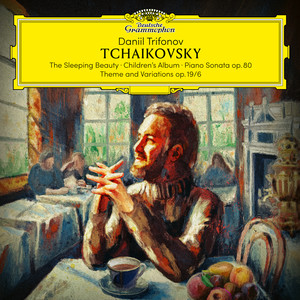 | Piano Sonata (No. 2) in C-Sharp Minor, Op. 80: II. Andante | Pyotr Ilyich Tchaikovsky, Daniil Trifonov | D Major | 2 | 10B | 102 BPM | |
 | Piano Concerto in A Minor, Op. 7: II. Romanze. Andante non troppo con grazia – | Clara Schumann, Tasmanian Symphony Orchestra, Howard Shelley | F Major | 0 | 7B | 72 BPM |
- ISRC
- DEN962332318
- Label
- L-M Records/RCA Records