- BPM
- 115
- Key
- F Major
- Camelot
- 7B
Pavane pour une infante défunte, M. 19 (Arr. For Brass Band) by Maurice Ravel, Grimethorpe Colliery Band, Major Peter Parkes Song Details
"Pavane pour une infante défunte, M. 19 (Arr. For Brass Band)" by Maurice Ravel, Grimethorpe Colliery Band, Major Peter Parkes had its release date on August 1, 1996. Since This song is still less than 10 minute long, it is still considered a pretty long duration song compared to the average song length. This song does not appear to be explicit due to the lack of the "E" tag. The song is number 12 out of 17 in French Bonbons by Grimethorpe Colliery Band, Major Peter Parkes. Going off of the ISRC code of this track, we detected that the origin of this track is from United Kingdom. In terms of popularity, Pavane pour une infante défunte, M. 19 (Arr. For Brass Band) is currently unknown. In our opinion, the overall tone is not very danceable and projects negative sounds, such as being sad, depressed, or angry.
BPM and Tempo
The tempo marking of Pavane pour une infante défunte, M. 19 (Arr. For Brass Band) by Maurice Ravel, Grimethorpe Colliery Band, Major Peter Parkes is Moderato (at a moderate speed), since this song has a tempo of 115 BPM. With that information, we can conclude that the song has a moderate tempo. This song can go great with walking. The time signature for this track is 4/4.
Music Key
This song is in the music key of F Major. This also means that this song has a camelot key of 7B. So, the perfect camelot match for 7B would be either 7B or 8A. While, 8B can give you a low energy boost. For moderate energy boost, you would use 4B and a high energy boost can either be 9B or 2B. Though, if you want a low energy drop, you should looking for songs with either a camelot key of 7A or 6B will give you a low energy drop, 10B would be a moderate one, and 5B or 12B would be a high energy drop. Lastly, 4A allows you to change the mood.
Want to find the BPM and music key for other songs? Check out our BPM and Key Finder page!
- Popularity
- 0%
- Loudness
- -19.781 dB
- Acousticness
- 96%
- Danceability
- 29%
- Energy
- 14%
- Instrumentalness
- 88%
- Liveness
- 7%
- Loudness
- 67%
- Speechiness
- 4%
- Valence
- 13%
Recommendations
| Track | Artist | Key | Energy | Camelot | BPM | ||
|---|---|---|---|---|---|---|---|
 | 3 Hungarian Folksongs from the Csìk District, BB 45b, Sz. 35a | Béla Bartók, Zoltán Kocsis | F♯ Minor | 0 | 11A | 62 BPM | |
 | Rachmaninov: 10 Preludes, Op. 23: No. 5 in G Minor | Sergei Rachmaninoff, Nikolai Lugansky | G Minor | 1 | 6A | 113 BPM | |
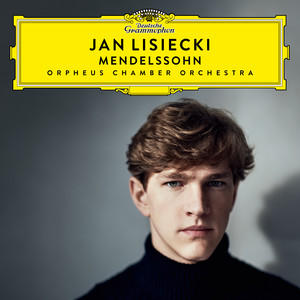 | Lieder ohne Worte, Op. 19: No. 6 in G Minor (Andante sostenuto) "Venetian Gondola Song", MWV U78 | Felix Mendelssohn, Jan Lisiecki | G Minor | 0 | 6A | 168 BPM | |
 | Fauré: Pavane, Op. 50 (Instrumental Version) | Gabriel Fauré, Sir Neville Marriner, Academy of St. Martin in the Fields | F♯ Minor | 1 | 11A | 70 BPM | |
 | Jeux d'enfants, Op. 22: No. 3, La poupée | Georges Bizet, Katia Labèque, Marielle Labèque | B Major | 0 | 1B | 64 BPM | |
 | Nocturne No. 4 in E-Flat Major, Op. 36 | Gabriel Fauré, Jean Martin | E♭ Major | 0 | 5B | 62 BPM | |
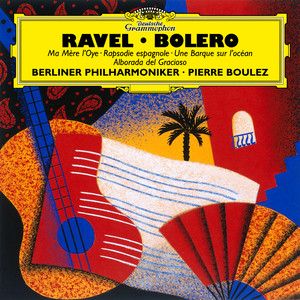 | Ma mère l'oye, Ballet, M. 62: XI. Apothéose. Le jardin féerique | Maurice Ravel, Berliner Philharmoniker, Pierre Boulez | C Major | 0 | 8B | 83 BPM | |
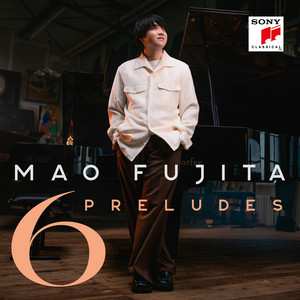 | Prélude, Fugue et Variation, Op. 18: I. Prélude. Andantino | César Franck, Mao Fujita | A Major | 3 | 11B | 80 BPM | |
 | 3 Gymnopédies: No. 1, Lent et douloureux (Orch. C. Debussy) | Erik Satie, Orchestre Symphonique et Lyrique de Nancy, Jerome Kaltenbach | G Major | 0 | 9B | 136 BPM | |
 | Nocturne No. 14 in G Major, H. 58 | John Field, Alice Sara Ott | F Major | 0 | 7B | 67 BPM | |
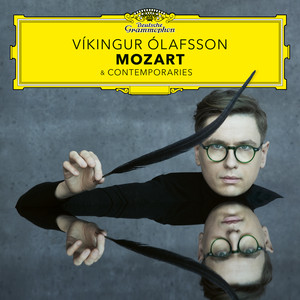 | Sonata No. 42 in D Minor (Arr. Ólafsson) | Domenico Cimarosa, Víkingur Ólafsson | D Minor | 0 | 7A | 61 BPM | |
 | Aus aller Herren Landern (From Foreign Lands), Op. 23: II. Italian: Presto | Moritz Moszkowski, Markus Pawlik, Polish National Radio Symphony Orchestra, Antoni Wit | E Major | 2 | 12B | 171 BPM | |
 | Minuet in A major, D. 334 | Franz Schubert, Arcadi Volodos | A Major | 0 | 11B | 92 BPM | |
 | Poulenc: Piano Concerto in C-Sharp Minor, FP 146: II. Andante con moto | Francis Poulenc, James Conlon, Rotterdam Philharmonic Orchestra | E♭ Major | 0 | 5B | 175 BPM | |
 | 6 Piano Pieces, Op. 118: No. 2, Intermezzo in A Major | Johannes Brahms, Radu Lupu | D Minor | 0 | 7A | 135 BPM | |
 | Three Visions: II. Summerland | William Grant Still, Jeneba Kanneh-Mason | A♭ Minor | 2 | 1A | 112 BPM | |
 | Rosa Mundi | Paul Lewis, Royal Ballet Sinfonia, Gavin Sutherland | E Major | 0 | 12B | 81 BPM | |
 | Romeo and Juliette, Op. 64 (Arr. for Viola and Piano by Vadim Borisovsky, Orchestration for Viola and String Orchestra by François Vallières): Introduction | Sergei Prokofiev, Elvira Misbakhova, I Musici de Montréal, Jean-François Rivest | D Major | 1 | 10B | 99 BPM | |
 | Piano Concerto No. 2 in F Major, Op. 102: II. Andante | Dmitri Shostakovich, I Musici de Montréal, Maxim Shostakovich | C Minor | 0 | 5A | 177 BPM | |
 | Suite bergamasque, L. 75: 3. Clair de lune | Claude Debussy, Daniel Barenboim | D♭ Major | 0 | 3B | 66 BPM | |
 | 3 Gymnopédies: No. 1 in D Major: Lent et douloureux | Erik Satie, Pascal Rogé | G Major | 0 | 9B | 82 BPM | |
 | Over the Mountains High (Arr. J. Lloyd Webber for cello and piano) | Frederick Delius, Julian Lloyd Webber, John Lenehan | D Minor | 1 | 7A | 100 BPM | |
 | Consolation No. 3 in D-Flat Major, S. 172/3 | Franz Liszt, Vladimir Horowitz | D♭ Major | 0 | 3B | 70 BPM | |
| 4 Piano Pieces, Op. 119: No. 1, Intermezzo in B Minor | Johannes Brahms, Radu Lupu | B Minor | 0 | 10A | 69 BPM | |
 | Capriol Suite: 5. Pied-en- l'air | Peter Warlock, Academy of St. Martin in the Fields, Nicholas Kraemer, Sir Neville Marriner | G Major | 1 | 9B | 113 BPM |
- ISRC
- GBLWD9607612
- Label
- L-M Records/RCA Records