- BPM
- 84
- Key
- F Minor
- Camelot
- 4A
Overture Ruy Blas, Op. 95 by Felix Mendelssohn, London Symphony Orchestra, John Eliot Gardiner Song Details
"Overture Ruy Blas, Op. 95" by Felix Mendelssohn, London Symphony Orchestra, John Eliot Gardiner had its release date on May 4, 2015. Since This song is still less than 10 minute long, it is still considered a pretty long duration song compared to the average song length. This song does not appear to be explicit due to the lack of the "E" tag. The track order of this song in Felix Mendelssohn, London Symphony Orchestra, John Eliot Gardiner's "Mendelssohn: Symphony No. 5 "Reformation", Overture Ruy Blas, Calm Sea & Prosperous Voyage" album is number 1 out of 6. On top of that, United Kingdom appears to be the country where this track was created. Overture Ruy Blas, Op. 95 is not that popular right now. In our opinion, the overall tone is not very danceable and projects negative sounds, such as being sad, depressed, or angry.
BPM and Tempo
We consider the tempo marking of Overture Ruy Blas, Op. 95 by Felix Mendelssohn, London Symphony Orchestra, John Eliot Gardiner to be Andante (at a walking pace) because the track has a tempo of 84 BPM, a half-time of 42BPM, and a double-time of 168 BPM. Based on that, the speed of the song's tempo is slow. The time signature for this track is 4/4.
Music Key
F Minor is the music key of this track. Because this track belongs in the F Minor key, the camelot key is 4A. So, the perfect camelot match for 4A would be either 4A or 3B. While, a low energy boost can consist of either 4B or 5A. For moderate energy boost, you would use 1A and a high energy boost can either be 6A or 11A. However, if you are looking for a low energy drop, finding a song with a camelot key of 3A would be a great choice. Where 7A would give you a moderate drop, and 2A or 9A would be a high energy drop. Lastly, 7B allows you to change the mood.
Want to find the BPM and music key for other songs? Check out our BPM and Key Finder page!
- Popularity
- 9%
- Loudness
- -18.17 dB
- Acousticness
- 79%
- Danceability
- 8%
- Energy
- 22%
- Instrumentalness
- 90%
- Liveness
- 10%
- Loudness
- 70%
- Speechiness
- 4%
- Valence
- 4%
Recommendations
| Track | Artist | Key | Energy | Camelot | BPM | ||
|---|---|---|---|---|---|---|---|
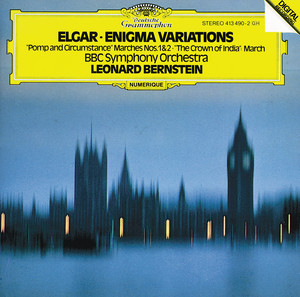 | Enigma Variations, Op. 36: Var. 1. L'istesso tempo "C.A.E." | Edward Elgar, BBC Symphony Orchestra, Leonard Bernstein | G Minor | 0 | 6A | 81 BPM | |
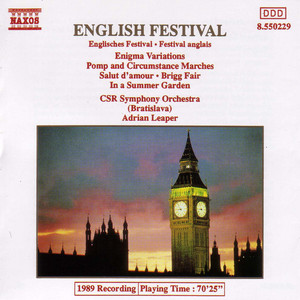 | Salut d'amour, Op. 12 (version for orchestra) | Edward Elgar, Slovak Radio Symphony Orchestra, Adrian Leaper | B♭ Major | 1 | 6B | 82 BPM | |
 | Lieder ohne Worte, Book 1, Op. 19b: I. Andante con moto, MWV U86 | Felix Mendelssohn, Javier Perianes | E Major | 0 | 12B | 95 BPM | |
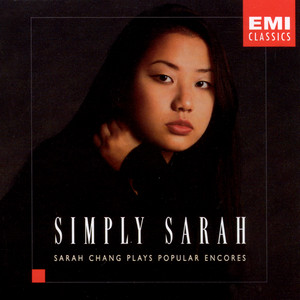 | On The Wings Of Song Op. 34 No. 2 | Felix Mendelssohn, Sarah Chang, Charles Abramovic | D Major | 1 | 10B | 84 BPM | |
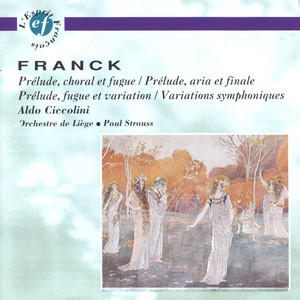 | Franck: Prélude, fugue et variation, Op. 18, FWV 30: Prélude | César Franck, Aldo Ciccolini | B Minor | 0 | 10A | 127 BPM | |
 | Souvenir d'un lieu cher, Op. 42: 3. Mélodie | Pyotr Ilyich Tchaikovsky, Janine Jansen, Mahler Chamber Orchestra, Daniel Harding | E♭ Major | 0 | 5B | 99 BPM | |
 | Gottes Zeit ist die allerbeste Zeit, BWV 106 "Actus tragicus": I. Sonatina | Johann Sebastian Bach, Márta Kurtág, György Kurtág | F Major | 3 | 7B | 102 BPM | |
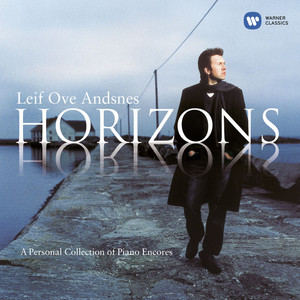 | Mendelssohn: 6 Lieder ohne Worte, Book 6, Op. 67: II. Allegro leggiero | Felix Mendelssohn, Leif Ove Andsnes | F♯ Minor | 1 | 11A | 182 BPM | |
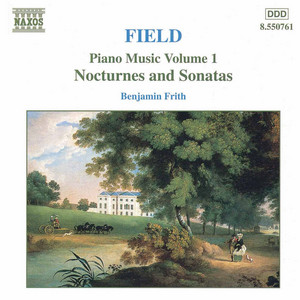 | Nocturne No. 1 in E-Flat Major, H. 24 | John Field, Benjamin Frith | E♭ Major | 0 | 5B | 73 BPM | |
 | Brahms: 6 Piano Pieces, Op. 118: No. 2, Intermezzo in A Major | Johannes Brahms, Martin James Bartlett | B♭ Major | 1 | 6B | 129 BPM | |
 | Orfeo ed Euridice (Orphée et Eurydice) - Arranged by Wilhelm Kempff: Ronde des esprits bienheureux | Christoph Willibald Gluck, Wilhelm Kempff | F Major | 0 | 7B | 73 BPM | |
 | Pavane, Op. 50 (Version for Piano) | Gabriel Fauré, Jorge Federico Osorio | F♯ Minor | 0 | 11A | 75 BPM | |
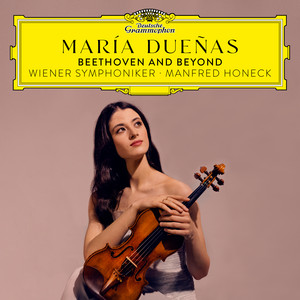 | 3 Old Viennese Dances: No. 2, Liebesleid (Transcr. for Violin and Orchestra) | Fritz Kreisler, María Dueñas, Wiener Symphoniker, Manfred Honeck | G Major | 0 | 9B | 103 BPM | |
 | The Lark | Mikhail Glinka, Evgeny Kissin | B♭ Minor | 0 | 3A | 96 BPM | |
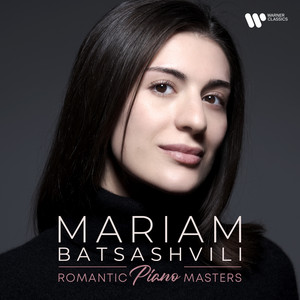 | Liszt: Lieder aus Franz Schubert's "Schwanengesang", S. 560: No. 7 Ständchen | Franz Liszt, Mariam Batsashvili | A Minor | 1 | 8A | 120 BPM | |
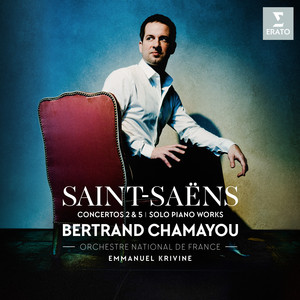 | Saint-Saëns: Piano Concerto No. 2 in G Minor, Op. 22: I. Andante sostenuto | Camille Saint-Saëns, Bertrand Chamayou, Emmanuel Krivine, Orchestre National De France | G Minor | 2 | 6A | 94 BPM | |
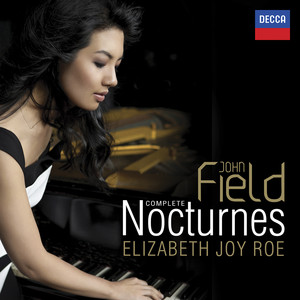 | Nocturne No. 1 in E-Flat Major, H. 24 | John Field, Elizabeth Joy Roe | E♭ Major | 0 | 5B | 75 BPM | |
 | Gli uccelli (The Birds), P. 154: V. Il cucu. Allegro | Ottorino Respighi, Chamber Orchestra of New York, Salvatore Di Vittorio | A Major | 1 | 11B | 181 BPM | |
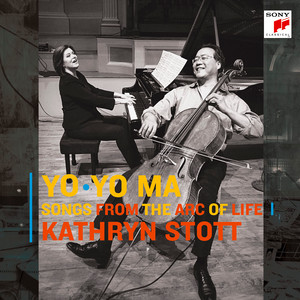 | Songs My Mother Taught Me (from "Gypsy Songs", Op. 55, No. 4) | Antonín Dvořák, Yo-Yo Ma, Kathryn Stott | B Minor | 0 | 10A | 92 BPM | |
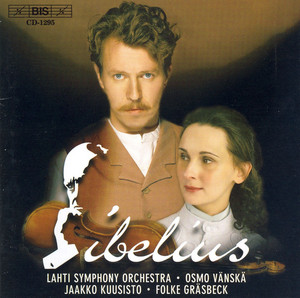 | Andante festivo, JS 34b (Version for String Orchestra & Timpani) | Jean Sibelius, Sinfonia Lahti, Osmo Vänskä | G Major | 2 | 9B | 57 BPM | |
 | Haydn: Cello Concerto No. 1 in C Major, Hob. VIIb, 1: II. Adagio (Cadenza by Britten) | Franz Joseph Haydn, Mstislav Rostropovich, Academy of St. Martin in the Fields | F Major | 1 | 7B | 124 BPM | |
 | Lieder ohne Worte I, Op. 19b: III. Molto allegro e vivace, MWV U89 "Hunting Song" | Felix Mendelssohn, Daniel Barenboim | A Major | 2 | 11B | 93 BPM | |
 | 10 Pieces, Op. 12: No. 7, Prelude | Sergei Prokofiev, Olli Mustonen | C Major | 1 | 8B | 76 BPM | |
 | Cello Concerto No. 1 in A Minor, Op. 33: I. Allegro non troppo | Camille Saint-Saëns, Mischa Maisky, Orpheus Chamber Orchestra | F Major | 2 | 7B | 131 BPM | |
 | Concerto No. 2 for Piano and Orchestra, Op. 102: II. Andante - 2017 Remastered Version | Dmitri Shostakovich, Leonard Bernstein, New York Philharmonic | F Major | 1 | 7B | 172 BPM |
- ISRC
- GBDGQ1526801
- Label
- L-M Records/RCA Records