- BPM
- 138
- Key
- G Minor
- Camelot
- 6A
Mai Op.1, No2 by Gabriel Fauré, Elg, Grete Hell Rasmussen, Helge Havsgård Sunde Song Details
"Mai Op.1, No2" by Gabriel Fauré, Elg, Grete Hell Rasmussen, Helge Havsgård Sunde had its release date on June 20, 2000. The duration of This song is about 3 minutes long, at 3:08. Based on our data, This song appears to be safe for all ages and is not considered explicit. This track is about the average length of a typical track. There are a total of 15 in the song's album "Remembrance". In this album, this song's track order is #2. Furthermore, we believe that the track originated from Norway. Based on our statistics, Mai Op.1, No2's popularity is unknown right now. In our opinion, the overall tone is not very danceable and projects negative sounds, such as being sad, depressed, or angry.
BPM and Tempo
With Mai Op.1, No2 by Gabriel Fauré, Elg, Grete Hell Rasmussen, Helge Havsgård Sunde having a BPM of 138 with a half-time of 69 BPM and a double-time of 276 BPM, we would consider this track to have a Allegro (fast, quick, and bright) tempo marking. Because of this, we believe that the song has an overall fast tempo. Looking at the BPM of this song, this song might go great with walking. The time signature for this track is 3/4.
Music Key
This song is in the music key of G Minor. Which also means that the camelot key for this song is 6A. So, the perfect camelot match for 6A would be either 6A or 5B. While, a low energy boost can consist of either 6B or 7A. For moderate energy boost, you would use 3A and a high energy boost can either be 8A or 1A. However, if you are looking for a low energy drop, finding a song with a camelot key of 5A would be a great choice. Where 9A would give you a moderate drop, and 4A or 11A would be a high energy drop. Lastly, 9B allows you to change the mood.
Want to find the BPM and music key for other songs? Check out our BPM and Key Finder page!
- Popularity
- 0%
- Loudness
- -22.53 dB
- Acousticness
- 99%
- Danceability
- 24%
- Energy
- 1%
- Instrumentalness
- 3%
- Liveness
- 8%
- Loudness
- 62%
- Speechiness
- 4%
- Valence
- 6%
Recommendations
| Track | Artist | Key | Energy | Camelot | BPM | ||
|---|---|---|---|---|---|---|---|
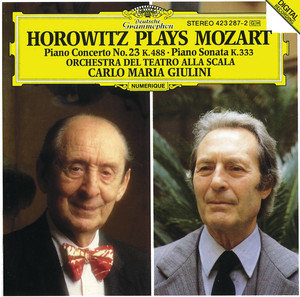 | Piano Concerto No. 23 in A Major, K. 488: II. Adagio | Wolfgang Amadeus Mozart, Vladimir Horowitz, Orchestra Del Teatro Alla Scala, Milano, Carlo Maria Giulini | F♯ Minor | 0 | 11A | 108 BPM | |
 | Cello Sonata in D Major, Op. 17: II. Andante tranquillo | Luise Adolpha Le Beau, Steven Isserlis, Connie Shih | B Minor | 1 | 10A | 86 BPM | |
 | Stille Musik: III. Augenblicke der Serenade | Valentin Silvestrov | C Major | 0 | 8B | 86 BPM | |
 | Liebeslied "Widmung, von Robert Schumann", S. 566 (After Myrthen, Op. 25/1) | Franz Liszt, Angela Hewitt | G Major | 0 | 9B | 63 BPM | |
 | 6 Studies in English Folksong (Version for Cello & Piano): No. 3, Larghetto "Van Dieman's Land" | Ralph Vaughan Williams, Gerald Peregrine, Antony Ingham | D Minor | 0 | 7A | 81 BPM | |
 | Scottish Fantasy for Violin and Orchestra, Op. 46: I. Introduction: Grave, Adagio cantabile | Max Bruch, Joshua Bell, Academy of St. Martin in the Fields | E♭ Major | 2 | 5B | 60 BPM | |
 | Fauré: Pavane, Op. 50 (Instrumental Version) | Gabriel Fauré, Sir Neville Marriner, Academy of St. Martin in the Fields | F♯ Minor | 1 | 11A | 70 BPM | |
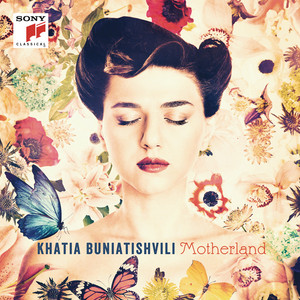 | Intermezzo in B-Flat Minor, Op. 117/2 | Johannes Brahms, Khatia Buniatishvili | D♭ Major | 0 | 3B | 67 BPM | |
 | Lyric Pieces, Book VI, Op. 57: No. 6, Hjemve. Andante | Edvard Grieg, Javier Perianes | E Minor | 0 | 9A | 166 BPM | |
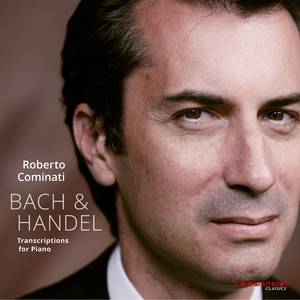 | Minuet in G Minor, HWV 434 No. 4 (Transc. W. Kempff) | George Frideric Handel, Roberto Cominati | G Minor | 0 | 6A | 66 BPM | |
 | Pièces brèves, Op. 84: V. Improvisation in C-Sharp Minor | Gabriel Fauré, Kun-Woo Paik | D♭ Major | 0 | 3B | 74 BPM | |
 | Canción | Manuel de Falla, Javier Perianes | C Minor | 0 | 5A | 76 BPM | |
 | 7 Peces de joventut (Youthful Pieces): Record | Manuel Blancafort, Miquel Villalba | F♯ Minor | 0 | 11A | 138 BPM | |
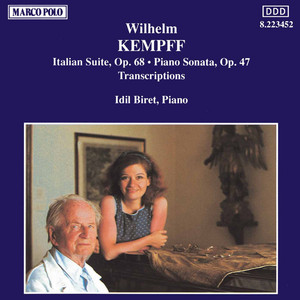 | Keyboard Suite No. 1 in B-Flat Major, HWV 434: IV. Minuet (Arr. W. Kempff for Piano) | George Frideric Handel, Idil Biret | G Minor | 0 | 6A | 73 BPM | |
 | Pavane, Op. 50 (Arr. for Saxophone and Orchestra) | Amy Dickson, Gabriel Fauré, London Session Orchestra, Chris Walden | F♯ Minor | 1 | 11A | 117 BPM | |
 | Romance "O pourquoi donc" in E Minor, S. 169 | Franz Liszt, Lang Lang | E Minor | 0 | 9A | 67 BPM | |
 | Satie: 3 Gymnopédies: I. Lent et douloureux in D Major and D Minor (Orch. Debussy) | Erik Satie, Orchestre Du Capitole De Toulouse, Michel Plasson | A Minor | 0 | 8A | 68 BPM | |
 | 4 Lieder, Op. 82, B. 157: I. Lasst mich allein. Andante (Arr. Soltani For Solo Cello and Cello Ensemble) | Antonín Dvořák, Kian Soltani, Staatskapelle Berlin, Cellists, Otto Tolonen | B Major | 0 | 1B | 140 BPM | |
 | I. Prélude. Andantino | César Franck, Jean-Pierre Armengaud | D Major | 0 | 10B | 66 BPM | |
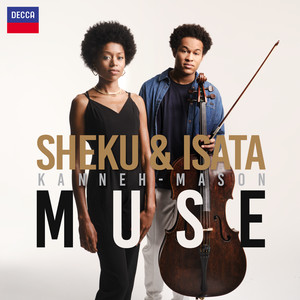 | Sure on This Shining Night, Op. 13 No. 3 (Arr. Parkin for Cello and Piano) | Samuel Barber, Sheku Kanneh-Mason, Isata Kanneh-Mason | B♭ Major | 0 | 6B | 113 BPM | |
 | La Vierge / Scene 4: The Assumption: Le dernier sommeil de la Vièrge (The Last Sleep of the Virgin) | Jules Massenet, The New Symphony Orchestra Of London, Raymond Agoult | G Major | 1 | 9B | 168 BPM | |
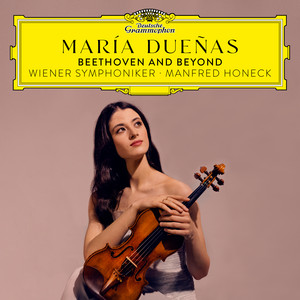 | 3 Old Viennese Dances: No. 2, Liebesleid (Transcr. for Violin and Orchestra) | Fritz Kreisler, María Dueñas, Wiener Symphoniker, Manfred Honeck | G Major | 0 | 9B | 103 BPM | |
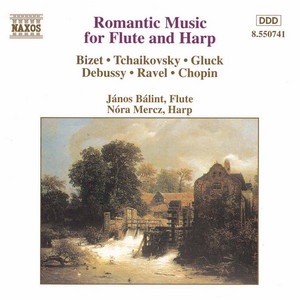 | Sadko: Hindu Song (arr. N. Mercz): Hindu Song from the Opera 'Sadko' | Nora Mercz, Nikolai Rimsky-Korsakov, Janos Balint | F Major | 0 | 7B | 65 BPM | |
 | Nisi Dominus, RV 608 - Arr. Cello: 4. Cum dederit dilectis suis (Arr. Cello) | Antonio Vivaldi, Harriet Krijgh, Amsterdam Sinfonietta, Candida Thompson | G Minor | 0 | 6A | 106 BPM | |
 | Nocturne No. 6 in D-Flat Major, Op. 63 | Gabriel Fauré, Jean Martin | D♭ Major | 1 | 3B | 69 BPM |
- ISRC
- NOFZS0002020
- Label
- L-M Records/RCA Records