- BPM
- 91
- Key
- C Minor
- Camelot
- 5A
Appalachian Spring (Ballet for Martha): Display of Action by Aaron Copland Song Details
Aaron Copland's ' "Appalachian Spring (Ballet for Martha): Display of Action" was released on its scheduled release date, May 11, 1993. The duration of This song is about two minutes long, specifically at 2:55. This song does not appear to have any foul language. Appalachian Spring (Ballet for Martha): Display of Action's duration is considered a little bit shorter than the average duration of a typical track. The song is number 2 out of 19 in Composers Conduct Appalachian Spring; The Tender Land: Suite; Fall River Legend by Aaron Copland. Going off of the ISRC code of this track, we detected that the origin of this track is from United States. In terms of popularity, Appalachian Spring (Ballet for Martha): Display of Action is currently not that popular. The overall mood can be danceable to some, especially with it's high amount of postive energy.
BPM and Tempo
The tempo marking of Appalachian Spring (Ballet for Martha): Display of Action by Aaron Copland is Andante (at a walking pace), since this song has a tempo of 91 BPM. With that information, we can conclude that the song has a slow tempo. This song can go great with yoga or pilates. The time signature for this track is 4/4.
Music Key
C Minor is the music key of this track. Because this track belongs in the C Minor key, the camelot key is 5A. So, the perfect camelot match for 5A would be either 5A or 4B. While, a low energy boost can consist of either 5B or 6A. For moderate energy boost, you would use 2A and a high energy boost can either be 7A or 12A. However, if you are looking for a low energy drop, finding a song with a camelot key of 4A would be a great choice. Where 8A would give you a moderate drop, and 3A or 10A would be a high energy drop. Lastly, 8B allows you to change the mood.
Want to find the BPM and music key for other songs? Check out our BPM and Key Finder page!
- Popularity
- 1%
- Loudness
- -19.825 dB
- Acousticness
- 80%
- Danceability
- 49%
- Energy
- 34%
- Instrumentalness
- 54%
- Liveness
- 11%
- Loudness
- 67%
- Speechiness
- 4%
- Valence
- 60%
Recommendations
| Track | Artist | Key | Energy | Camelot | BPM | ||
|---|---|---|---|---|---|---|---|
 | Rodeo: No. 4, Saturday Night Waltz | Aaron Copland, Colorado Symphony, Andrew Litton | E♭ Major | 0 | 5B | 68 BPM | |
 | Symphony No. 4 in D Minor: III. Juba Dance | Florence Beatrice Price, Fort Smith Symphony, John Jeter | B♭ Major | 0 | 6B | 69 BPM | |
 | Serenade in D Major: II. Scherzo. Allegro vivace | Dame Ethel Smyth, Odaline de la Martinez, BBC Philharmonic | G Major | 1 | 9B | 148 BPM | |
 | Brook Green Suite, H. 190: I. Prelude. Allegretto | Gustav Holst, Richard Hickox, City of London Sinfonia | C Major | 1 | 8B | 100 BPM | |
 | Montgomery Variations: IV. Dawn in Dixie | Margaret Bonds, Kellen Gray, Royal Scottish National Orchestra | D Minor | 0 | 7A | 168 BPM | |
 | A Midsummer Night's Dream, Incidental Music, Op.61, MWV M 13: No.1 Scherzo | Felix Mendelssohn, Judi Dench, Boston Symphony Orchestra, Seiji Ozawa | G Minor | 2 | 6A | 123 BPM | |
 | Carmen Suite No. 1: Intermezzo | Georges Bizet, Orchestre Symphonique de Montréal, Charles Dutoit | E♭ Major | 0 | 5B | 80 BPM | |
 | Die Walküre: Magic Fire Music | Richard Wagner, George Szell, Cleveland Orchestra | G Major | 2 | 9B | 80 BPM | |
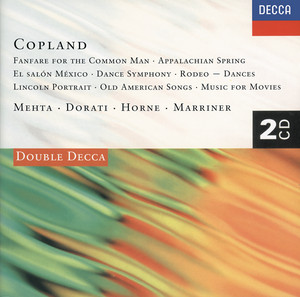 | Fanfare for the Common Man | Aaron Copland, Los Angeles Philharmonic, Zubin Mehta | B♭ Major | 2 | 6B | 73 BPM | |
 | Scottish Fantasy for Violin and Orchestra, Op. 46: II. Scherzo: Allegro | Max Bruch, Joshua Bell, Academy of St. Martin in the Fields | G Major | 2 | 9B | 115 BPM | |
 | In the Steppes of Central Asia | Alexander Borodin, Royal Philharmonic Orchestra, Vladimir Ashkenazy | A Major | 0 | 11B | 69 BPM | |
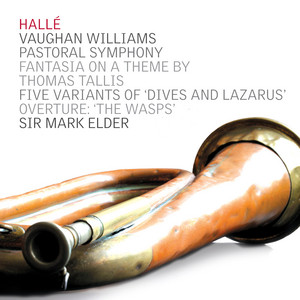 | Symphony No. 3 - 'Pastoral Symphony': II. Lento moderato | Ralph Vaughan Williams, Hallé, Sir Mark Elder | G Minor | 0 | 6A | 103 BPM | |
 | Sibelius: Finlandia, Op. 26 | Jean Sibelius, Herbert von Karajan, Philharmonia Orchestra | A♭ Major | 2 | 4B | 109 BPM | |
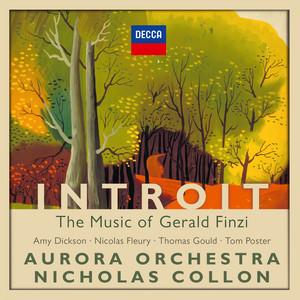 | Love's Labour's Lost, Op. 28: 1. Soliloquy 1: So sweet a kiss the golden sun gives not - Instrumental | Gerald Finzi, Aurora Orchestra, Nicholas Collon | C Minor | 1 | 5A | 99 BPM | |
 | Bizet / Arr. Guiraud: Carmen Suite No. 1: III. Intermezzo | Georges Bizet, Seiji Ozawa, Orchestre National De France | E♭ Major | 0 | 5B | 74 BPM | |
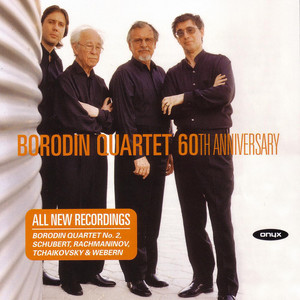 | Borodin - String Quartet No.2 in D major: Notturno: Andante | Alexander Borodin, Borodin Quartet | A Major | 2 | 11B | 74 BPM | |
 | Romeo and Juliet Suite No. 2, Op. 64ter: II. The Young Juliet (Live) | Sergei Prokofiev, Riccardo Muti, Chicago Symphony Orchestra | C Major | 0 | 8B | 77 BPM | |
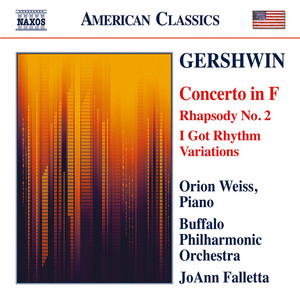 | Piano Concerto in F Major: II. Adagio | George Gershwin, Orion Weiss, Buffalo Philharmonic Orchestra, Joann Falletta | F♯ Major | 0 | 2B | 86 BPM | |
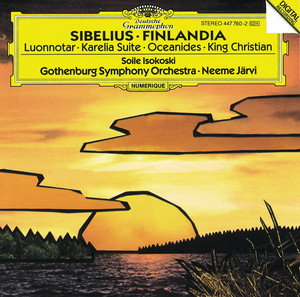 | Karelia Suite, Op.11: 1. Intermezzo (Moderato) | Jean Sibelius, Gothenburg Symphony Orchestra, Neeme Järvi | E♭ Major | 1 | 5B | 182 BPM | |
 | Holberg Suite, Op. 40: 5. Rigaudon (Allegro con brio) | Edvard Grieg, Academy of St. Martin in the Fields, Sir Neville Marriner | G Major | 2 | 9B | 71 BPM | |
 | Sibelius: Symphony No. 5 in E-Flat Major, Op. 82: III. Allegro molto | Jean Sibelius, Sakari Oramo, City Of Birmingham Symphony Orchestra | A♭ Major | 1 | 4B | 149 BPM | |
 | St. Paul's Suite, Op. 29 No. 2: IV. Finale, "the Dargason" | Gustav Holst, English Sinfonia, Howard Griffiths | D♭ Major | 0 | 3B | 66 BPM | |
 | The Waltzing Cat | Leroy Anderson, Simon Tedeschi, Paul Mann, Melbourne Symphony Orchestra | G Major | 1 | 9B | 134 BPM | |
| Billy the Kid: No. 1, Introduction (The Open Prairie) | Aaron Copland, Colorado Symphony, Andrew Litton | D Major | 0 | 10B | 92 BPM | |
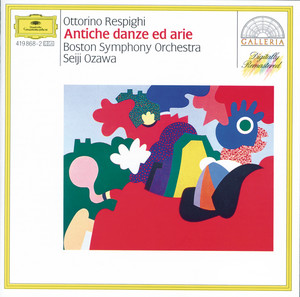 | Ancient Airs & Dances, Suite I, P. 109: I. Balletto detto "Il conte Orlando" (Molinaro) | Ottorino Respighi, Boston Symphony Orchestra, Seiji Ozawa | D Major | 1 | 10B | 120 BPM |
- ISRC
- USBC15900222
- Label
- L-M Records/RCA Records