- BPM
- 85
- Key
- C Minor
- Camelot
- 5A
Suite la triomphante: Gavotte et ses six doubles by Jean-Philippe Rameau, Calefax Reed Quintet Song Details
Jean-Philippe Rameau, Calefax Reed Quintet's 'Suite la triomphante: Gavotte et ses six doubles' had a release date set for January 1, 2006. Since This song is still less than 10 minute long, it is still considered a pretty long duration song compared to the average song length. This song does not appear to be explicit due to the lack of the "E" tag. There are a total of 23 in the song's album "Rameau: Nouvelles Suites". In this album, this song's track order is #8. Furthermore, we believe that the track originated from Germany. Suite la triomphante: Gavotte et ses six doubles is not that popular right now. In our opinion, the overall tone is not very danceable and projects negative sounds, such as being sad, depressed, or angry.
BPM and Tempo
With Suite la triomphante: Gavotte et ses six doubles by Jean-Philippe Rameau, Calefax Reed Quintet having a BPM of 85 with a half-time of 42 BPM and a double-time of 170 BPM, we would consider this track to have a Andante (at a walking pace) tempo marking. Because of this, we believe that the song has an overall slow tempo. Looking at the BPM of this song, this song might go great with yoga or pilates. The time signature for this track is 4/4.
Music Key
This song is in the music key of C Minor. Which also means that the camelot key for this song is 5A. So, the perfect camelot match for 5A would be either 5A or 4B. While, a low energy boost can consist of either 5B or 6A. For moderate energy boost, you would use 2A and a high energy boost can either be 7A or 12A. However, if you are looking for a low energy drop, finding a song with a camelot key of 4A would be a great choice. Where 8A would give you a moderate drop, and 3A or 10A would be a high energy drop. Lastly, 8B allows you to change the mood.
Want to find the BPM and music key for other songs? Check out our BPM and Key Finder page!
- Popularity
- 2%
- Loudness
- -21.516 dB
- Acousticness
- 99%
- Danceability
- 25%
- Energy
- 8%
- Instrumentalness
- 93%
- Liveness
- 12%
- Loudness
- 64%
- Speechiness
- 4%
- Valence
- 30%
Recommendations
| Track | Artist | Key | Energy | Camelot | BPM | ||
|---|---|---|---|---|---|---|---|
 | Carnaval, Op. 9: XII. Chopin | Robert Schumann, Daniil Trifonov | E Major | 0 | 12B | 68 BPM | |
 | 12 Concerti et sinphonie, Op. 1, Symphony No. 5 in F Major: II. Adagio | Giuseppe Antonio Brescianello, La Cetra Barockorchester Basel, David Plantier, Vaclav Luks | F♯ Major | 0 | 2B | 96 BPM | |
 | Concerto grosso in C Minor, Op. 2, No. 1: IV. Allegro | Francesco Geminiani, Capella Istropolitana, Jaroslav Krcek | C Minor | 1 | 5A | 180 BPM | |
 | Concerto Grosso in E Minor, Op. 3, No. 3: I. Allegro | Francesco Onofrio Manfredini, Capella Istropolitana, Jaroslav Krcek | E Minor | 2 | 9A | 102 BPM | |
 | Musiche sacre: No. 23, Canzon à 3 | Francesco Cavalli, London Baroque | A♭ Minor | 1 | 1A | 122 BPM | |
 | Keyboard Sonata in B Minor, Kk. 87 | Domenico Scarlatti, Julius Asal | B Minor | 0 | 10A | 69 BPM | |
 | Concerto grosso No. 1 in B-Flat Major, Op. 3, HWV 312: II. Largo | George Frideric Handel, Akademie für Alte Musik Berlin, Georg Kallweit | F♯ Minor | 1 | 11A | 115 BPM | |
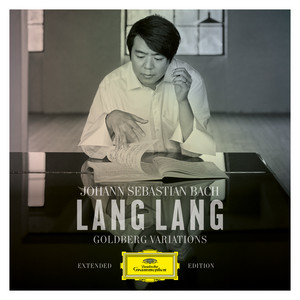 | Goldberg Variations, BWV 988: Aria | Johann Sebastian Bach, Lang Lang | G Major | 0 | 9B | 76 BPM | |
 | 12 Polonaises, F. 12: No. 8 in E Minor | Wilhelm Friedemann Bach, Daniil Trifonov | E Minor | 0 | 9A | 66 BPM | |
 | Harmonia Artificioso Ariosa, Partia V in G Minor, C. 66: Passacaglia | Heinrich Ignaz Franz von Biber, Lautten Compagney, Wolfgang Katschner | F♯ Minor | 1 | 11A | 94 BPM | |
 | Concerto in D Minor, BWV 974: II. Adagio | Johann Sebastian Bach, Alessandro Marcello, Khatia Buniatishvili | D Minor | 0 | 7A | 73 BPM | |
 | Lieder ohne Worte, Op.30: No. 6. Allegretto In F Sharp Minor, MWV U 110 - "Venetian Gondola Song" | Felix Mendelssohn, Daniel Barenboim | F♯ Minor | 0 | 11A | 169 BPM | |
 | Cello Sonata in A Minor: II. Lamento | Reynaldo Hahn, Steven Isserlis, Connie Shih | D Minor | 0 | 7A | 78 BPM | |
 | Piano Concerto No. 5 in D Major: II. Largo | Giovanni Paisiello, Francesco Nicolosi, Campania Chamber Orchestra, Luigi Piovano | D Minor | 0 | 7A | 105 BPM | |
 | Recorder Concerto in C Major, TWV 51:C1: IV. Tempo di Minuet | Georg Philipp Telemann, New London Consort, Philip Pickett | F♯ Major | 1 | 2B | 131 BPM | |
 | Nocturne No. 2 in C Minor, H. 25 | John Field, Alice Sara Ott | F Major | 0 | 7B | 67 BPM | |
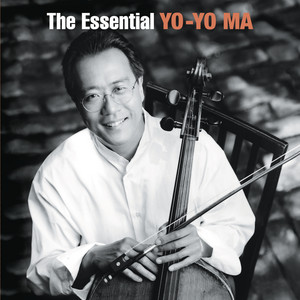 | Wachet auf, ruft uns die Stimme, BWV 645 | Yo-Yo Ma, Ton Koopman, Amsterdam Baroque Orchestra | D Major | 0 | 10B | 79 BPM | |
 | La Couperin: 21ème ordre, 4ème livre | François Couperin, Iddo Bar-Shaï | B Minor | 1 | 10A | 120 BPM | |
![Sonata in A-Moll, BuxWV 272: Sonata in A-Moll, BuxWV 272: I. [Allegro] by Dietrich Buxtehude, La Rêveuse, Sébastien Wonner, Benjamin Perrot, Florence Bolton](https://i.scdn.co/image/ab67616d00001e02f90d6525c5a62ca2c4975b93) | Sonata in A-Moll, BuxWV 272: Sonata in A-Moll, BuxWV 272: I. [Allegro] | Dietrich Buxtehude, La Rêveuse, Sébastien Wonner, Benjamin Perrot, Florence Bolton | A♭ Minor | 2 | 1A | 89 BPM | |
 | Symphony No. 1 in B-Flat Major, Op. 2: I. Allegro | William Boyce, Aradia Ensemble, Kevin Mallon | A Major | 1 | 11B | 86 BPM | |
 | Cello Concerto No. 3 in A Major, Wq. 172: III. Allegro assai | Carl Philipp Emanuel Bach, Daniel Müller-Schott, L'Arte del mondo, Werner Ehrhardt | E Major | 2 | 12B | 142 BPM | |
 | Ciacona in G Minor, Z. 730 | Henry Purcell, English Chamber Orchestra, Benjamin Britten | G Minor | 2 | 6A | 78 BPM | |
 | Flute Concerto in D Minor, QV 5:81: II. Arioso | Johann Joachim Quantz, Mary Oleskiewicz, Concerto Armonico Budapest, Miklós Spányi | G Minor | 2 | 6A | 77 BPM | |
 | Viola da gamba Sonata in D Major, Wq. 137 (Arr. for Cello & Piano): I. Adagio, ma non tanto | Carl Philipp Emanuel Bach, Daniel Müller-Schott, Angela Hewitt | D Major | 0 | 10B | 100 BPM | |
 | Sonata in D Minor, K. 9 | Domenico Scarlatti, Ivo Pogorelich | D Minor | 0 | 7A | 94 BPM |
- ISRC
- DEB240537408
- Label
- L-M Records/RCA Records