- BPM
- 75
- Key
- B♭ Major
- Camelot
- 6B
West Side Story Suite: II. Maria (Version for Solo Violin and String Orchestra) by Leonard Bernstein, Daniel Hope, Zürcher Kammerorchester Song Details
"West Side Story Suite: II. Maria (Version for Solo Violin and String Orchestra)" by Leonard Bernstein, Daniel Hope, Zürcher Kammerorchester had its release date on August 18, 2023. The duration of This song is about two minutes long, specifically at 2:54. This song does not appear to have any foul language. West Side Story Suite: II. Maria (Version for Solo Violin and String Orchestra)'s duration is considered a little bit shorter than the average duration of a typical track. The track order of this song in Leonard Bernstein, Gustav Mahler, Robert Schumann, Felix Mendelssohn's "Maestro Bernstein conducts Mahler, Schumann & Mendelssohn" album is number 3 out of 46. On top of that, Germany appears to be the country where this track was created. West Side Story Suite: II. Maria (Version for Solo Violin and String Orchestra) is not that popular right now. In our opinion, the overall tone is not very danceable and projects negative sounds, such as being sad, depressed, or angry.
BPM and Tempo
We consider the tempo marking of West Side Story Suite: II. Maria (Version for Solo Violin and String Orchestra) by Leonard Bernstein, Daniel Hope, Zürcher Kammerorchester to be Adagio (slowly with great expression) because the track has a tempo of 75 BPM, a half-time of 38BPM, and a double-time of 150 BPM. Based on that, the speed of the song's tempo is slow. The time signature for this track is 3/4.
Music Key
This song is in the music key of B♭ Major. This also means that this song has a camelot key of 6B. So, the perfect camelot match for 6B would be either 6B or 7A. While, 7B can give you a low energy boost. For moderate energy boost, you would use 3B and a high energy boost can either be 8B or 1B. Though, if you want a low energy drop, you should looking for songs with either a camelot key of 6A or 5B will give you a low energy drop, 9B would be a moderate one, and 4B or 11B would be a high energy drop. Lastly, 3A allows you to change the mood.
Want to find the BPM and music key for other songs? Check out our BPM and Key Finder page!
- Popularity
- 15%
- Loudness
- -18.586 dB
- Acousticness
- 89%
- Danceability
- 12%
- Energy
- 14%
- Instrumentalness
- 2%
- Liveness
- 13%
- Loudness
- 69%
- Speechiness
- 5%
- Valence
- 4%
Recommendations
| Track | Artist | Key | Energy | Camelot | BPM | ||
|---|---|---|---|---|---|---|---|
 | Haydn: Trumpet Concerto In E Flat - I Allegro | Joseph Haydn, Tine Thing Helseth | E♭ Major | 1 | 5B | 134 BPM | |
 | L'Arlésienne Suite No. 2: IV. Farandole. Allegro deciso (Tempo di Marcia) - Allegro vivo e deciso | Georges Bizet, Leonard Bernstein, New York Philharmonic | D Major | 6 | 10B | 93 BPM | |
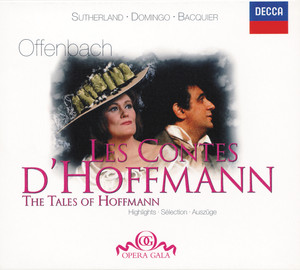 | Les Contes d'Hoffmann / Act 2: "Belle nuit, ô nuit d'amour" | Jacques Offenbach, Dame Joan Sutherland, Huguette Tourangeau, Chorus Pro Arte Lausanne Du Brassus, Radio Suisse Romande Chorus, Orchestre de la Suisse Romande, Richard Bonynge | D Major | 1 | 10B | 82 BPM | |
 | Prince Igor: Polovtsian Dances (Remastered): No. 8, Dance of the Polovtsian Maidens | Alexander Borodin, Leonard Bernstein, New York Philharmonic | F Major | 2 | 7B | 99 BPM | |
 | Japanese Suite, Op. 33, H. 126: I. Prelude. Song of the Fisherman | Gustav Holst, Ulster Orchestra, Joann Falletta | C Minor | 3 | 5A | 103 BPM | |
 | 3 Preludes for Piano Solo: 2. Andante con moto e poco rubato - w/o applause | George Gershwin, Leonard Bernstein | A Major | 3 | 11B | 120 BPM | |
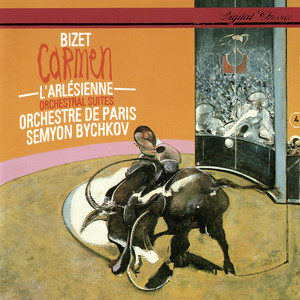 | Carmen Suite No. 1: 4. Les dragons d'Alcala | Georges Bizet, Orchestre de Paris, Semyon Bychkov | G Major | 0 | 9B | 117 BPM | |
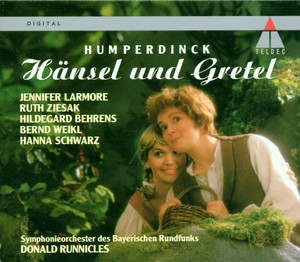 | Humperdinck : Hänsel und Gretel : Overture to Act 1 | Engelbert Humperdinck, Donald Runnicles, Bavarian Radio Symphony Orchestra | C Major | 0 | 8B | 92 BPM | |
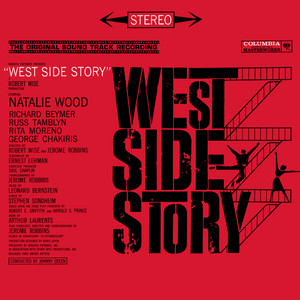 | West Side Story: Act II: The Rumble | Leonard Bernstein, Johnny Green, West Side Story Orchestra | G Minor | 5 | 6A | 77 BPM | |
| Japanese Suite, Op. 33, H. 126: VI. Finale. Dance of the Wolves | Gustav Holst, Ulster Orchestra, Joann Falletta | C Minor | 3 | 5A | 103 BPM | |
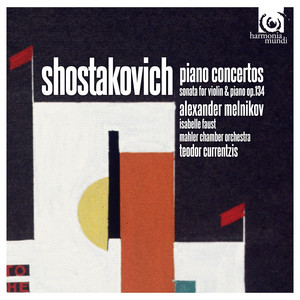 | Piano Concerto No. 2 Op. 102 in F Major: II. Andante | Dmitri Shostakovich, Alexander Melnikov, Mahler Chamber Orchestra, Teodor Currentzis | C Minor | 0 | 5A | 78 BPM | |
 | Oberon, J.306: Ouvertüre | Carl Maria von Weber, Bavarian Radio Symphony Orchestra, Rafael Kubelík | D Major | 1 | 10B | 131 BPM | |
 | Die Walküre: Magic Fire Music | Richard Wagner, George Szell, Cleveland Orchestra | G Major | 2 | 9B | 80 BPM | |
 | Ruslan and Ludmila: Overture | Mikhail Glinka, The USSR Bolshoy Theatre Orchestra, Yevgeny Svetlanov | F Major | 3 | 7B | 81 BPM | |
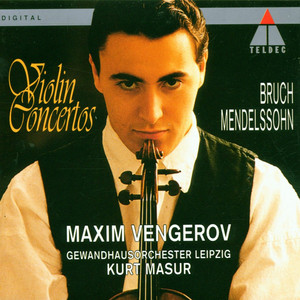 | Bruch: Violin Concerto No. 1 in G Minor, Op. 26: I. Prelude. Allegro moderato | Max Bruch, Maxim Vengerov, Kurt Masur, Gewandhausorchester | E♭ Major | 1 | 5B | 113 BPM | |
 | Symphony No. 3 In C Minor, Op. 78 "Organ Symphony": 1. Adagio - Allegro moderato - Poco adagio | Camille Saint-Saëns, Simon Preston, Berliner Philharmoniker, James Levine | A♭ Major | 1 | 4B | 118 BPM | |
 | Prince Igor: Polovtsian Dances (Version for Chorus) | Alexander Borodin, Kiev Chamber Choir, Ukraine National Radio Symphony Orchestra, Theodore Kuchar | A Major | 2 | 11B | 110 BPM | |
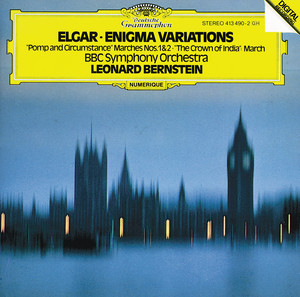 | Enigma Variations, Op. 36: Var. 9. Adagio "Nimrod" | Edward Elgar, BBC Symphony Orchestra, Leonard Bernstein | E♭ Major | 0 | 5B | 79 BPM | |
 | Weber: Clarinet Concerto No. 1 in F Minor, Op. 73, J. 114: I. Allegro | Carl Maria von Weber, Sabine Meyer, Staatskapelle Dresden, Herbert Blomstedt | F Minor | 1 | 4A | 128 BPM | |
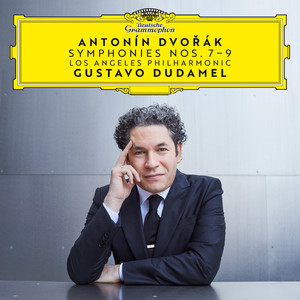 | Symphony No. 8 in G Major, Op. 88, B. 163: III. Allegretto grazioso - Molto vivace | Antonín Dvořák, Los Angeles Philharmonic, Gustavo Dudamel | C Major | 1 | 8B | 127 BPM | |
 | Petrushka: Danse Russe | Robert Groslot, Belgian Radio and Television Philharmonic Orchestra, Igor Stravinsky | D Minor | 5 | 7A | 80 BPM | |
 | Symphony No. 1 in D Major: 2. Kräftig bewegt - Live | Gustav Mahler, Berliner Philharmoniker, Claudio Abbado | A Major | 1 | 11B | 96 BPM | |
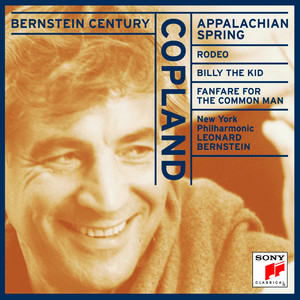 | 4 Dance Episodes from Rodeo: I. Buckaroo Holiday | Aaron Copland, Leonard Bernstein, New York Philharmonic | F Major | 4 | 7B | 129 BPM | |
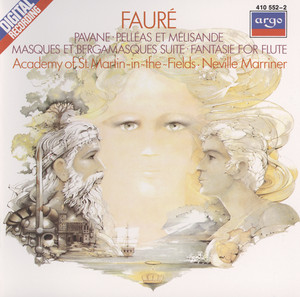 | Pelléas et Mélisande, Op.80: 3. Sicilienne | Gabriel Fauré, Academy of St. Martin in the Fields, Sir Neville Marriner | G Minor | 0 | 6A | 111 BPM | |
 | Soirées musicales, Op. 9: IV. Bolero | Benjamin Britten, Helsingborg Symphony Orchestra, Okko Kamu | G Minor | 1 | 6A | 79 BPM |
- ISRC
- DEN962102272
- Label
- L-M Records/RCA Records