- BPM
- 88
- Key
- G Major
- Camelot
- 9B
Variations on an Original Theme, Op. 36, Enigma: Variation IV. Allegro di molto "W.M.B." by Edward Elgar, Vasily Petrenko, Royal Liverpool Philharmonic Orchestra Song Details
"Variations on an Original Theme, Op. 36, Enigma: Variation IV. Allegro di molto "W.M.B."" by Edward Elgar, Vasily Petrenko, Royal Liverpool Philharmonic Orchestra had its release date on March 29, 2019. With This song being less than a minute long, we are pretty confident that this song does not contain any foul language. That being said, this song is pretty short compared to other songs. The song is number 9 out of 19 in Elgar: Enigma Variations, In the South, Serenade for Strings by Edward Elgar, Vasily Petrenko, Royal Liverpool Philharmonic Orchestra. Variations on an Original Theme, Op. 36, Enigma: Variation IV. Allegro di molto "W.M.B." is unknown right now. In our opinion, the overall tone is not very danceable and projects negative sounds, such as being sad, depressed, or angry.
BPM and Tempo
The tempo marking of Variations on an Original Theme, Op. 36, Enigma: Variation IV. Allegro di molto "W.M.B." by Edward Elgar, Vasily Petrenko, Royal Liverpool Philharmonic Orchestra is Andante (at a walking pace), since this song has a tempo of 88 BPM. With that information, we can conclude that the song has a slow tempo. This song can go great with yoga or pilates. The time signature for this track is 4/4.
Music Key
G Major is the music key of this track. This also means that this song has a camelot key of 9B. So, the perfect camelot match for 9B would be either 9B or 10A. While, 10B can give you a low energy boost. For moderate energy boost, you would use 6B and a high energy boost can either be 11B or 4B. Though, if you want a low energy drop, you should looking for songs with either a camelot key of 9A or 8B will give you a low energy drop, 12B would be a moderate one, and 7B or 2B would be a high energy drop. Lastly, 6A allows you to change the mood.
Want to find the BPM and music key for other songs? Check out our BPM and Key Finder page!
- Popularity
- 0%
- Loudness
- -12.619 dB
- Acousticness
- 92%
- Danceability
- 18%
- Energy
- 32%
- Instrumentalness
- 84%
- Liveness
- 9%
- Loudness
- 79%
- Speechiness
- 4%
- Valence
- 15%
Recommendations
| Track | Artist | Key | Energy | Camelot | BPM | ||
|---|---|---|---|---|---|---|---|
 | String Quartet No. 2 in D Major: III. Notturno: Andante | Alexander Borodin, Budapest Haydn Quartet | A Major | 1 | 11B | 89 BPM | |
 | Symphony No. 5 In C Sharp Minor: 4. Adagietto (Sehr langsam) | Gustav Mahler, Gyeonggi Philharmonic Orchestra, Shi-Yeon Sung | F Major | 0 | 7B | 82 BPM | |
 | Violin Concerto in D Minor, Op. 47: III. Allegro, ma non tanto | Jean Sibelius, Anne-Sophie Mutter, Staatskapelle Dresden, André Previn | D Major | 2 | 10B | 112 BPM | |
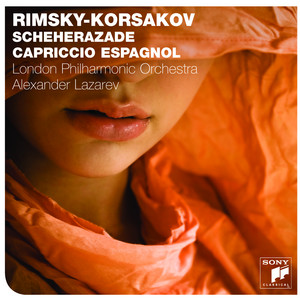 | Scheherazade: The Sea & Sinbad's Ship | Nikolai Rimsky-Korsakov, Lars Hjalmar Joakim | E Major | 1 | 12B | 82 BPM | |
 | Brahms Symphony No. 3 - 3rd Movement | John Keating/London Symphony Orchestra | C Minor | 1 | 5A | 116 BPM | |
 | Lieder ohne Worte (Songs without Words), Book 2, Op. 30: No. 7 in E-Flat Major, Op. 30, No. 1, MWV U103 | Felix Mendelssohn, Péter Nagy | E♭ Major | 0 | 5B | 65 BPM | |
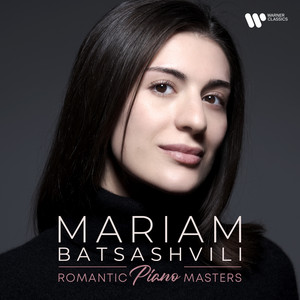 | Liszt: Lieder aus Franz Schubert's "Schwanengesang", S. 560: No. 7 Ständchen | Franz Liszt, Mariam Batsashvili | A Minor | 1 | 8A | 120 BPM | |
 | Tchaikovsky: Symphony No. 4 in F Minor, Op. 36: II. Andantino in moto di canzone | Pyotr Ilyich Tchaikovsky, San Francisco Symphony, Michael Tilson Thomas | B♭ Minor | 0 | 3A | 82 BPM | |
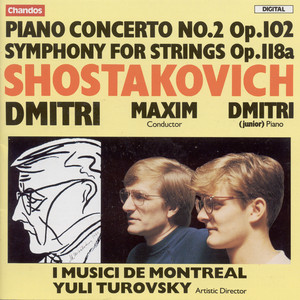 | Piano Concerto No. 2 in F Major, Op. 102: II. Andante | Dmitri Shostakovich, I Musici de Montréal, Maxim Shostakovich | C Minor | 0 | 5A | 177 BPM | |
 | Symphony No. 1 in D Major: 2. Kräftig bewegt - Live | Gustav Mahler, Berliner Philharmoniker, Claudio Abbado | A Major | 1 | 11B | 96 BPM | |
 | Má vlast, JB 1:112: II. Vltava "The Moldau" | Bedřich Smetana, Chicago Symphony Orchestra, Daniel Barenboim | G Major | 1 | 9B | 142 BPM | |
 | Violin Concerto No. 1 in G Minor, Op. 26: III. Allegro energico | Max Bruch, Itzhak Perlman, Bernard Haitink, Royal Concertgebouw Orchestra | G Major | 3 | 9B | 97 BPM | |
 | Bach, JS : Well-Tempered Clavier Book 1 : Prelude No.1 in C major BWV846 | Daniel Barenboim | C Major | 0 | 8B | 95 BPM | |
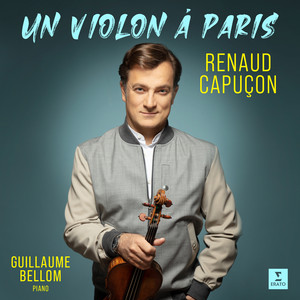 | Puccini: Gianni Schicchi, Act 1: "O mio babbino caro" (Lauretta) | Giacomo Puccini, Renaud Capuçon | A♭ Major | 2 | 4B | 89 BPM | |
 | Sheep May Safely Graze | Johann Sebastian Bach, Leon Fleisher | B♭ Major | 0 | 6B | 98 BPM | |
 | Andante Festivo | Jean Sibelius, Gothenburg Symphony Orchestra, Neeme Järvi | G Major | 1 | 9B | 86 BPM | |
 | II. Adagio cantabile from Piano Sonata No. 8 in C minor, Op. 13 "Pathetique" - Instrumental | Ludwig van Beethoven, Murray Perahia | A♭ Major | 0 | 4B | 62 BPM | |
 | Rosa Mundi | Paul Lewis, Royal Ballet Sinfonia, Gavin Sutherland | E Major | 0 | 12B | 81 BPM | |
| Scheherazade: The princess in a palanquin | Nikolai Rimsky-Korsakov, Lars Hjalmar Joakim | G Major | 1 | 9B | 166 BPM | |
 | Main Theme (From "Schindler's List") | John Williams, Nicola Benedetti, Bournemouth Symphony Orchestra, Kirill Karabits | D Minor | 2 | 7A | 134 BPM | |
 | Saint-Saëns: Cello Concerto No. 1 in A Minor, Op. 33: I. Allegro non troppo | Camille Saint-Saëns, Jacqueline du Pré, Daniel Barenboim, New Philharmonia Orchestra | F Major | 1 | 7B | 82 BPM | |
 | Symphony No. 2 In C Minor - "Resurrection" / 1st Movement - Allegro maestoso (Totenfeier): Im Tempo nachgeben | Gustav Mahler, Wiener Philharmoniker, Gilbert Kaplan | B Major | 1 | 1B | 152 BPM | |
 | Carmen Suite No. 1 (Arr. E. Guiraud): III. Intermezzo | Georges Bizet, Orquestra Simfònica de Barcelona i Nacional de Catalunya, Pablo González | E♭ Major | 0 | 5B | 81 BPM | |
 | Suite bergamasque, L. 75: 3. Clair de lune | Claude Debussy, Daniel Barenboim | D♭ Major | 0 | 3B | 66 BPM | |
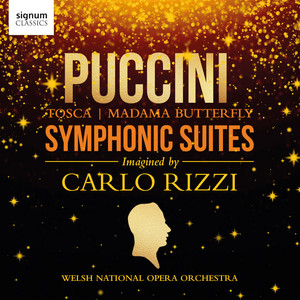 | Preludio Sinfonico | Giacomo Puccini, Welsh National Opera Orchestra, Carlo Rizzi | A Major | 1 | 11B | 145 BPM |
- ISRC
- QM4TX1908197
- Label
- L-M Records/RCA Records