- BPM
- 110
- Key
- D♭ Major
- Camelot
- 3B
バッカスとアリアーヌ, 作品 43 第 1組曲: Meno allegro by Albert Roussel, 小林英之, 矢崎彦太郎, 東京シティ・フィルハーモニック管弦楽団 Song Details
Albert Roussel, 小林英之, 矢崎彦太郎, 東京シティ・フィルハーモニック管弦楽団's ' "バッカスとアリアーヌ, 作品 43 第 1組曲: Meno allegro" was released on its scheduled release date, 2008. With this song being around four minutes long, at 4:16, the duration of this song is pretty average compared to other songs. This track is safe for children and doesn't appear to contain any foul language, since the "Explicit" tag was not present in this track. There is only one song in フランス音楽の彩と翳 「音楽と航海者たち」 サン=サーンス:交響曲 第 3番、ルーセル:バッカスとアリアーヌ, so we believe that "バッカスとアリアーヌ, 作品 43 第 1組曲: Meno allegro" is a single. In terms of popularity, バッカスとアリアーヌ, 作品 43 第 1組曲: Meno allegro is currently unknown. The overall tone is very danceable, especially with its high energy, which produces more of a euphoric, cheerful, or happy vibe.
BPM and Tempo
The tempo marking of バッカスとアリアーヌ, 作品 43 第 1組曲: Meno allegro by Albert Roussel, 小林英之, 矢崎彦太郎, 東京シティ・フィルハーモニック管弦楽団 is Moderato (at a moderate speed), since this song has a tempo of 110 BPM. With that information, we can conclude that the song has a moderate tempo. The time signature for this track is 5/4.
Music Key
D♭ Major is the music key of this track. This also means that this song has a camelot key of 3B. So, the perfect camelot match for 3B would be either 3B or 4A. While, 4B can give you a low energy boost. For moderate energy boost, you would use 12B and a high energy boost can either be 5B or 10B. Though, if you want a low energy drop, you should looking for songs with either a camelot key of 3A or 2B will give you a low energy drop, 6B would be a moderate one, and 1B or 8B would be a high energy drop. Lastly, 12A allows you to change the mood.
Want to find the BPM and music key for other songs? Check out our BPM and Key Finder page!
- Popularity
- 0%
- Loudness
- -21.815 dB
- Acousticness
- 90%
- Danceability
- 64%
- Energy
- 19%
- Instrumentalness
- 50%
- Liveness
- 46%
- Loudness
- 64%
- Speechiness
- 3%
- Valence
- 75%
Recommendations
| Track | Artist | Key | Energy | Camelot | BPM | ||
|---|---|---|---|---|---|---|---|
 | Sibelius: Violin Concerto in D Minor, Op. 47: II. Adagio di molto | Jean Sibelius, Ida Haendel, Bournemouth Symphony Orchestra, Paavo Berglund | G Minor | 8 | 6A | 170 BPM | |
 | Les biches Suite, FP 36b: IV. Andantino | Francis Poulenc, RTÉ National Symphony Orchestra, Jean-Luc Tingaud | C Major | 0 | 8B | 105 BPM | |
 | Roussel : Symphony No.3 in G minor Op.42 : III Scherzo - Vivace | Albert Roussel, Charles Dutoit, Orchestre National De France | D Major | 3 | 10B | 124 BPM | |
 | Cosmic Journey | Nomad Skies | B Major | 4 | 1B | 123 BPM | |
 | Bacchus et Ariane, Op. 43: Ariane, toujours endormie, prend part a la danse avec Bacchus (Ariadne, still asleep, dances with Bacchus) | Albert Roussel, Royal Scottish National Orchestra, Stéphane Denève | A Major | 5 | 11B | 80 BPM | |
 | Roman Festivals: III. L'Ottobrata | Ottorino Respighi, New York Philharmonic, Giuseppe Sinopoli | C Major | 1 | 8B | 77 BPM | |
| Sinfonietta, FP 141: I. Allegro con fuoco | Francis Poulenc, RTÉ National Symphony Orchestra, Jean-Luc Tingaud | G Major | 0 | 9B | 111 BPM | |
 | Roussel: Trio for Flute, Viola and Cello in F Major, Op. 40, L. 51: I. Allegro grazioso | Albert Roussel, Patrick Gallois, Michel Michalakakos, Jean Grout | F Major | 1 | 7B | 124 BPM | |
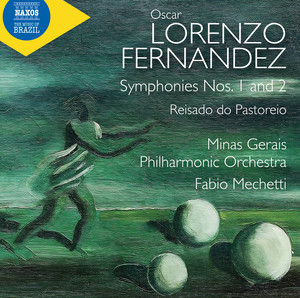 | Reisado do pastoreio: II. Toada | Oscar Lorenzo Fernández, Minas Gerais Philharmonic Orchestra, Fabio Mechetti | B Minor | 2 | 10A | 135 BPM | |
 | Schumann: 3 Romances for Oboe and Piano, Op. 94: No. 1, Nicht schnell | Robert Schumann, Albrecht Mayer, Markus Becker | A Minor | 0 | 8A | 77 BPM | |
 | Roussel: String Trio, Op. 58: II. Adagio | Albert Roussel, Trio à cordes de Paris | C Major | 1 | 8B | 81 BPM | |
 | Symphony No. 3 in G Minor, Op. 42, L. 53: III. Vivace | Albert Roussel, Neeme Järvi, Detroit Symphony Orchestra | D Major | 1 | 10B | 129 BPM | |
 | Serenade for Flute, Violin, Viola, Cello and Harp, Op. 30: II. Andante | Albert Roussel, Academy of St. Martin in the Fields, Skaila Kanga | E Minor | 0 | 9A | 174 BPM | |
 | Poèmes de Ronsard pour flûte et voix: II. Ciel, air et vent | Michel Moragues, Albert Roussel, Sandrine Piau | B Minor | 0 | 10A | 80 BPM | |
 | Messiaen: Fête des belles eaux: VIII. Feux d'artifice final | Olivier Messiaen, Jeanne Loriod, Sextuor Jeanne Loriod | B Major | 2 | 1B | 172 BPM | |
 | The Hebrides, Op. 26: Allegro moderato | Felix Mendelssohn, Leipziger Streichquartett | B Minor | 1 | 10A | 114 BPM | |
 | Liederkreis, Op. 39: No. 7, Auf einer Burg (Arr. Rot for Cello and Orchestra) | Robert Schumann, Kian Soltani, Camerata Salzburg, Gregory Ahss | E♭ Major | 3 | 5B | 140 BPM | |
 | Das Lied von der Erde: II. Der Einsame im Herbst. Etwas schleichend. Ermüdet | Gustav Mahler, Les Siècles, François-Xavier Roth, Marie-Nicole Lemieux | C Major | 1 | 8B | 81 BPM | |
 | Symphony No. 7 in E Minor "Song of the Night": III. Scherzo. Schattenhaft - Trio | Gustav Mahler, Gianandrea Noseda, National Symphony Orchestra, Kennedy Center | B♭ Major | 1 | 6B | 173 BPM | |
 | Brian: Comedy Overture No. 2 "The Tinker's Wedding" | Havergal Brian, Royal Liverpool Philharmonic Orchestra, Sir Charles Mackerras | C Major | 1 | 8B | 81 BPM | |
 | Sinfonietta, JW VI/18: III. Moderato | Leoš Janáček, Czech Philharmonic, Karel Ančerl | A♭ Minor | 2 | 1A | 138 BPM | |
 | Dove: Figures in the Garden: VII. Nocturne. Figaro and Susanna | Jonathan Dove, Antony Pay, Orchestra of the Age of Enlightenment | D♭ Major | 0 | 3B | 81 BPM | |
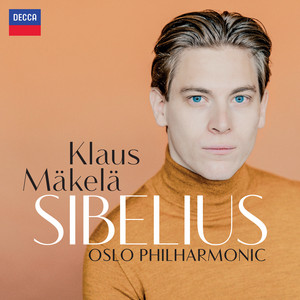 | Symphony No. 1 in E Minor, Op. 39: II. Andante (ma non troppo lento) | Jean Sibelius, Oslo Philharmonic Orchestra, Klaus Mäkelä | F♯ Minor | 1 | 11A | 66 BPM | |
 | Symphony No. 1, GMW 11: IVc. Sehr langsam | Gustav Mahler, Tonhalle-Orchester Zürich, Paavo Järvi | D Major | 4 | 10B | 87 BPM | |
 | Prelude in F Minor (Arr. for Wind Quintet by Kara LaMoure) | Nadia Boulanger, WindSync | C Major | 1 | 8B | 81 BPM |
- ISRC
- JPG200810599
- Label
- L-M Records/RCA Records