- BPM
- 146
- Key
- B♭ Major
- Camelot
- 6B
Adams: Two Fanfares for Orchestra: II. Short Ride in a Fast Machine by John Adams, Sir Simon Rattle, City Of Birmingham Symphony Orchestra Song Details
"Adams: Two Fanfares for Orchestra: II. Short Ride in a Fast Machine" by John Adams, Sir Simon Rattle, City Of Birmingham Symphony Orchestra had its release date on March 31, 1994. With this song being around four minutes long, at 4:18, the duration of this song is pretty average compared to other songs. This track is safe for children and doesn't appear to contain any foul language, since the "Explicit" tag was not present in this track. The song is number 6 out of 6 in Adams: Harmonielehre by John Adams, City Of Birmingham Symphony Orchestra, Sir Simon Rattle. Going off of the ISRC code of this track, we detected that the origin of this track is from United Kingdom. Based on our statistics, Adams: Two Fanfares for Orchestra: II. Short Ride in a Fast Machine's popularity is below average in popularity right now. In our opinion, the overall tone is not very danceable and projects negative sounds, such as being sad, depressed, or angry.
BPM and Tempo
The tempo marking of Adams: Two Fanfares for Orchestra: II. Short Ride in a Fast Machine by John Adams, Sir Simon Rattle, City Of Birmingham Symphony Orchestra is Allegro (fast, quick, and bright), since this song has a tempo of 146 BPM. With that information, we can conclude that the song has a fast tempo. This song can go great with jogging or cycling. The time signature for this track is 1/4.
Music Key
This song is in the music key of B♭ Major. This also means that this song has a camelot key of 6B. So, the perfect camelot match for 6B would be either 6B or 7A. While, 7B can give you a low energy boost. For moderate energy boost, you would use 3B and a high energy boost can either be 8B or 1B. Though, if you want a low energy drop, you should looking for songs with either a camelot key of 6A or 5B will give you a low energy drop, 9B would be a moderate one, and 4B or 11B would be a high energy drop. Lastly, 3A allows you to change the mood.
Want to find the BPM and music key for other songs? Check out our BPM and Key Finder page!
- Popularity
- 22%
- Loudness
- -12.758 dB
- Acousticness
- 88%
- Danceability
- 37%
- Energy
- 54%
- Instrumentalness
- 91%
- Liveness
- 22%
- Loudness
- 79%
- Speechiness
- 32%
- Valence
- 7%
Recommendations
| Track | Artist | Key | Energy | Camelot | BPM | ||
|---|---|---|---|---|---|---|---|
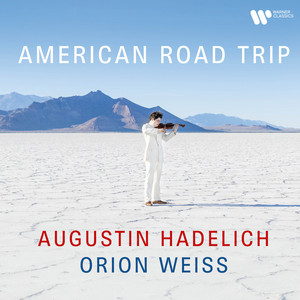 | Adams: Road Movies: I. Relaxed Groove | John Adams, Augustin Hadelich, Orion Weiss | D Major | 2 | 10B | 104 BPM | |
 | Finding Rothko: IV. Wine | Adam Schoenberg, Kansas City Symphony, Michael Stern | A Major | 0 | 11B | 74 BPM | |
 | Peter Grimes, 4 Sea Interludes, Op. 33a: III. Moonlight | Benjamin Britten, London Symphony Orchestra, Steuart Bedford | E♭ Major | 0 | 5B | 78 BPM | |
 | Ives / Orch. Brant: A Concord Symphony: III. The Alcotts | Charles Ives, Henry Brant, San Francisco Symphony, Michael Tilson Thomas | E♭ Major | 1 | 5B | 91 BPM | |
 | Paris | Meredith Monk, Ursula Oppens | A Minor | 1 | 8A | 69 BPM | |
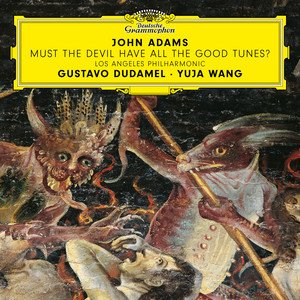 | Must the Devil Have All the Good Tunes?: II. Much Slower; Gently, Relaxed | John Adams, Yuja Wang, Los Angeles Philharmonic, Gustavo Dudamel | F Major | 1 | 7B | 60 BPM | |
 | Stille Musik: I. Walzer des Augenblicks | Valentin Silvestrov, Munich Chamber Orchestra | A Minor | 0 | 8A | 60 BPM | |
 | Duet for two Solo Violins and String Orchestra (Dedicated to and written for Yehudi Menuhin) | Steve Reich, Kristjan Järvi, Waltraut Wächter, Andreas Hartmann, MDR Leipzig Radio Symphony Orchestra | F Major | 3 | 7B | 124 BPM | |
 | String Quartet No. 8 in C Minor, Op. 110 (Arr. for Wind Ensemble by David Walter): I. Largo | Dmitri Shostakovich, Ensemble Ouranos | A♭ Major | 0 | 4B | 94 BPM | |
 | Quatuor pour la fin du Temps: VIII. Louange à l'immortalité de Jésus | Olivier Messiaen, Lucas Debargue | E Major | 0 | 12B | 76 BPM | |
 | Ah! tout est bien fini - O souverain, o juge, o père from Le Cid - Live | Jules Massenet, Plácido Domingo, John Adams, Eve Queler, Byrne Camp Chorale | C Major | 3 | 8B | 167 BPM | |
 | Canto Ostinato: Coda | Simeon ten Holt, Aart Bergwerff, Eric Vloeimans | B♭ Minor | 1 | 3A | 147 BPM | |
 | String Quartet No. 14 in F-Sharp Major, Op. 142: II. Adagio | Dmitri Shostakovich, Cuarteto Casals | A♭ Major | 0 | 4B | 94 BPM | |
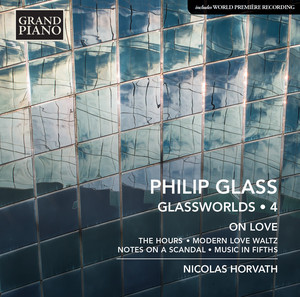 | Music in Fifths | Philip Glass, Nicolas Horvath | C Minor | 4 | 5A | 102 BPM | |
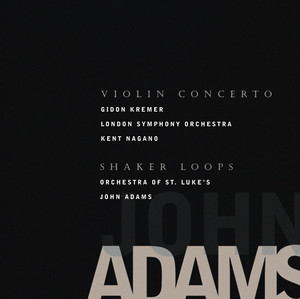 | Shaker Loops: Pt. I, Shaking and Trembling | John Adams, Orchestra of St. Luke's | G Major | 1 | 9B | 153 BPM | |
 | Six Encores: III. Wasserklavier | Luciano Berio, Andrea Lucchesini | D♭ Major | 0 | 3B | 82 BPM | |
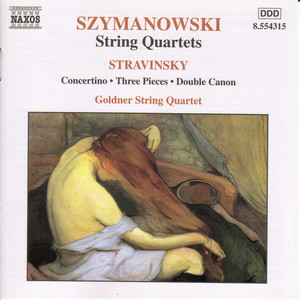 | 3 Pieces for String Quartet: No. 3 | Igor Stravinsky, Goldner String Quartet | A♭ Major | 0 | 4B | 87 BPM | |
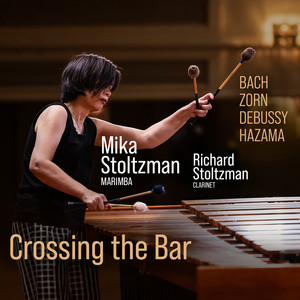 | Breathturn, Pt. 1 | John Zorn, Mika Stoltzman, Richard Stoltzman, Fred Sherry | A♭ Major | 0 | 4B | 94 BPM | |
 | Akhnaten: Act II, Scene 3: Dance | Philip Glass, Dennis Russell Davies | F Major | 2 | 7B | 136 BPM | |
 | Nixon in China, Act I Scene 2: You Know We'll Meet with Your Confrere, the Democratic Candidate (Live) | John Adams, Robert Orth, Thomas Hammons, Marc Heller, Colorado Symphony, Marin Alsop | A♭ Major | 2 | 4B | 89 BPM | |
 | Britten: Four Sea Interludes from Peter Grimes, Op. 33a: No. 3, Moonlight | Benjamin Britten, André Previn, London Symphony Orchestra | G Minor | 1 | 6A | 117 BPM | |
 | Harmonium (for large orchestra and chorus): Part 1 - Negative Love | John Adams, Edo de Waart, San Francisco Symphony, Vance George, San Francisco Symphony Chorus | E Minor | 1 | 9A | 125 BPM | |
 | City Boy | Judd Greenstein, Now Ensemble | F♯ Minor | 4 | 11A | 115 BPM | |
 | String Quartet No. 5: III. | Philip Glass, Kronos Quartet | A♭ Minor | 5 | 1A | 135 BPM | |
 | Ravel: String Quartet, M. 35: II. Assez vif - Très rythmé | Maurice Ravel, Quatuor Ébène | F Major | 0 | 7B | 144 BPM |
- ISRC
- GBAYC9300343
- Label
- L-M Records/RCA Records