- BPM
- 151
- Key
- D Minor
- Camelot
- 7A
Rhapsody on a Theme of Paganini, Op. 43: Variation X by Sergei Rachmaninoff, Arthur Rubinstein, Fritz Reiner Song Details
Sergei Rachmaninoff, Arthur Rubinstein, Fritz Reiner's ' "Rhapsody on a Theme of Paganini, Op. 43: Variation X" was released on its scheduled release date, October 12, 1999. With This song being less than a minute long, we are pretty confident that this song does not contain any foul language. That being said, this song is pretty short compared to other songs. There are a total of 30 in the song's album "Rubinstein Collection, Vol. 35: Rachmaninoff: Piano Concerto No.2; Rhapsody on a Theme of Paganini; Prelude". In this album, this song's track order is #15. Furthermore, we believe that the track originated from United States. Based on our statistics, Rhapsody on a Theme of Paganini, Op. 43: Variation X's popularity is not that popular right now. The mood doesn't appear to be that danceable, but it still produces a high amount of positive energy.
BPM and Tempo
With Rhapsody on a Theme of Paganini, Op. 43: Variation X by Sergei Rachmaninoff, Arthur Rubinstein, Fritz Reiner having a BPM of 151 with a half-time of 76 BPM and a double-time of 302 BPM, we would consider this track to have a Allegro (fast, quick, and bright) tempo marking. Because of this, we believe that the song has an overall fast tempo. Looking at the BPM of this song, this song might go great with running. The time signature for this track is 3/4.
Music Key
This song has a musical key of D Minor. Which also means that the camelot key for this song is 7A. So, the perfect camelot match for 7A would be either 7A or 6B. While, a low energy boost can consist of either 7B or 8A. For moderate energy boost, you would use 4A and a high energy boost can either be 9A or 2A. However, if you are looking for a low energy drop, finding a song with a camelot key of 6A would be a great choice. Where 10A would give you a moderate drop, and 5A or 12A would be a high energy drop. Lastly, 10B allows you to change the mood.
Want to find the BPM and music key for other songs? Check out our BPM and Key Finder page!
- Popularity
- 6%
- Loudness
- -17.309 dB
- Acousticness
- 97%
- Danceability
- 35%
- Energy
- 17%
- Instrumentalness
- 88%
- Liveness
- 13%
- Loudness
- 71%
- Speechiness
- 3%
- Valence
- 77%
Recommendations
| Track | Artist | Key | Energy | Camelot | BPM | ||
|---|---|---|---|---|---|---|---|
 | Goodbye, Mr. Rachmaninov - World Premiere Recording | Cyprien Katsaris | C Minor | 1 | 5A | 72 BPM | |
 | Adagio in E-Flat Major | Fanny Mendelssohn, Heather Schmidt | E♭ Minor | 0 | 2A | 90 BPM | |
 | 4 Impromptus, D. 899 (Op. 90): No. 3 in G-Flat Major. Andante | Franz Schubert, Krystian Zimerman | F♯ Major | 0 | 2B | 61 BPM | |
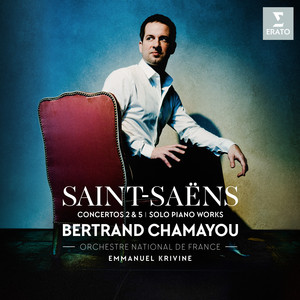 | Saint-Saëns: Valse nonchalante in D-Flat Major, Op. 110 | Camille Saint-Saëns, Bertrand Chamayou | C Major | 1 | 8B | 66 BPM | |
 | Symphony No. 5 in E Minor, Op. 64: III. Valse. Allegro moderato | Pyotr Ilyich Tchaikovsky, Berliner Philharmoniker, Kirill Petrenko | A Major | 0 | 11B | 139 BPM | |
 | Morceaux de fantaisie, Op. 3: 5 Morceaux de fantasie, Op. 3: No. 2. Prelude in C-Sharp Minor | Sergei Rachmaninoff, Eldar Nebolsin | A Major | 1 | 11B | 91 BPM | |
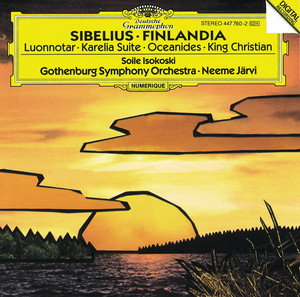 | Andante Festivo | Jean Sibelius, Gothenburg Symphony Orchestra, Neeme Järvi | G Major | 1 | 9B | 86 BPM | |
 | Recueil de chants, Op. 65: No. 6, Barcarolle | Charles-Valentin Alkan, Bruce Liu | G Minor | 0 | 6A | 70 BPM | |
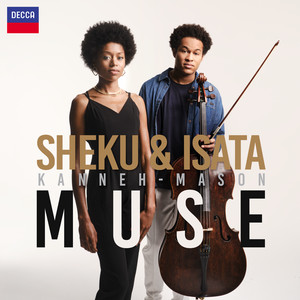 | 12 Romances, Op. 21: No. 7, How Fair This Spot (Arr. Sheku Kanneh-Mason for Cello and Piano) | Sergei Rachmaninoff, Sheku Kanneh-Mason, Isata Kanneh-Mason | A Major | 1 | 11B | 89 BPM | |
 | Carmen Suite No. 1 (Arr. E. Guiraud): III. Intermezzo | Georges Bizet, Orquestra Simfònica de Barcelona i Nacional de Catalunya, Pablo González | E♭ Major | 0 | 5B | 81 BPM | |
 | Piano Concerto in A Minor, Op. 7: Romanze. Andante non troppo con grazia | Clara Schumann, Francesco Nicolosi, Alma Mahler Sinfonietta, Stefania Rinaldi | A Minor | 1 | 8A | 103 BPM | |
 | Lieder ohne Worte, Op.30: No. 6. Allegretto In F Sharp Minor, MWV U 110 - "Venetian Gondola Song" | Felix Mendelssohn, Daniel Barenboim | F♯ Minor | 0 | 11A | 169 BPM | |
 | Valse lente | Germaine Tailleferre, Dario Müller | G Major | 0 | 9B | 66 BPM | |
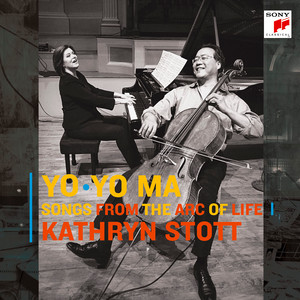 | Salut d'Amour, Op. 12 | Edward Elgar, Yo-Yo Ma, Kathryn Stott | D Major | 0 | 10B | 73 BPM | |
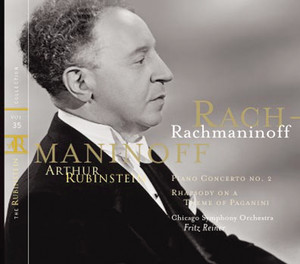 | Piano Concerto No. 2 in C Minor, Op. 18: II. Adagio sostenuto | Sergei Rachmaninoff, Arthur Rubinstein, Fritz Reiner, Chicago Symphony Orchestra | E Major | 0 | 12B | 64 BPM | |
 | Piano Concerto in A minor, Op. 16: II. Adagio - Live | Edvard Grieg, Alice Sara Ott, Symphonieorchester des Bayerischen Rundfunks, Esa-Pekka Salonen | D Major | 2 | 10B | 121 BPM | |
 | 6 Album Leaves, Op. 2, JB 1:51: No. 2 in A Minor, Chanson. Moderato | Bedřich Smetana, Jitka Čechová | A Minor | 0 | 8A | 66 BPM | |
 | Dvořák: 7 Gipsy Melodies, Op. 55, B. 104: No. 4, Als die alte Mutter (Transcr. for Trumpet and Orchestra) | Antonín Dvořák, Tine Thing Helseth, Eivind Aadland, Royal Liverpool Philharmonic Orchestra | D Major | 1 | 10B | 92 BPM | |
 | Lieder ohne Worte, Op. 19b: Lieder ohne Worte (Song without Words) No. 6 in G Minor, Op. 19, No. 6, "Venezianisches Gondellied" [Venetian Gondola Song] | Felix Mendelssohn, Péter Nagy | G Major | 0 | 9B | 101 BPM | |
 | The Carnival of the Animals, R. 125: XIII. The Swan (Arr. for Cello and Piano) | Camille Saint-Saëns, Yo-Yo Ma, Kathryn Stott | C Major | 2 | 8B | 99 BPM | |
| Schluss | Fanny Mendelssohn, Heather Schmidt | E Major | 1 | 12B | 87 BPM | |
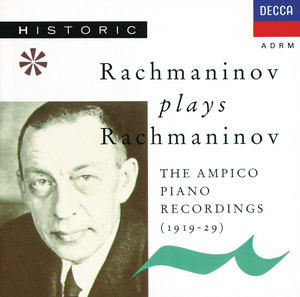 | Liebesleid | Fritz Kreisler, Sergei Rachmaninoff | A Minor | 0 | 8A | 77 BPM | |
 | Lieder ohne Worte (Songs without Words), Book 2, Op. 30: No. 7 in E-Flat Major, Op. 30, No. 1, MWV U103 | Felix Mendelssohn, Péter Nagy | E♭ Major | 0 | 5B | 65 BPM | |
 | 7 Preludes, Op. 17: No. 3 in D-Flat Major | Alexander Scriabin, Maria Lettberg | B Major | 0 | 1B | 72 BPM | |
 | Holberg Suite, Op. 40: II. Sarabande (Andante) | Edvard Grieg, Gothenburg Symphony Orchestra, Neeme Järvi | A Major | 1 | 11B | 87 BPM |
- ISRC
- USBC19802602
- Label
- L-M Records/RCA Records