- BPM
- 73
- Key
- B Minor
- Camelot
- 10A
Tomar Surer Dhara Jhare Jethay by Rabindranath Tagore, Rama Devi Song Details
Rabindranath Tagore, Rama Devi's 'Tomar Surer Dhara Jhare Jethay' had a release date set for January 7, 1932. With This song being less than two minutes long, at 1:23, we are fairly confident that this song is not explicit and is safe for all ages. Based on the duration of this song, this song duration is much smaller than the average song duration. There are a total of 20 in the song's album "The Voice Of Rabindranath Tagore". In this album, this song's track order is #18. Furthermore, we believe that the track originated from India. Tomar Surer Dhara Jhare Jethay is unknown right now. Although the tone can be danceable to some, this track does projects more of a negative sound rather than a postive one.
BPM and Tempo
With Tomar Surer Dhara Jhare Jethay by Rabindranath Tagore, Rama Devi having a BPM of 73 with a half-time of 36 BPM and a double-time of 146 BPM, we would consider this track to have a Adagio (slowly with great expression) tempo marking. Because of this, we believe that the song has an overall slow tempo. The time signature for this track is 5/4.
Music Key
This song has a musical key of B Minor. Or for those who are familiar with the camelot wheel, this song has a camelot key of 10A. So, the perfect camelot match for 10A would be either 10A or 9B. While, a low energy boost can consist of either 10B or 11A. For moderate energy boost, you would use 7A and a high energy boost can either be 12A or 5A. However, if you are looking for a low energy drop, finding a song with a camelot key of 9A would be a great choice. Where 1A would give you a moderate drop, and 8A or 3A would be a high energy drop. Lastly, 1B allows you to change the mood.
Want to find the BPM and music key for other songs? Check out our BPM and Key Finder page!
- Popularity
- 0%
- Loudness
- -11.775 dB
- Acousticness
- 98%
- Danceability
- 59%
- Energy
- 22%
- Instrumentalness
- 0%
- Liveness
- 21%
- Loudness
- 80%
- Speechiness
- 24%
- Valence
- 33%
Recommendations
| Track | Artist | Key | Energy | Camelot | BPM | ||
|---|---|---|---|---|---|---|---|
 | Abar Chhuti | Silajit | A Major | 3 | 11B | 116 BPM | |
 | He Mahadeb version 1("Rudrabinar Obhishaap Part 2") | Shovon Ganguly | F Major | 5 | 7B | 120 BPM | |
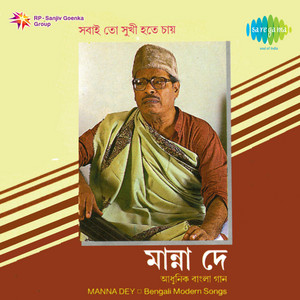 | O Chand Samle Rakho Jochhnake | Manna Dey | D♭ Major | 3 | 3B | 102 BPM | |
 | Boyosh 27 | Sanjeeb Choudhury | D♭ Major | 5 | 3B | 138 BPM | |
 | Oi Mahasindhur Opar Theke | Manna Dey | D♭ Major | 5 | 3B | 85 BPM | |
 | Ghum Ghum Chand Jhikimiki Tara | Sandhya Mukherjee | C Major | 1 | 8B | 112 BPM | |
 | Muktiro Mondiro | Indira Bandyopadhyay | B♭ Major | 5 | 6B | 118 BPM | |
 | Ondho Kore Dao | SM Shahbaj | B Major | 2 | 1B | 138 BPM | |
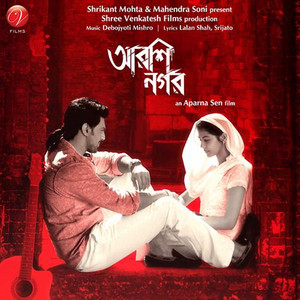 | Barir Kache Arshinagar | Parbati Das Baul | A♭ Minor | 3 | 1A | 136 BPM | |
 | AMAR HIYAR MAJHE | Sanchita Roy | B♭ Major | 4 | 6B | 140 BPM | |
 | Ami Opar Hoye | Pousali Banerjee | G Major | 5 | 9B | 155 BPM | |
 | Pitha-Pulir Gaan | JOler gaan | D Major | 6 | 10B | 105 BPM | |
 | O Tota Pakhi Re | Nirmala Mishra, Prabir Mazumder | F♯ Major | 3 | 2B | 120 BPM | |
 | Ek Je Chhilo Raja | Anup Ghoshal, Rabi Ghosh | A Minor | 1 | 8A | 138 BPM | |
 | Alo Amar Alo Ogo | Indranil Sen, Sreeradha Banerjee | C Major | 2 | 8B | 107 BPM | |
 | Tumi Sandhyar Meghmala - Kabir Suman | Kabir Suman | F Major | 3 | 7B | 134 BPM | |
 | E Ki Labonye Purnyo Pran - Rabindra Sangeet | Sounak Chattopadhyay, Rabindranath Tagore | C Major | 2 | 8B | 180 BPM | |
 | Gram Chara Oi | Rupmanjuri Das, Kaushik Acharjee, Rabindranath Tagore | A♭ Major | 7 | 4B | 110 BPM | |
 | Dhono Dhanno Puspa Bhora | Jayati Chakraborty | E♭ Major | 9 | 5B | 80 BPM | |
 | Megh Bolechhe | Sunidhi Chauhan, Soumyojit | D♭ Major | 5 | 3B | 85 BPM | |
 | Sokatore | Sharana Sengupta, Palashi Ghose, Utsa Biswas, Soumita Ghosh, Shabnam Parvin | D Major | 4 | 10B | 148 BPM | |
 | Jatajutasamayuktamardhendukrita-Sekharam | Chorus | A♭ Major | 3 | 4B | 103 BPM | |
 | Amalo Dhabalo Pale Legechhe (From "Manobjomin") | Rabindranath Tagore, Indranil Sen | C Major | 3 | 8B | 98 BPM | |
 | Aar Gaan Bananor Nei | Nilanjan Ghosal, Ritwick Maity | C Major | 1 | 8B | 130 BPM | |
 | Ektuku Chhoan Lage (From "Roilo Nishana") | Pijushkanti Sarkar, Rabindranath Tagore | D Minor | 5 | 7A | 70 BPM |
- ISRC
- INH119713520
- Label
- L-M Records/RCA Records