- BPM
- 96
- Key
- E Major
- Camelot
- 12B
Who Knows Where The Time Goes by Renée Fleming, Brad Mehldau Song Details
Renée Fleming, Brad Mehldau's 'Who Knows Where The Time Goes' had a release date set for January 1, 2013. With this song being around four minutes long, at 4:25, the duration of this song is pretty average compared to other songs. This track is safe for children and doesn't appear to contain any foul language, since the "Explicit" tag was not present in this track. The song is number 6 out of 13 in Christmas In New York by Renée Fleming. Going off of the ISRC code of this track, we detected that the origin of this track is from United Kingdom. In terms of popularity, Who Knows Where The Time Goes is currently not that popular. In our opinion, the overall tone is not very danceable and projects negative sounds, such as being sad, depressed, or angry.
BPM and Tempo
The tempo marking of Who Knows Where The Time Goes by Renée Fleming, Brad Mehldau is Andante (at a walking pace), since this song has a tempo of 96 BPM. With that information, we can conclude that the song has a slow tempo. The time signature for this track is 4/4.
Music Key
This song has a musical key of E Major. This also means that this song has a camelot key of 12B. So, the perfect camelot match for 12B would be either 12B or 1A. While, 1B can give you a low energy boost. For moderate energy boost, you would use 9B and a high energy boost can either be 2B or 7B. Though, if you want a low energy drop, you should looking for songs with either a camelot key of 12A or 11B will give you a low energy drop, 3B would be a moderate one, and 10B or 5B would be a high energy drop. Lastly, 9A allows you to change the mood.
Want to find the BPM and music key for other songs? Check out our BPM and Key Finder page!
- Popularity
- 12%
- Loudness
- -16.277 dB
- Acousticness
- 97%
- Danceability
- 36%
- Energy
- 11%
- Instrumentalness
- 4%
- Liveness
- 11%
- Loudness
- 73%
- Speechiness
- 3%
- Valence
- 27%
Recommendations
| Track | Artist | Key | Energy | Camelot | BPM | ||
|---|---|---|---|---|---|---|---|
 | The Medium: Monica's Waltz | Gian Carlo Menotti, Renée Fleming, Metropolitan Opera Orchestra, James Levine | F Major | 1 | 7B | 98 BPM | |
 | Chorus Of The Hebrew Slaves (Nabucco) | Choir and Orchestra of the Budapest State Opera, Josif Conta, Consortium Musicum Ljubjlana | D♭ Major | 0 | 3B | 142 BPM | |
 | Warsaw Concerto | Richard Addinsell, Jean-Yves Thibaudet, BBC Symphony Orchestra, Hugh Wolff | B Major | 1 | 1B | 76 BPM | |
 | Puccini: Gianni Schicchi: "O mio babbino caro" (Lauretta) | Giacomo Puccini, Montserrat Caballé, Sir Charles Mackerras, London Symphony Orchestra | C Major | 1 | 8B | 72 BPM | |
 | Ave Maria | Maria Callas | D♭ Major | 2 | 3B | 126 BPM | |
 | The Elevator | Rachel Porter's All Female Orchestra | B Major | 1 | 1B | 167 BPM | |
 | Dido and Aeneas: Dido's Lament | Jessye Norman | C Minor | 2 | 5A | 89 BPM | |
 | Thaïs / Acte Deux: Etranger, te voilà comme tu l'avais dit | Jules Massenet, Renée Fleming, Thomas Hampson, Orchestre National Bordeaux Aquitaine, Yves Abel | D Major | 2 | 10B | 94 BPM | |
 | West Side Story: V. Maria | Leonard Bernstein, José Carreras, Leonard Bernstein Orchestra | E♭ Major | 1 | 5B | 90 BPM | |
 | Symphony No. 5 In C Sharp Minor: 4. Adagietto (Sehr langsam) | Gustav Mahler, Gyeonggi Philharmonic Orchestra, Shi-Yeon Sung | F Major | 0 | 7B | 82 BPM | |
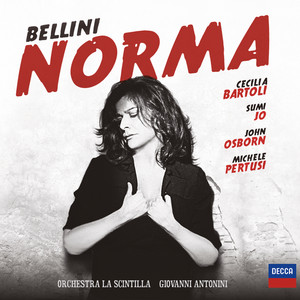 | Norma (Ed. Biondi & Minasi), Act I Scene 1: Casta Diva | Vincenzo Bellini, Cecilia Bartoli, International Chamber Vocalists, Orchestra La Scintilla, Giovanni Antonini | F Major | 1 | 7B | 176 BPM | |
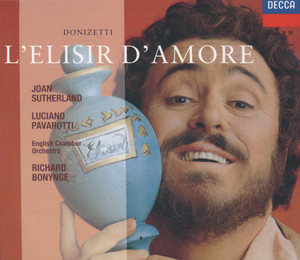 | L'elisir d'amore / Act 2: "Una furtiva lagrima...Eccola!" | Gaetano Donizetti, Luciano Pavarotti, Dame Joan Sutherland, English Chamber Orchestra, Richard Bonynge | F Minor | 1 | 4A | 175 BPM | |
 | Barber: Adagio for Strings, Op. 11 | Samuel Barber, Philadelphia Orchestra, Eugene Ormandy | B♭ Minor | 1 | 3A | 80 BPM | |
 | Verdi: Rigoletto, Act 3: "La donna è mobile" (Duca) | Giuseppe Verdi, Carlo Rizzi, Orchestra of Welsh National Opera, Richard Leech | D Major | 1 | 10B | 131 BPM | |
 | Barcarolle: Schöne Nacht, du Liebesnacht - Hoffmanns Erzählungen | Jacques Offenbach, Jesús López-Cobos, Hei-Kyung Hong, Jennifer Larmore, Munich Radio Orchestra | D Major | 2 | 10B | 81 BPM | |
 | Così fan tutte, K.588 / Act 1: "Come scoglio" - Live | Wolfgang Amadeus Mozart, Renée Fleming, David Syrus, Chamber Orchestra of Europe, Sir Georg Solti | F Major | 1 | 7B | 118 BPM | |
 | 4 Letzte Lieder, TrV 296: No. 2, September | Richard Strauss, Renée Fleming, Munich Philharmonic Orchestra, Christian Thielemann | F♯ Major | 1 | 2B | 81 BPM | |
 | Handel: Rinaldo, HWV 7, Act 2: "Lascia ch'io pianga" (Almirena) | George Frideric Handel, Joyce DiDonato, Maxim Emelyanychev, Il Pomo D'oro | E Major | 0 | 12B | 76 BPM | |
 | Lohengrin, WWV 75: Prelude to Act I | Richard Wagner, Gewandhausorchester, Andris Nelsons | A Major | 1 | 11B | 72 BPM | |
 | Symphony No. 5 in C-Sharp Minor: IV. Adagietto. Sehr langsam | Gustav Mahler, Leonard Bernstein, New York Philharmonic | B♭ Major | 3 | 6B | 96 BPM | |
 | Rinaldo: Lascia ch'io pianga | Lesley Garrett, Ivor Bolton, Philharmonia Orchestra | D Major | 2 | 10B | 106 BPM | |
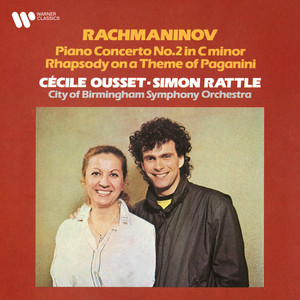 | Rachmaninov: Rhapsody on a Theme of Paganini, Op. 43: Variation XVIII. Andante cantabile | Sergei Rachmaninoff, Cecile Ousset, City Of Birmingham Symphony Orchestra, Sir Simon Rattle | C Major | 2 | 8B | 106 BPM | |
| The Ballad of Baby Doe: The Letter Song | Douglas Moore, Renée Fleming, Metropolitan Opera Orchestra, James Levine | F♯ Minor | 1 | 11A | 84 BPM | |
 | Tristan & Isolde: Isoldes Liebestod | Richard Wagner, Edo de Waart | B Major | 1 | 1B | 66 BPM | |
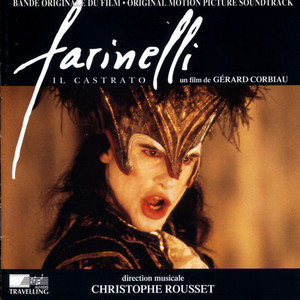 | Polifemo: Alto giove (Air d'Acio) - Instrumental Version | Christophe Rousset, Les Talens Lyriques, Ewa Mallas-godlewska, Derek Lee Ragin | E♭ Minor | 0 | 2A | 141 BPM |
- ISRC
- GBF071401640
- Label
- L-M Records/RCA Records