- BPM
- 81
- Key
- C Major
- Camelot
- 8B
Piano Concerto No. 4 in G Minor, Op. 40 (1941 3rd Version): II. Largo by Sergei Rachmaninoff, Yuja Wang, Los Angeles Philharmonic, Gustavo Dudamel Song Details
"Piano Concerto No. 4 in G Minor, Op. 40 (1941 3rd Version): II. Largo" by Sergei Rachmaninoff, Yuja Wang, Los Angeles Philharmonic, Gustavo Dudamel had its release date on September 1, 2023. This song is about six minutes long, preciously at 6:19, making this song fairly long compared to other songs. There are a total of 37 in the song's album "Rachmaninoff: The Piano Concertos & Paganini Rhapsody". In this album, this song's track order is #8. Furthermore, we believe that the track originated from Germany. Piano Concerto No. 4 in G Minor, Op. 40 (1941 3rd Version): II. Largo is below average in popularity right now. In our opinion, the overall tone is not very danceable and projects negative sounds, such as being sad, depressed, or angry.
BPM and Tempo
With Piano Concerto No. 4 in G Minor, Op. 40 (1941 3rd Version): II. Largo by Sergei Rachmaninoff, Yuja Wang, Los Angeles Philharmonic, Gustavo Dudamel having a BPM of 81 with a half-time of 40 BPM and a double-time of 162 BPM, we would consider this track to have a Andante (at a walking pace) tempo marking. Because of this, we believe that the song has an overall slow tempo. The time signature for this track is 4/4.
Music Key
This song has a musical key of C Major. Or for those who are familiar with the camelot wheel, this song has a camelot key of 8B. So, the perfect camelot match for 8B would be either 8B or 9A. While, 9B can give you a low energy boost. For moderate energy boost, you would use 5B and a high energy boost can either be 10B or 3B. Though, if you want a low energy drop, you should looking for songs with either a camelot key of 8A or 7B will give you a low energy drop, 11B would be a moderate one, and 6B or 1B would be a high energy drop. Lastly, 5A allows you to change the mood.
Want to find the BPM and music key for other songs? Check out our BPM and Key Finder page!
- Popularity
- 24%
- Loudness
- -22.97 dB
- Acousticness
- 98%
- Danceability
- 25%
- Energy
- 3%
- Instrumentalness
- 91%
- Liveness
- 10%
- Loudness
- 62%
- Speechiness
- 3%
- Valence
- 4%
Recommendations
| Track | Artist | Key | Energy | Camelot | BPM | ||
|---|---|---|---|---|---|---|---|
 | Bist du bei mir (Formerly Attrib. J.S. Bach as BWV 508, Transcr. for Oboe, Solo Violin, Strings and Basso continuo) | Gottfried Heinrich Stölzel, Albrecht Mayer, Gottfried Von Der Goltz, Berliner Barock Solisten | E♭ Major | 1 | 5B | 62 BPM | |
 | Lieder ohne Worte, Book 8, Op. 102: VI. Andante, MWV U172 | Felix Mendelssohn, Javier Perianes | C Major | 0 | 8B | 69 BPM | |
 | Piano Sextet in D Major, Op. 110, MWV Q16: IV. Allegro vivace - Live | Felix Mendelssohn, Yuja Wang, Kirill Troussov, David Aaron Carpenter, Maxim Rysanov, Sol Gabetta, Leigh Mesh | E♭ Major | 2 | 5B | 107 BPM | |
 | Notturno in G Minor | Fanny Mendelssohn, Heather Schmidt | G Minor | 1 | 6A | 125 BPM | |
 | You Come Here Often? | Michael Tilson Thomas, Yuja Wang | F Major | 3 | 7B | 104 BPM | |
 | Piano Concerto in C-Sharp Minor, FP 146: I. Allegretto commodo - Live | Francis Poulenc, Yannick Nézet-Séguin, London Philharmonic Orchestra, Alexandre Tharaud | A♭ Major | 1 | 4B | 86 BPM | |
 | Etude in F Minor | Felix Mendelssohn, Benjamin Frith | B♭ Major | 0 | 6B | 75 BPM | |
 | Concerto in C-Sharp Minor for Piano and Orchestra: III. Rondeau á la Francaise: Presto giocoso | Tbilisi Symphony Orchestra, Manana Doidzhashvili | E Major | 0 | 12B | 79 BPM | |
 | Symphony No. 3 in E flat, Op. 97 - "Rhenish": 4. Feierlich | Robert Schumann, Los Angeles Philharmonic, Carlo Maria Giulini | E♭ Minor | 1 | 2A | 75 BPM | |
 | 6 Sonatas for Violin Solo, Op. 27: Sonata No. 6 in E Major | Eugène Ysaÿe, Hilary Hahn | A Major | 2 | 11B | 103 BPM | |
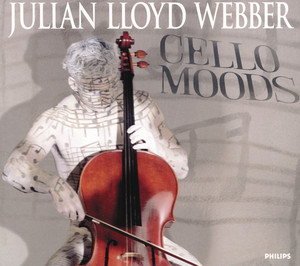 | Ave Maria | Giulio Caccini, Julian Lloyd Webber, Royal Philharmonic Orchestra, James Judd | E Minor | 1 | 9A | 170 BPM | |
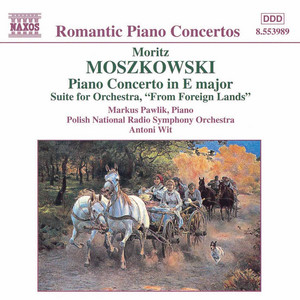 | Aus aller Herren Landern (From Foreign Lands), Op. 23: III. German: Andante | Moritz Moszkowski, Markus Pawlik, Polish National Radio Symphony Orchestra, Antoni Wit | F Major | 0 | 7B | 58 BPM | |
 | Piano Concerto No. 2 in C Minor, Op. 18: II. Adagio sostenuto | Sergei Rachmaninoff, Yuja Wang, Los Angeles Philharmonic, Gustavo Dudamel | G Major | 1 | 9B | 171 BPM | |
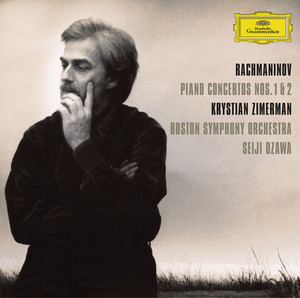 | Piano Concerto No.1 In F Sharp Minor, Op.1: 2. Andante | Sergei Rachmaninoff, Krystian Zimerman, Boston Symphony Orchestra, Seiji Ozawa | G Major | 0 | 9B | 107 BPM | |
 | Two Serenades, Op.69: 1. Andante assai, Op.69 No.1 - In D Major | Jean Sibelius, Anne-Sophie Mutter, Staatskapelle Dresden, André Previn | D Major | 0 | 10B | 108 BPM | |
 | Symphony No. 3 In C Minor, Op. 78 "Organ Symphony": 1. Adagio - Allegro moderato - Poco adagio | Camille Saint-Saëns, Simon Preston, Berliner Philharmoniker, James Levine | A♭ Major | 1 | 4B | 118 BPM | |
 | 10 Preludes, Op. 23: No. 2 in B-Flat Major: Maestoso | Sergei Rachmaninoff, Eldar Nebolsin | D♭ Major | 1 | 3B | 63 BPM | |
 | Recueil de chants, Op. 65: No. 6, Barcarolle | Charles-Valentin Alkan, Bruce Liu | G Minor | 0 | 6A | 70 BPM | |
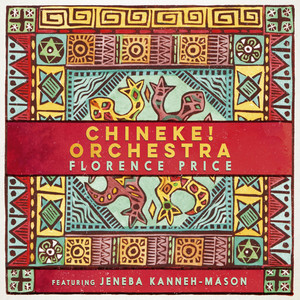 | Piano Concerto in One Movement: Andantino - Allegretto | Florence Beatrice Price, Jeneba Kanneh-Mason, Chineke! Orchestra, Leslie Suganandarajah | B♭ Major | 2 | 6B | 116 BPM | |
| Violin Concerto in D Minor, Op. 47: III. Allegro, ma non tanto | Jean Sibelius, Anne-Sophie Mutter, Staatskapelle Dresden, André Previn | D Major | 2 | 10B | 112 BPM | |
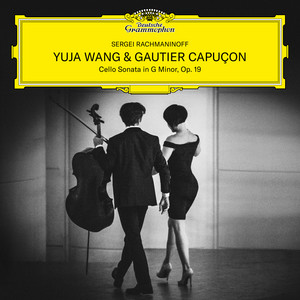 | Cello Sonata in G Minor, Op. 19: IV. Allegro mosso | Sergei Rachmaninoff, Gautier Capuçon, Yuja Wang | G Major | 1 | 9B | 77 BPM | |
| Piano Concerto No. 3 in D Minor, Op. 30: II. Intermezzo. Adagio | Sergei Rachmaninoff, Yuja Wang, Los Angeles Philharmonic, Gustavo Dudamel | D Major | 3 | 10B | 131 BPM | |
 | Symphony No. 2 in D Major, Op. 43: III. Vivacissimo | Jean Sibelius, Berliner Philharmoniker, Sir Simon Rattle | F♯ Major | 1 | 2B | 89 BPM | |
 | Piano Concerto: I. Overture. Swing | Teddy Abrams, Yuja Wang, Louisville Orchestra | F Minor | 5 | 4A | 85 BPM | |
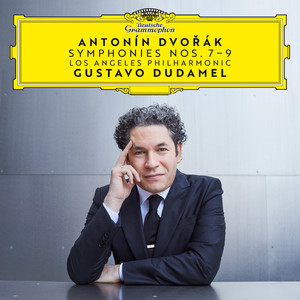 | Symphony No. 8 in G Major, Op. 88, B. 163: III. Allegretto grazioso - Molto vivace | Antonín Dvořák, Los Angeles Philharmonic, Gustavo Dudamel | C Major | 1 | 8B | 127 BPM |
- ISRC
- DEN962301472
- Label
- L-M Records/RCA Records