- BPM
- 79
- Key
- E♭ Major
- Camelot
- 5B
Guten Abend, gut Nacht by Johannes Brahms, André Rieu Song Details
"Guten Abend, gut Nacht" by Johannes Brahms, André Rieu had its release date on January 1, 2002. The duration of This song is about two minutes long, specifically at 2:22. This song does not appear to have any foul language. Guten Abend, gut Nacht's duration is considered a little bit shorter than the average duration of a typical track. This song is part of Walzertraum by André Rieu. The song's track number on the album is #19 out of 19 tracks. Based on our data, Germany was the country where this track was produced or recorded. Guten Abend, gut Nacht is not that popular right now. In our opinion, the overall tone is not very danceable and projects negative sounds, such as being sad, depressed, or angry.
BPM and Tempo
Since Guten Abend, gut Nacht by Johannes Brahms, André Rieu has a tempo of 79 beats per a minute, the tempo markings of this song would be Andante (at a walking pace). With Guten Abend, gut Nacht being at 79 BPM, the half-time would be 40 BPM with a double-time of 158 BPM.In addition, we consider the tempo speed to be pretty slow for this song. The time signature for this track is 4/4.
Music Key
This song is in the music key of E♭ Major. Or for those who are familiar with the camelot wheel, this song has a camelot key of 5B. So, the perfect camelot match for 5B would be either 5B or 6A. While, 6B can give you a low energy boost. For moderate energy boost, you would use 2B and a high energy boost can either be 7B or 12B. Though, if you want a low energy drop, you should looking for songs with either a camelot key of 5A or 4B will give you a low energy drop, 8B would be a moderate one, and 3B or 10B would be a high energy drop. Lastly, 2A allows you to change the mood.
Want to find the BPM and music key for other songs? Check out our BPM and Key Finder page!
- Popularity
- 9%
- Loudness
- -14.964 dB
- Acousticness
- 74%
- Danceability
- 10%
- Energy
- 24%
- Instrumentalness
- 55%
- Liveness
- 12%
- Loudness
- 75%
- Speechiness
- 4%
- Valence
- 9%
Recommendations
| Track | Artist | Key | Energy | Camelot | BPM | ||
|---|---|---|---|---|---|---|---|
 | Serenade in C Major, Op. 48: II. Walzer | Pyotr Ilyich Tchaikovsky, Vienna Chamber Orchestra, Philippe Entremont | G Major | 2 | 9B | 180 BPM | |
 | Albumblatt in A Minor | Johannes Brahms, Sophie-Mayuko Vetter | D Minor | 0 | 7A | 165 BPM | |
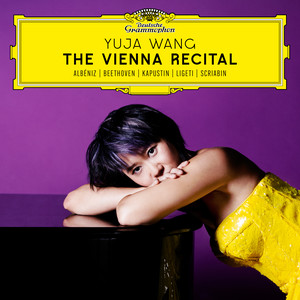 | Orfeo ed Euridice, Wq. 30: Melodie dell'Orfeo (Arr. Sgambati for Piano) | Yuja Wang | D♭ Minor | 1 | 12A | 80 BPM | |
 | Scriabin: 24 Preludes, Op. 11: No. 21 in B-Flat Major | Alexander Scriabin, Mikhail Pletnev | E♭ Major | 0 | 5B | 70 BPM | |
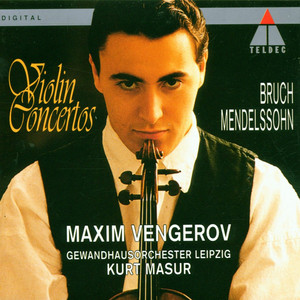 | Bruch: Violin Concerto No. 1 in G Minor, Op. 26: II. Adagio | Max Bruch, Maxim Vengerov, Kurt Masur, Gewandhausorchester | E♭ Major | 1 | 5B | 110 BPM | |
 | 21 Hungarian Dances, WoO 1: Hungarian Dance No. 6 in D-Flat Major | Johannes Brahms, Seattle Symphony Orchestra, Gerard Schwarz | D Major | 1 | 10B | 81 BPM | |
 | Holberg Suite, Op. 40: IV. Air (Andante religioso) | Edvard Grieg, Gothenburg Symphony Orchestra, Neeme Järvi | C Major | 1 | 8B | 79 BPM | |
 | 6 Violin Sonatas, Op. 10b No. 3 in D Minor, J. 101: I. Air russe. Allegretto moderato | Carl Maria von Weber, Nino Gvetadze, Frederieke Saeijs | D Minor | 1 | 7A | 113 BPM | |
 | Piazzolla: Oblivion | Julian Lloyd Webber, John Lenehan | D Minor | 0 | 7A | 81 BPM | |
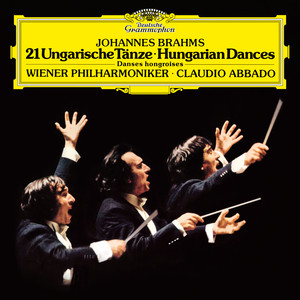 | 21 Hungarian Dances, WoO 1: Hungarian Dance No. 3 in F Major. Allegretto (Orch. Brahms) | Johannes Brahms, Wiener Philharmoniker, Claudio Abbado | F Major | 0 | 7B | 77 BPM | |
 | Adagio in E Major, K. 261 | Wolfgang Amadeus Mozart, Pinchas Zukerman, Saint Paul Chamber Orchestra | E Major | 1 | 12B | 100 BPM | |
 | Flute Sonata in E-Flat Major, BWV 1031: II. Siciliano (Arr. for Piano by Ignaz Friedman) | Johann Sebastian Bach, Joseph Banowetz | G Minor | 0 | 6A | 73 BPM | |
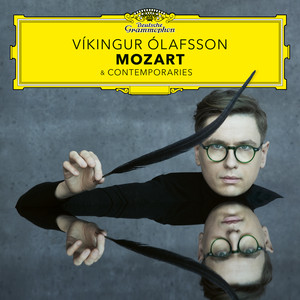 | Sonata No. 42 in D Minor (Arr. Ólafsson) | Domenico Cimarosa, Víkingur Ólafsson | D Minor | 0 | 7A | 61 BPM | |
 | The Well-Tempered Clavier, Book 1: Prelude No. 1 in C Major BWV 846/1 | Johann Sebastian Bach, Pierre-Laurent Aimard | B Minor | 0 | 10A | 95 BPM | |
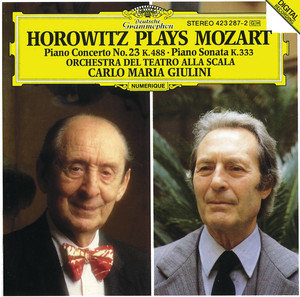 | Piano Concerto No. 23 in A Major, K. 488: I. Allegro (Cadenza by Busoni) | Wolfgang Amadeus Mozart, Vladimir Horowitz, Orchestra Del Teatro Alla Scala, Milano, Carlo Maria Giulini | A Major | 1 | 11B | 140 BPM | |
 | Orfeo ed Euridice, Wq. 30 / Act II: Dance of the Blessed Spirits (Arr. by Mathieu Herzog for Cello and Strings) | Christoph Willibald Gluck, Camille Thomas, Brussels Philharmonic, Mathieu Herzog | B Minor | 1 | 10A | 87 BPM | |
 | Keyboard Concerto No. 5 in F Minor, BWV 1056: II. Largo | Johann Sebastian Bach, Glenn Gould, Vladimir Golschmann, Columbia Symphony Orchestra | F Minor | 0 | 4A | 61 BPM | |
 | Romance for Violin and Piano, Op. 23 | Amy Beach, Esther Abrami, Iyad Sughayer | A Major | 2 | 11B | 87 BPM | |
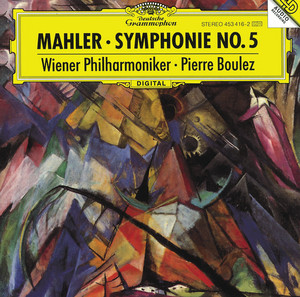 | Symphony No. 5: IV. Adagietto. Sehr langsam | Gustav Mahler, Wiener Philharmoniker, Pierre Boulez | F Major | 0 | 7B | 87 BPM | |
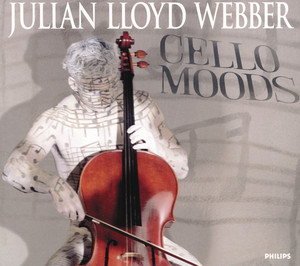 | Mélodie, Op. 20, No. 1 | Alexander Glazunov, Julian Lloyd Webber, Royal Philharmonic Orchestra, James Judd | D Major | 1 | 10B | 84 BPM | |
 | 4 Klavierstücke, Op. 119: No. 1, Intermezzo in B Minor | Johannes Brahms, Jeremy Denk | B Minor | 0 | 10A | 68 BPM | |
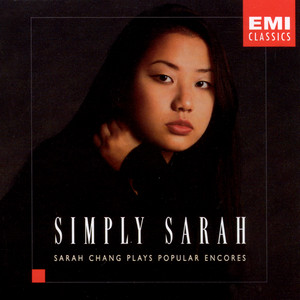 | Zapateado Op. 23 | Pablo de Sarasate, Sarah Chang, Charles Abramovic | A Major | 3 | 11B | 113 BPM | |
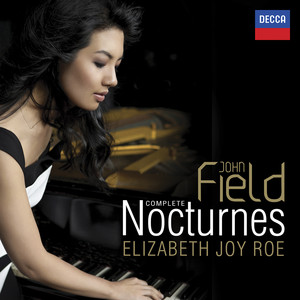 | Nocturne No. 1 in E-Flat Major, H. 24 | John Field, Elizabeth Joy Roe | E♭ Major | 0 | 5B | 75 BPM | |
 | Violin Concerto No. 5 in A Major, K. 219 "Turkish": III. Rondeau. Tempo di Menuetto | Wolfgang Amadeus Mozart, Arabella Steinbacher, Daniel Dodds, Lucerne Festival Strings | A Major | 1 | 11B | 118 BPM | |
 | 3 Romances sans paroles, Op. 17: No. 3 in A-Flat Major (Arr. P. Gouin for Cello & Piano) | Gabriel Fauré, Jesper Svedberg, Simon Crawford-Phillips | A Major | 0 | 11B | 79 BPM |
- ISRC
- DEN120206371
- Label
- L-M Records/RCA Records