- BPM
- 62
- Key
- C Major
- Camelot
- 8B
Swan Lake, Op. 20, Pt. 3: IV. Pas de six. Variation 4 (Allegro) by Pyotr Ilyich Tchaikovsky, Royal Philharmonic Orchestra, Nicolae Moldoveanu Song Details
Pyotr Ilyich Tchaikovsky, Royal Philharmonic Orchestra, Nicolae Moldoveanu's 'Swan Lake, Op. 20, Pt. 3: IV. Pas de six. Variation 4 (Allegro)' had a release date set for 2010. With This song being less than two minutes long, at 1:04, we are fairly confident that this song is not explicit and is safe for all ages. Based on the duration of this song, this song duration is much smaller than the average song duration. There are a total of 108 in the song's album "Tchaikovsky: Complete Ballets". In this album, this song's track order is #34. Furthermore, we believe that the track originated from Netherlands. Swan Lake, Op. 20, Pt. 3: IV. Pas de six. Variation 4 (Allegro) is not that popular right now. Although the overall vibe is very danceable, it does project more negative sounds.
BPM and Tempo
With Swan Lake, Op. 20, Pt. 3: IV. Pas de six. Variation 4 (Allegro) by Pyotr Ilyich Tchaikovsky, Royal Philharmonic Orchestra, Nicolae Moldoveanu having a BPM of 62 with a half-time of 31 BPM and a double-time of 124 BPM, we would consider this track to have a Larghetto (rather broadly) tempo marking. Because of this, we believe that the song has an overall slow tempo. The time signature for this track is 4/4.
Music Key
This song has a musical key of C Major. Or for those who are familiar with the camelot wheel, this song has a camelot key of 8B. So, the perfect camelot match for 8B would be either 8B or 9A. While, 9B can give you a low energy boost. For moderate energy boost, you would use 5B and a high energy boost can either be 10B or 3B. Though, if you want a low energy drop, you should looking for songs with either a camelot key of 8A or 7B will give you a low energy drop, 11B would be a moderate one, and 6B or 1B would be a high energy drop. Lastly, 5A allows you to change the mood.
Want to find the BPM and music key for other songs? Check out our BPM and Key Finder page!
- Popularity
- 4%
- Loudness
- -15.769 dB
- Acousticness
- 98%
- Danceability
- 62%
- Energy
- 38%
- Instrumentalness
- 92%
- Liveness
- 8%
- Loudness
- 74%
- Speechiness
- 6%
- Valence
- 27%
Recommendations
| Track | Artist | Key | Energy | Camelot | BPM | ||
|---|---|---|---|---|---|---|---|
 | Mendelssohn: Violin Concerto in E Minor Op. 64: I. Allegro molto appassionato | Felix Mendelssohn, Maxim Vengerov, Kurt Masur, Gewandhausorchester Leipzig | E Minor | 2 | 9A | 101 BPM | |
 | Coppélia: Galop final | Léo Delibes, Orchestra of the Royal Opera House, Covent Garden | E♭ Major | 3 | 5B | 79 BPM | |
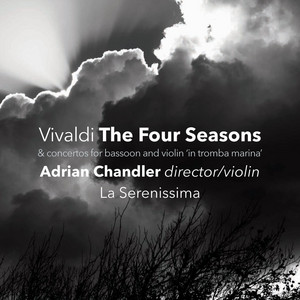 | The Four Seasons - Summer in G Minor, RV. 315: I. Allegro non molto – Allegro | Antonio Vivaldi, Adrian Chandler, La Serenissima | G Minor | 2 | 6A | 147 BPM | |
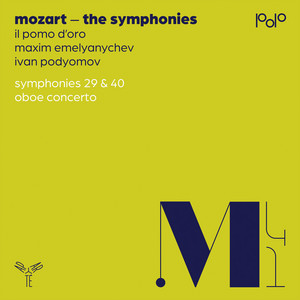 | Symphony No. 40 in G Minor, K. 550: I. Molto allegro | Wolfgang Amadeus Mozart, Il Pomo D'oro, Maxim Emelyanychev | C Major | 1 | 8B | 163 BPM | |
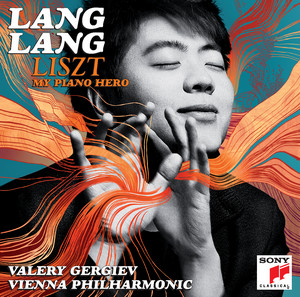 | Liebestraum No. 3 in A-Flat Major, S. 541 / 3 | Franz Liszt, Lang Lang | A♭ Major | 0 | 4B | 137 BPM | |
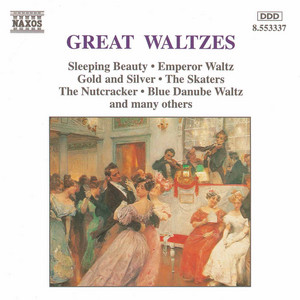 | Gold Und Silber (Gold And Silver), Op. 79 | Slovak Radio Symphony Orchestra, Franz Lehár | C Major | 1 | 8B | 81 BPM | |
 | Danse macabre in G Minor, Op. 40 | Camille Saint-Saëns, Slovak Radio Symphony Orchestra, Keith Clark | G Minor | 2 | 6A | 116 BPM | |
 | Les danses polovtsiennes (Extraits de l'opéra Le Prince Igor): II. Danse des hommes | Alexander Borodin, Anima Eterna, Jos Van Immerseel | A Major | 0 | 11B | 87 BPM | |
 | Zapateado Op. 23 | Pablo de Sarasate, Sarah Chang, Charles Abramovic | A Major | 3 | 11B | 113 BPM | |
 | Holberg Suite, Op. 40: II. Sarabande (Andante) | Edvard Grieg, Gothenburg Symphony Orchestra, Neeme Järvi | A Major | 1 | 11B | 87 BPM | |
 | Pelléas et Mélisande Suite, Op. 80: III. Sicilienne. Allegretto molto moderato | Gabriel Fauré, Berliner Philharmoniker, Daniel Barenboim | E♭ Major | 0 | 5B | 56 BPM | |
 | La Bayadere, Act III: 39. "Entrance of the Shades" | Evergreen Symphony Orchestra, Kevin Galiè | D Major | 0 | 10B | 76 BPM | |
 | The Sleeping Beauty, Ballet Suite, op. 66a: Waltz | New Philharmonia Orchestra London, Lawrence Siegel | B♭ Major | 1 | 6B | 108 BPM | |
 | Piano Concerto No. 2 in F Major, Op. 102: II. Andante | Dmitri Shostakovich, I Musici de Montréal, Maxim Shostakovich | C Minor | 0 | 5A | 177 BPM | |
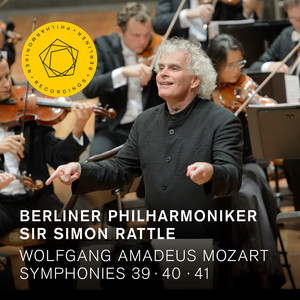 | Symphony No. 40 in G Minor, K. 550: I. Molto allegro | Wolfgang Amadeus Mozart, Berliner Philharmoniker, Sir Simon Rattle | G Minor | 2 | 6A | 110 BPM | |
 | String Quartet No. 2 in D Major: III. Notturno: Andante | Alexander Borodin, Budapest Haydn Quartet | A Major | 1 | 11B | 89 BPM | |
 | Serenade for Strings in E Major, Op. 22, B. 52: I. Moderato | Antonín Dvořák, Prague Chamber Orchestra, Petr Skvor | E Major | 1 | 12B | 83 BPM | |
 | Verdi: Ballet (Otello): Verdi: Ballet (Otello) | Giuseppe Verdi, Munich Radio Orchestra, Ivan Repušić | A Minor | 0 | 8A | 120 BPM | |
 | Scènes de ballet, Op. 52: II. Marionnettes | Alexander Glazunov, Moscow Philharmonic Orchestra, Alexander Anissimov | D Major | 0 | 10B | 69 BPM | |
 | Études d'exécution transcendante: Wilde Jagd (No. 8) | Franz Liszt, Evgeny Kissin | C Minor | 2 | 5A | 108 BPM | |
 | Vivaldi: The Four Seasons, Violin Concerto in F Major, Op. 8 No. 3, RV 293 "Autumn": III. Allegro "La caccia" | Antonio Vivaldi, Itzhak Perlman, Israel Philharmonic Orchestra | C Major | 2 | 8B | 154 BPM | |
 | Lyric Pieces, Book 1, Op. 12: Arietta | Edvard Grieg, Einar Steen-Nøkleberg | E♭ Major | 0 | 5B | 111 BPM | |
 | Ruslan and Lyudmila, Op. 5, Overture | Mikhail Glinka, Alexander Vedernikov, Bolshoi Theatre Orchestra | E Minor | 1 | 9A | 151 BPM | |
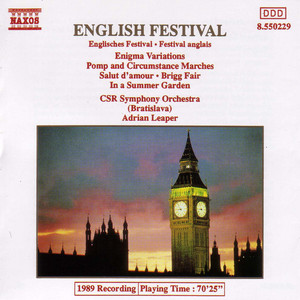 | Salut d'amour, Op. 12 (version for orchestra) | Edward Elgar, Slovak Radio Symphony Orchestra, Adrian Leaper | B♭ Major | 1 | 6B | 82 BPM | |
 | Dance of the Hours from Act III of "La Gioconda" | Amilcare Ponchielli, Philadelphia Orchestra, Eugene Ormandy | E Major | 1 | 12B | 130 BPM |
- ISRC
- NLY331412643
- Label
- L-M Records/RCA Records