- BPM
- 81
- Key
- A Major
- Camelot
- 11B
ラフマニノフ:前奏曲嬰ハ短調「鐘」Op.3-2 管弦楽版 by Sergei Rachmaninoff, のだめオーケストラ Song Details
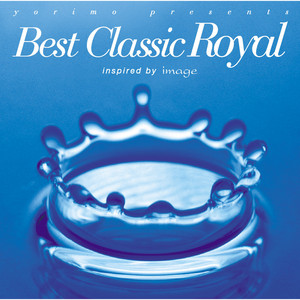
"ラフマニノフ:前奏曲嬰ハ短調「鐘」Op.3-2 管弦楽版" by Sergei Rachmaninoff, のだめオーケストラ had its release date on September 15, 2010. With this song being about 5 minutes long, at This song is fairly a long song compared to the average song length. This song does not have an "Explicit" tag, making it safe for all ages. The song is number 11 out of 12 in Best Classic Royal by Various Artists. Going off of the ISRC code of this track, we detected that the origin of this track is from Japan. ラフマニノフ:前奏曲嬰ハ短調「鐘」Op.3-2 管弦楽版 is not that popular right now. In our opinion, the overall tone is not very danceable and projects negative sounds, such as being sad, depressed, or angry.
BPM and Tempo
The tempo marking of ラフマニノフ:前奏曲嬰ハ短調「鐘」Op.3-2 管弦楽版 by Sergei Rachmaninoff, のだめオーケストラ is Andante (at a walking pace), since this song has a tempo of 81 BPM. With that information, we can conclude that the song has a slow tempo. The time signature for this track is 4/4.
Music Key
This song has a musical key of A Major. This also means that this song has a camelot key of 11B. So, the perfect camelot match for 11B would be either 11B or 12A. While, 12B can give you a low energy boost. For moderate energy boost, you would use 8B and a high energy boost can either be 1B or 6B. Though, if you want a low energy drop, you should looking for songs with either a camelot key of 11A or 10B will give you a low energy drop, 2B would be a moderate one, and 9B or 4B would be a high energy drop. Lastly, 8A allows you to change the mood.
Want to find the BPM and music key for other songs? Check out our BPM and Key Finder page!
- Popularity
- 14%
- Loudness
- -16.262 dB
- Acousticness
- 95%
- Danceability
- 14%
- Energy
- 11%
- Instrumentalness
- 82%
- Liveness
- 17%
- Loudness
- 73%
- Speechiness
- 4%
- Valence
- 4%
Recommendations
| Track | Artist | Key | Energy | Camelot | BPM | ||
|---|---|---|---|---|---|---|---|
 | ガブリエルのオーボエ | E. モリコーネ, 大森義基(サックス), 高江洲愛(ハープ), 萩原通友(マリンバ&パーカッション) | D Major | 1 | 10B | 69 BPM | |
 | 組曲「惑星」より 木星 | 東京都/駒澤大学吹奏楽部 | C Major | 1 | 8B | 130 BPM | |
 | My Country, JB 1:112: No. 2, Vltava | Bedřich Smetana, Czech Philharmonic, Jiří Bělohlávek | E Minor | 1 | 9A | 112 BPM | |
 | 愛の挨拶 | Edward Elgar, Mariko Senju, 山洞 智 | A Major | 1 | 11B | 80 BPM | |
 | エチュード「革命」 作品10-12(ショパン) | Frédéric Chopin, Ewa Pobłocka | C Major | 0 | 8B | 136 BPM | |
 | スターライト・ウインク | フィルハーモニック・ウインズ 大阪 | B♭ Major | 1 | 6B | 73 BPM | |
 | ペール・ギュント (第1組曲 「朝」) | グレイテストクラシック音楽 | G Major | 1 | 9B | 88 BPM | |
 | 愛の喜び | フリッツ・クライスラー, ジャン=ジャック・カントロフ, Jacques Rouvier | F Major | 1 | 7B | 130 BPM | |
 | パリは燃えているか - ブラス・ヴァージョン | Takashi Kako | G Minor | 3 | 6A | 83 BPM | |
 | ベートーヴェン:交響曲第7番イ長調作品92より 第4楽章 | Ludwig van Beethoven, のだめオーケストラ | A Major | 4 | 11B | 74 BPM | |
 | 課題曲(Ⅰ)「あんたがたどこさ」の主題による幻想曲 | 林大地, 宝塚市吹奏楽団 | G Minor | 3 | 6A | 69 BPM | |
| ハイドンのセレナーデ(ホフシュテッター) | ホフシュテッター, Takeharu Nobuhara, テレマン室内管弦楽団 | B♭ Major | 3 | 6B | 146 BPM | |
 | 美しく青きドナウ | Johann Strauss II, Erich Binder, ウィーン交響楽団 | D Major | 1 | 10B | 92 BPM | |
 | ポルカ「雷鳴と電光」 (feat. フィルハーモニア管弦楽団) | Herbert von Karajan, フィルハーモニア管弦楽団 | B♭ Major | 1 | 6B | 138 BPM | |
 | ロマンス 第2番 ヘ長調 | ルートヴィヒ・ヴァン・ベートーヴェン, 井上道義, 新日本フィルハーモニー交響楽団, ジャン=ジャック・カントロフ | F Major | 2 | 7B | 96 BPM | |
 | プレリュード 嬰ハ短調 「鐘」 Op.3-2 | Sergei Rachmaninoff, 中村芙悠子 | F♯ Minor | 0 | 11A | 67 BPM | |
 | Danse macabre, Op. 40 | Camille Saint-Saëns, Royal Concertgebouw Orchestra, Charles Münch | D Major | 2 | 10B | 81 BPM | |
 | VIVANT | Akira Senju | A Minor | 2 | 8A | 79 BPM | |
 | 歌劇「カヴァレリア・ルスティカーナ」 間奏曲 | グレイテストクラシック音楽 | F Major | 2 | 7B | 89 BPM | |
| ベートーヴェン:交響曲第7番イ長調作品92より 第3楽章 | Ludwig van Beethoven, のだめオーケストラ | D Major | 1 | 10B | 129 BPM | |
 | 《ペトルーシュカ》からの3楽章 I ロシアの踊り | イーゴル・ストラヴィンスキー, 広瀬悦子 | C Major | 3 | 8B | 117 BPM | |
| 「四季」~ 春 第1楽章 | Antonio Vivaldi, Takeharu Nobuhara, 大阪テレマン・アンサンブル | E Major | 1 | 12B | 108 BPM | |
 | 【課題曲3】 ある英雄の記憶 ~「虹の国と氷の国」より | ブリッツ フィルハーモニック ウィンズ | C Minor | 2 | 5A | 69 BPM | |
 | ボロディン:歌劇「イーゴリ公」より「韃靼人の踊り」から | Alexander Borodin, のだめカンタービレ, Norichika Iimori | A Major | 2 | 11B | 96 BPM | |
 | Bunmei kaika no kane | Hiroki Takahashi, Samurai Brass | G Major | 2 | 9B | 144 BPM |
- ISRC
- JPES01002523
- Label
- L-M Records/RCA Records