- BPM
- 89
- Key
- D Minor
- Camelot
- 7A
Variations On A Rococo Theme, Op.33, TH.57: Variazione VI: Andante by Pyotr Ilyich Tchaikovsky, Mstislav Rostropovich, Leningrad Philharmonic Orchestra, Gennady Rozhdestvensky Song Details
"Variations On A Rococo Theme, Op.33, TH.57: Variazione VI: Andante" by Pyotr Ilyich Tchaikovsky, Mstislav Rostropovich, Leningrad Philharmonic Orchestra, Gennady Rozhdestvensky had its release date on January 1, 1961. The duration of This song is about two minutes long, specifically at 2:47. This song does not appear to have any foul language. Variations On A Rococo Theme, Op.33, TH.57: Variazione VI: Andante's duration is considered a little bit shorter than the average duration of a typical track. There are a total of 15 in the song's album "Shostakovich: Cello Concerto No. 2. Tchaikovsky: Rococo Variations; Andante cantabile. Glazunov: Chant du Ménestrel". In this album, this song's track order is #12. Variations On A Rococo Theme, Op.33, TH.57: Variazione VI: Andante is not that popular right now. In our opinion, the overall tone is not very danceable and projects negative sounds, such as being sad, depressed, or angry.
BPM and Tempo
With Variations On A Rococo Theme, Op.33, TH.57: Variazione VI: Andante by Pyotr Ilyich Tchaikovsky, Mstislav Rostropovich, Leningrad Philharmonic Orchestra, Gennady Rozhdestvensky having a BPM of 89 with a half-time of 44 BPM and a double-time of 178 BPM, we would consider this track to have a Andante (at a walking pace) tempo marking. Because of this, we believe that the song has an overall slow tempo. Looking at the BPM of this song, this song might go great with yoga or pilates. The time signature for this track is 3/4.
Music Key
This song has a musical key of D Minor. Which also means that the camelot key for this song is 7A. So, the perfect camelot match for 7A would be either 7A or 6B. While, a low energy boost can consist of either 7B or 8A. For moderate energy boost, you would use 4A and a high energy boost can either be 9A or 2A. However, if you are looking for a low energy drop, finding a song with a camelot key of 6A would be a great choice. Where 10A would give you a moderate drop, and 5A or 12A would be a high energy drop. Lastly, 10B allows you to change the mood.
Want to find the BPM and music key for other songs? Check out our BPM and Key Finder page!
- Popularity
- 2%
- Loudness
- -29.276 dB
- Acousticness
- 98%
- Danceability
- 13%
- Energy
- 5%
- Instrumentalness
- 77%
- Liveness
- 7%
- Loudness
- 51%
- Speechiness
- 5%
- Valence
- 4%
Recommendations
| Track | Artist | Key | Energy | Camelot | BPM | ||
|---|---|---|---|---|---|---|---|
 | Strauss II, J: Frühlingsstimmen, Op. 410 | Johann Strauss II, Hallé, Bryden Thomson | B♭ Major | 0 | 6B | 103 BPM | |
 | Violin Concerto No. 2 in B Minor, Op. 7, "La campanella": III. Rondo | Niccolò Paganini, Netherlands Symphony Orchestra, Rudolf Koelman, Jan Willem de Vriend | B Minor | 2 | 10A | 105 BPM | |
 | Don Quixote: Introduction | Ludwig Minkus, Sofia National Opera Orchestra, Nayden Todorov | G Major | 1 | 9B | 80 BPM | |
 | Farandole | Georges Bizet, Semyon Bychkov, Wiener Philharmoniker | G Major | 5 | 9B | 156 BPM | |
 | Humoresque No. 7 in G-flat Major, Op. 101 | Boston Symphony Orchestra, Yo-Yo Ma, Seiji Ozawa, Itzhak Perlman | F♯ Major | 1 | 2B | 83 BPM | |
 | Les saisons (The Seasons), Op. 37b: XI. November: Troika | Ilya Rachkovsky | E Major | 0 | 12B | 74 BPM | |
 | Sarasate: Zigeunerweisen, Op. 20 | Pablo de Sarasate, Itzhak Perlman, Abbey Road Ensemble | C Minor | 1 | 5A | 83 BPM | |
 | Symphony No. 6 in B Minor, Op. 74 "Pathétique": II. Allegro con grazia | Pyotr Ilyich Tchaikovsky, Berliner Philharmoniker, Kirill Petrenko | D Major | 1 | 10B | 85 BPM | |
 | Nocturne No. 2 in E-Flat Major, Op. 9 No. 2 | Frédéric Chopin, Daniel Barenboim | E♭ Major | 0 | 5B | 79 BPM | |
 | Swan Lake: No. 9 Finale | Pyotr Ilyich Tchaikovsky, Orchestra of the Royal Opera House, Covent Garden | E Major | 2 | 12B | 134 BPM | |
 | Thaïs: Méditation | Jules Massenet, Bomsori, NFM Wrocław Philharmonic, Giancarlo Guerrero | D Major | 0 | 10B | 84 BPM | |
 | Brook Green Suite: II. Air | Gustav Holst, English Sinfonia, Howard Griffiths | E♭ Major | 0 | 5B | 128 BPM | |
 | Sarasate: Carmen Fantasy, Op. 25 | Pablo de Sarasate, Itzhak Perlman, Lawrence Foster, Royal Philharmonic Orchestra | A Minor | 1 | 8A | 89 BPM | |
 | Sadko: Hindu Song (arr. N. Mercz): Hindu Song from the Opera 'Sadko' | Nora Mercz, Nikolai Rimsky-Korsakov, Janos Balint | F Major | 0 | 7B | 65 BPM | |
 | The Sleeping Beauty, Ballet Suite, op. 66a: Waltz | New Philharmonia Orchestra London, Lawrence Siegel | B♭ Major | 1 | 6B | 108 BPM | |
 | Gayaneh, Ballet Suite: Gayaneh's Adagio | Aram Khachaturian, Bolshoi Theatre Orchestra, Yevgeny Svetlanov | A Major | 1 | 11B | 105 BPM | |
 | Orfeo ed Euridice, Wq. 30: Dance of the Blessed Spirits "Melody" (Arr. Sgambati for Piano) | Christoph Willibald Gluck, Yuja Wang | D Minor | 0 | 7A | 70 BPM | |
 | Mephisto Waltz No. 1, S. 514 | Franz Liszt, Evgeny Kissin | D♭ Minor | 2 | 12A | 70 BPM | |
 | Mendelssohn: Violin Concerto in E Minor, Op. 64, MWV O14: III. Allegretto non troppo - Allegro molto vivace | Felix Mendelssohn, Maxim Vengerov, Kurt Masur, Gewandhausorchester | E Major | 2 | 12B | 161 BPM | |
 | Piano Concerto No. 2 in F Major, Op. 102: II. Andante | Dmitri Shostakovich, Boris Giltburg, Royal Liverpool Philharmonic Orchestra, Vasily Petrenko | C Minor | 0 | 5A | 80 BPM | |
 | Sérénade mélancolique, Op. 26, TH 56: Serenade melancolique (Melancholy Serenade), Op. 26 | Pyotr Ilyich Tchaikovsky, Ilya Kaler, Russian Philharmonic Orchestra, Dmitry Yablonsky | B♭ Minor | 1 | 3A | 88 BPM | |
 | Egmont Overture, Op. 84 - 2018 Remastered Version | Ludwig van Beethoven, George Szell, The Cleveland Orchestra | A♭ Major | 1 | 4B | 83 BPM | |
 | Delibes: Sylvia: Act III. Cortège de Bacchus | Léo Delibes, San Francisco Symphony, Michael Tilson Thomas | E Major | 4 | 12B | 115 BPM | |
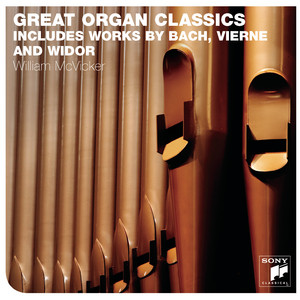 | Toccata and Fugue in D minor | Johann Sebastian Bach, William McVicker | D Minor | 0 | 7A | 72 BPM | |
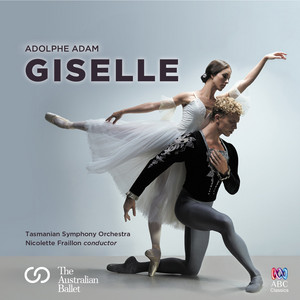 | Giselle, Act 1: No. 3 Giselle’s Entrance, Giselle and Albrecht first meet and are discovered by Hilarion | Adolphe Adam, Tasmanian Symphony Orchestra, Nicolette Fraillon | E♭ Major | 1 | 5B | 88 BPM |
- ISRC
- This song does not have an ISRC.
- Label
- L-M Records/RCA Records