- BPM
- 97
- Key
- B♭ Major
- Camelot
- 6B
Variations on a Theme by Haydn, Op. 56a: Variation I: Poco più animato by Johannes Brahms, London Symphony Orchestra, Eugen Jochum Song Details
Johannes Brahms, London Symphony Orchestra, Eugen Jochum's 'Variations on a Theme by Haydn, Op. 56a: Variation I: Poco più animato' had a release date set for January 1, 1975. With This song being less than two minutes long, at 1:11, we are fairly confident that this song is not explicit and is safe for all ages. Based on the duration of this song, this song duration is much smaller than the average song duration. The song is number 17 out of 25 in Elgar: Variations On An Original Theme, Op. 36 "Enigma" / Brahms: Variations On A Theme By Haydn, Op.56a by London Symphony Orchestra, Eugen Jochum. Going off of the ISRC code of this track, we detected that the origin of this track is from Germany. In terms of popularity, Variations on a Theme by Haydn, Op. 56a: Variation I: Poco più animato is currently not that popular. In our opinion, the overall tone is not very danceable and projects negative sounds, such as being sad, depressed, or angry.
BPM and Tempo
The tempo marking of Variations on a Theme by Haydn, Op. 56a: Variation I: Poco più animato by Johannes Brahms, London Symphony Orchestra, Eugen Jochum is Andante (at a walking pace), since this song has a tempo of 97 BPM. With that information, we can conclude that the song has a slow tempo. The time signature for this track is 4/4.
Music Key
This song is in the music key of B♭ Major. This also means that this song has a camelot key of 6B. So, the perfect camelot match for 6B would be either 6B or 7A. While, 7B can give you a low energy boost. For moderate energy boost, you would use 3B and a high energy boost can either be 8B or 1B. Though, if you want a low energy drop, you should looking for songs with either a camelot key of 6A or 5B will give you a low energy drop, 9B would be a moderate one, and 4B or 11B would be a high energy drop. Lastly, 3A allows you to change the mood.
Want to find the BPM and music key for other songs? Check out our BPM and Key Finder page!
- Popularity
- 4%
- Loudness
- -21.865 dB
- Acousticness
- 96%
- Danceability
- 27%
- Energy
- 15%
- Instrumentalness
- 80%
- Liveness
- 13%
- Loudness
- 64%
- Speechiness
- 4%
- Valence
- 33%
Recommendations
| Track | Artist | Key | Energy | Camelot | BPM | ||
|---|---|---|---|---|---|---|---|
 | Romeo and Juliette, Op. 64 (Arr. for Viola and Piano by Vadim Borisovsky, Orchestration for Viola and String Orchestra by François Vallières): Introduction | Sergei Prokofiev, Elvira Misbakhova, I Musici de Montréal, Jean-François Rivest | D Major | 1 | 10B | 99 BPM | |
 | Jeux d'enfants, Op. 22: No. 3, La poupée | Georges Bizet, Katia Labèque, Marielle Labèque | B Major | 0 | 1B | 64 BPM | |
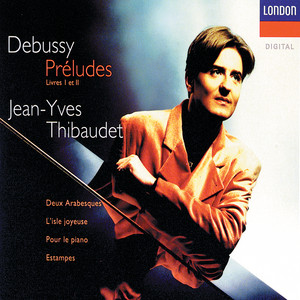 | Rêverie, L. 68: Rêverie | Claude Debussy, Jean-Yves Thibaudet | G Minor | 0 | 6A | 69 BPM | |
 | Adagio in F, H.XVII No. 9 | Joseph Haydn, Alfred Brendel | F Major | 0 | 7B | 71 BPM | |
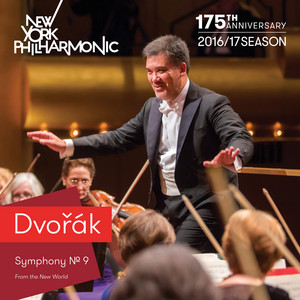 | Symphony No. 9 in E Minor, Op. 95 "From the New World": II. Largo | Antonín Dvořák, New York Philharmonic, Alan Gilbert | D♭ Major | 0 | 3B | 87 BPM | |
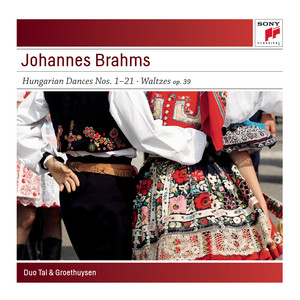 | 21 Hungarian Dances, WoO 1: No. 1 in G Minor. Allegro molto | Johannes Brahms, Tal & Groethuysen | G Minor | 1 | 6A | 70 BPM | |
 | Allegro molto agitato in D Minor | Fanny Mendelssohn, Heather Schmidt | D Major | 1 | 10B | 111 BPM | |
 | Fauré: Pavane, Op. 50 (Instrumental Version) | Gabriel Fauré, Sir Neville Marriner, Academy of St. Martin in the Fields | F♯ Minor | 1 | 11A | 70 BPM | |
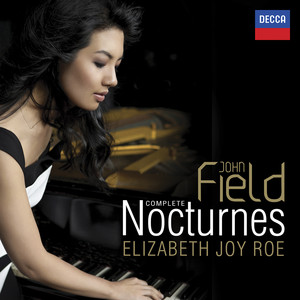 | Nocturne No. 1 in E-Flat Major, H. 24 | John Field, Elizabeth Joy Roe | E♭ Major | 0 | 5B | 75 BPM | |
 | I. Prélude. Andantino | César Franck, Jean-Pierre Armengaud | D Major | 0 | 10B | 66 BPM | |
 | Peer Gynt, Op. 23, Act IV: No. 13, Prelude. Morning Mood | Edvard Grieg, San Francisco Symphony, Herbert Blomstedt | E Major | 0 | 12B | 66 BPM | |
 | 4 Impromptus, D. 899 (Op. 90): No. 4 in A-Flat Major. Allegretto | Franz Schubert, Radu Lupu | A♭ Major | 0 | 4B | 125 BPM | |
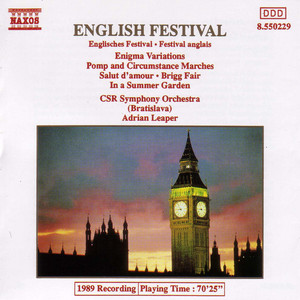 | Salut d'amour, Op. 12 (version for orchestra) | Edward Elgar, Slovak Radio Symphony Orchestra, Adrian Leaper | B♭ Major | 1 | 6B | 82 BPM | |
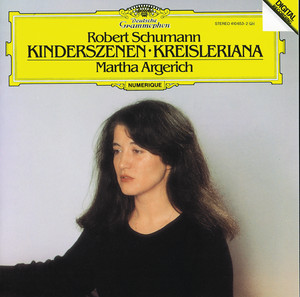 | Kinderszenen, Op. 15: XII. Kind im Einschlummern | Robert Schumann, Martha Argerich | E Minor | 0 | 9A | 123 BPM | |
 | In the Steppes of Central Asia | Alexander Borodin, Royal Philharmonic Orchestra, Vladimir Ashkenazy | A Major | 0 | 11B | 69 BPM | |
 | La lisonjera, Op. 50 | Cécile Chaminade, Péter Nagy | D♭ Major | 1 | 3B | 132 BPM | |
 | 21 Hungarian Dances, WoO 1 (arr. J. Joachim for violin and piano): No. 8 in A Minor | Joseph Joachim, Johannes Brahms, Marat Bisengaliev, John Lenehan | A Minor | 2 | 8A | 94 BPM | |
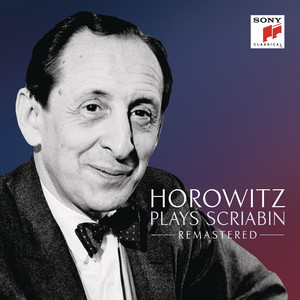 | Etude in D-Sharp Minor, Op. 8, No. 12: Patetico - Remastered | Alexander Scriabin, Vladimir Horowitz | D♭ Minor | 3 | 12A | 72 BPM | |
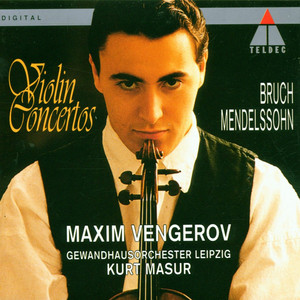 | Bruch : Violin Concerto No.1 in G minor Op.26 : III Finale - Allegro energico | Max Bruch, Maxim Vengerov, Kurt Masur, Gewandhausorchester Leipzig | G Major | 2 | 9B | 90 BPM | |
 | 6 Album Leaves, Op. 2, JB 1:51: No. 3 in G Major, Vivace | Bedřich Smetana, Jitka Čechová | G Major | 2 | 9B | 144 BPM | |
 | 3 Violin Duets (1996 Digital Remaster): I. Praeludium | Pinchas Zukerman, Itzhak Perlman | B Minor | 1 | 10A | 91 BPM | |
 | Albumblatt in A Minor | Johannes Brahms, Sophie-Mayuko Vetter | D Minor | 0 | 7A | 165 BPM | |
 | Albumblatter, Op. 124: Schlummerlied | Dénes Várjon, Robert Schumann | D Major | 0 | 10B | 123 BPM | |
 | Morgen, Op. 27 No. 4 (Arr. Reger for Piano) | Richard Strauss, Angela Hewitt | A Major | 2 | 11B | 143 BPM | |
 | Rachmaninov: 10 Preludes, Op. 23: No. 5 in G Minor | Sergei Rachmaninoff, Nikolai Lugansky | G Minor | 1 | 6A | 113 BPM |
- ISRC
- DEF057501942
- Label
- L-M Records/RCA Records