- BPM
- 69
- Key
- D♭ Minor
- Camelot
- 12A
啄木短歌集, 病のごと by 高田三郎, 石川啄木, 柳兼子, 小林道夫 Song Details
"啄木短歌集, 病のごと" by 高田三郎, 石川啄木, 柳兼子, 小林道夫 had its release date on 1975. With This song being less than two minutes long, at 1:16, we are fairly confident that this song is not explicit and is safe for all ages. Based on the duration of this song, this song duration is much smaller than the average song duration. There is only one song in 現代日本歌曲選集, so we believe that "啄木短歌集, 病のごと" is a single. 啄木短歌集, 病のごと is unknown right now. In our opinion, the overall tone is not very danceable and projects negative sounds, such as being sad, depressed, or angry.
BPM and Tempo
The tempo marking of 啄木短歌集, 病のごと by 高田三郎, 石川啄木, 柳兼子, 小林道夫 is Adagio (slowly with great expression), since this song has a tempo of 69 BPM. With that information, we can conclude that the song has a slow tempo. The time signature for this track is 4/4.
Music Key
D♭ Minor is the music key of this track. This also means that this song has a camelot key of 12A. So, the perfect camelot match for 12A would be either 12A or 11B. While, a low energy boost can consist of either 12B or 1A. For moderate energy boost, you would use 9A and a high energy boost can either be 2A or 7A. However, if you are looking for a low energy drop, finding a song with a camelot key of 11A would be a great choice. Where 3A would give you a moderate drop, and 10A or 5A would be a high energy drop. Lastly, 3B allows you to change the mood.
Want to find the BPM and music key for other songs? Check out our BPM and Key Finder page!
- Popularity
- 0%
- Loudness
- -26.559 dB
- Acousticness
- 99%
- Danceability
- 30%
- Energy
- 4%
- Instrumentalness
- 0%
- Liveness
- 7%
- Loudness
- 56%
- Speechiness
- 7%
- Valence
- 4%
Recommendations
| Track | Artist | Key | Energy | Camelot | BPM | ||
|---|---|---|---|---|---|---|---|
 | Max Bruch Romanze Op.85 | Christian Yoo | F Major | 1 | 7B | 140 BPM | |
 | 混声合唱とオーケストラのための水のいのち: 1. 雨 | 高田三郎, Traditional, 今井 邦男, Norichika Iimori, 東京混声合唱, Tokyo Symphony Orchestra | F Minor | 1 | 4A | 122 BPM | |
 | Enigma Variations Op.36: Variation IX. Adagio 'Nimrod' | Edward Elgar, Maxwell Philharmonic Orchestra | B Minor | 4 | 10A | 160 BPM | |
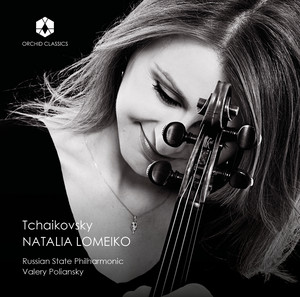 | Souvenir d'un lieu cher, Op. 42, TH 116 (Arr. for Violin & Orchestra by Alexander Glazunov): No. 3, Mélodie | Pyotr Ilyich Tchaikovsky, Natalia Lomeiko, The Russian State Philharmonic, Valery Polyansky | E Minor | 0 | 9A | 82 BPM | |
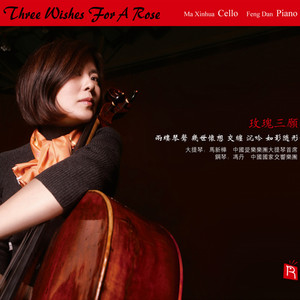 | 茉莉花 - 大提琴曲 | 马新桦, 冯丹 | A Minor | 1 | 8A | 95 BPM | |
| 天鹅 - 大提琴曲 | 马新桦, 冯丹 | G Major | 0 | 9B | 90 BPM | |
 | はやぶさ 遥かなる帰還 メイン・テーマ - ピアノ・ソロ版 2012年8月30日 軽井沢大賀ホール | Nobuyuki Tsujii | E Minor | 1 | 9A | 75 BPM | |
 | 黄昏のワルツ | Takashi Kako | E♭ Major | 2 | 5B | 127 BPM | |
 | 幻想交響曲 作品14: 第2楽章: 舞踏会 - 2014年 キッセイ文化ホール(ライヴ) | Hector Berlioz, Saito Kinen Orchestra, Seiji Ozawa | A Major | 1 | 11B | 82 BPM | |
 | Joshua, HWV 64, Pt. 3: No. 63, Oh, had I Jubal's lyre | George Frideric Handel, Kathleen Battle, James Levine | A Major | 1 | 11B | 120 BPM | |
 | Cavatina da capo: Se d'un Dio fui fatta Madre | Giovanni Battista Ferrandini, Il Giardino Armonico, Giovanni Antonini, Bernarda Fink | B Minor | 1 | 10A | 69 BPM | |
 | シベリウス: 悲しきワルツ | Jean Sibelius, 渡邉曉雄, Japan Philharmonic Orchestra | G Major | 0 | 9B | 76 BPM | |
 | なつかし人たち~NHK「日本映像の20世紀」 | Yoshihiro Kondo | B Minor | 0 | 10A | 77 BPM | |
 | Deux chansons: No. 2, Chanson de l'adieu | Dilyana Georgieva, Galina Apostolova | E Major | 1 | 12B | 79 BPM | |
 | 1. Clair de lune (L 32) | Claude Debussy, Simona Saturova, Marek Kozák | E♭ Major | 2 | 5B | 67 BPM | |
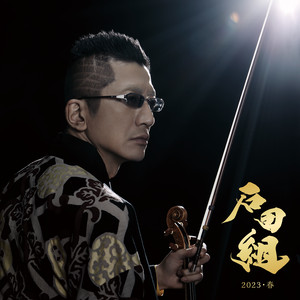 | Nuovo Cinema Paradiso - Live at Muza Kawasaki Symphony Hall / Aug. 19, 2022 | Ennio Morricone, アンドレア・モリコーネ, 石田組 | B♭ Major | 2 | 6B | 68 BPM | |
 | Myrthen, Op. 25: No. 24, Du bist wie eine Blume | Robert Schumann, Margaret Price, James Lockhart | C Major | 0 | 8B | 109 BPM | |
 | Cuatro canciones antiguas sobre textos sefardíes: IV. Juego de niños | Borja Mariño, Mar Morán, Aurelio Viribay | C Major | 3 | 8B | 79 BPM | |
 | Emily — No Prisoner Be: No. 16, There is a solitude of space | Kevin Puts, Time For Three, Joyce DiDonato | E♭ Major | 2 | 5B | 67 BPM | |
 | カルメン 第 1組曲, 3. 間奏曲 | Georges Bizet, Gerd Albrecht, Yomiuri Nippon Symphony Orchestra | F Major | 4 | 7B | 131 BPM | |
 | Handel: Giulio Cesare in Egitto, HWV 17, Act 1: Duetto. "Son nata a lagrimar" (Cornelia, Sesto) | John Nelson, Emmanuelle Haïm, Stephanie Blythe, David Daniels, Orchestre de chambre de Paris, Martin Isepp | E Minor | 1 | 9A | 82 BPM | |
 | ロマンス | G. ゴルターマン, ラ・クァルティーナ, 藤森亮一(チェロ), 藤村俊介(チェロ), 銅銀久弥(チェロ), 桑田歩(チェロ) | B♭ Minor | 1 | 3A | 79 BPM | |
 | Hai luli | Pauline Viardot, Cecilia Bartoli, Myung-Whun Chung | G Minor | 1 | 6A | 100 BPM | |
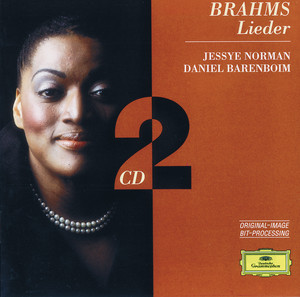 | Wie Melodien zieht es mir, Op. 105, No. 1 | Johannes Brahms, Jessye Norman, Daniel Barenboim | A♭ Major | 0 | 4B | 102 BPM | |
| 2つの小品 Religioso | G. ゴルターマン, ラ・クァルティーナ, 藤森亮一(チェロ), 藤村俊介(チェロ), 銅銀久弥(チェロ), 桑田歩(チェロ) | B♭ Minor | 1 | 3A | 79 BPM |
- ISRC
- JPG200100593
- Label
- L-M Records/RCA Records