- BPM
- 85
- Key
- G Major
- Camelot
- 9B
Strings in the Earth and Air (Version for Soprano, Recorder, Oboe, Violin & Cello) by Peter Dickinson, Lesley-Jane Rogers, John Turner, Richard Simpson, Benedict Holland, Nicholas Trygstad Song Details
"Strings in the Earth and Air (Version for Soprano, Recorder, Oboe, Violin & Cello)" by Peter Dickinson, Lesley-Jane Rogers, John Turner, Richard Simpson, Benedict Holland, Nicholas Trygstad had its release date on September 11, 2020. With This song being less than two minutes long, at 1:39, we are fairly confident that this song is not explicit and is safe for all ages. Based on the duration of this song, this song duration is much smaller than the average song duration. There are a total of 22 in the song's album "Songs for Sir John". In this album, this song's track order is #12. Furthermore, we believe that the track originated from United Kingdom. Strings in the Earth and Air (Version for Soprano, Recorder, Oboe, Violin & Cello) is unknown right now. In our opinion, the overall tone is not very danceable and projects negative sounds, such as being sad, depressed, or angry.
BPM and Tempo
With Strings in the Earth and Air (Version for Soprano, Recorder, Oboe, Violin & Cello) by Peter Dickinson, Lesley-Jane Rogers, John Turner, Richard Simpson, Benedict Holland, Nicholas Trygstad having a BPM of 85 with a half-time of 42 BPM and a double-time of 170 BPM, we would consider this track to have a Andante (at a walking pace) tempo marking. Because of this, we believe that the song has an overall slow tempo. Looking at the BPM of this song, this song might go great with yoga or pilates. The time signature for this track is 4/4.
Music Key
This song has a musical key of G Major. Or for those who are familiar with the camelot wheel, this song has a camelot key of 9B. So, the perfect camelot match for 9B would be either 9B or 10A. While, 10B can give you a low energy boost. For moderate energy boost, you would use 6B and a high energy boost can either be 11B or 4B. Though, if you want a low energy drop, you should looking for songs with either a camelot key of 9A or 8B will give you a low energy drop, 12B would be a moderate one, and 7B or 2B would be a high energy drop. Lastly, 6A allows you to change the mood.
Want to find the BPM and music key for other songs? Check out our BPM and Key Finder page!
- Popularity
- 0%
- Loudness
- -22.895 dB
- Acousticness
- 97%
- Danceability
- 23%
- Energy
- 4%
- Instrumentalness
- 0%
- Liveness
- 6%
- Loudness
- 62%
- Speechiness
- 5%
- Valence
- 4%
Recommendations
| Track | Artist | Key | Energy | Camelot | BPM | ||
|---|---|---|---|---|---|---|---|
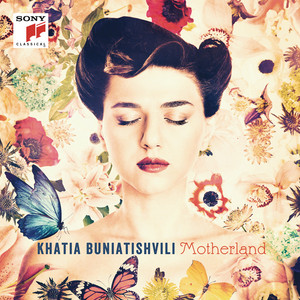 | Slavonic Dance for Four Hands in E Minor, Op. 72/2: Dumka (Allegretto grazioso) | Antonín Dvořák, Khatia Buniatishvili | C Major | 0 | 8B | 77 BPM | |
 | Violin Sonata: I. Fast | Peter Dickinson, Peter Sheppard Skærved, Roderick Chadwick | F Major | 1 | 7B | 97 BPM | |
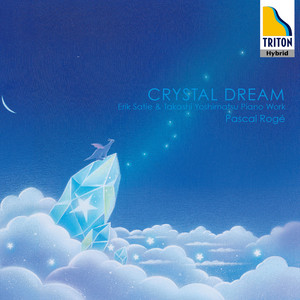 | Barcalore on Autumn | Takashi Yoshimatsu, Pascal Rogé | E♭ Major | 0 | 5B | 68 BPM | |
 | Crisantemi | Brodsky Quartet | F♯ Minor | 0 | 11A | 75 BPM | |
 | Piano Concerto | Peter Dickinson, BBC Symphony Orchestra, Howard Shelley, David Atherton | A Minor | 0 | 8A | 173 BPM | |
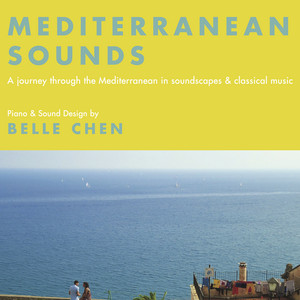 | Jeunes Filles Au Jardin | Federico Mompou, Belle Chen | E♭ Major | 0 | 5B | 69 BPM | |
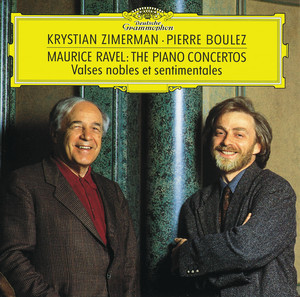 | Piano Concerto in G Major, M. 83: II. Adagio assai | Maurice Ravel, Krystian Zimerman, Cleveland Orchestra, Pierre Boulez | E Major | 0 | 12B | 74 BPM | |
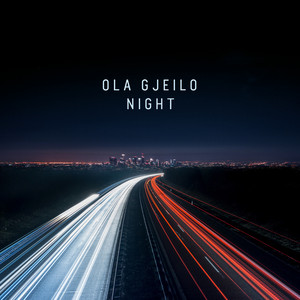 | Still | Ola Gjeilo | C Major | 0 | 8B | 71 BPM | |
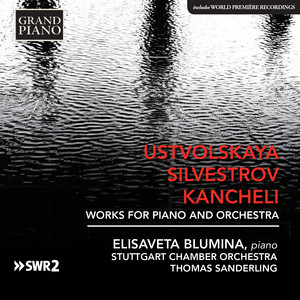 | 4 Postludes for Piano & String Orchestra: No. 1, Larghetto - Andante | Valentin Silvestrov, Elisaveta Blumina, Stuttgart Chamber Orchestra, Thomas Sanderling | C Major | 0 | 8B | 81 BPM | |
 | Gnossiennes: V. Modéré | Erik Satie, Axel Gillison | E Major | 0 | 12B | 73 BPM | |
 | Ständchen, D. 889 | Franz Schubert, Tanguy de Williencourt, Bruno Philippe | D Major | 0 | 10B | 76 BPM | |
 | The Seasons, Op. 37b: VI. June, "Barcarolle" | Pyotr Ilyich Tchaikovsky, Yefim Bronfman | G Minor | 0 | 6A | 87 BPM | |
 | 3 Compositions, Op. 40: No. 2, Berceuse | Amy Beach, Rachel Barton Pine, Matthew Hagle | D Major | 0 | 10B | 86 BPM | |
 | The Seasons, Op. 37a: VI. June: Barcarolle | Pyotr Ilyich Tchaikovsky, Axel Gillison | E Minor | 0 | 9A | 60 BPM | |
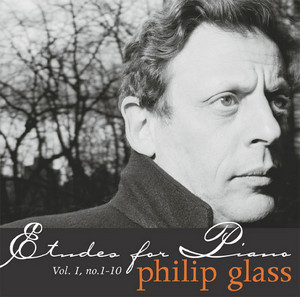 | Etude No. 2 | Philip Glass | F Major | 2 | 7B | 101 BPM | |
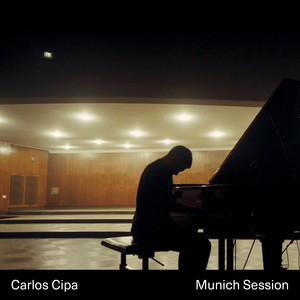 | Today and it’s gone (Munich Session) | Carlos Cipa | D Major | 6 | 10B | 187 BPM | |
 | Miniatures for Piano "A Whole in Twelve": No. 2, The Lady Plays | Mikael Ayrapetyan | D♭ Major | 0 | 3B | 76 BPM | |
 | Má vlast: Vltava (The Moldau). Allegro commodo, non agitato | Bedřich Smetana, Duo Crommelynck | E Minor | 1 | 9A | 110 BPM | |
 | 24 Préludes, Op. 28: Prelude No. 4 in E Minor | Katia Labèque | E Minor | 0 | 9A | 73 BPM | |
 | Lieder ohne Worte (Songs without Words), Book 2, Op. 30: No. 7 in E-Flat Major, Op. 30, No. 1, MWV U103 | Felix Mendelssohn, Péter Nagy | E♭ Major | 0 | 5B | 65 BPM | |
 | 33 Miniatures for Piano (Excerpts): No. 22, Grazioso | Giya Kancheli, Elisaveta Blumina | F Major | 0 | 7B | 101 BPM | |
 | Nocturne in B Flat Major, H. 37 (Version for Harp) | John Field, Magdalena Hoffmann | B♭ Major | 1 | 6B | 97 BPM | |
 | Le Carnaval des Animaux, R. 125: 13. The Swan (Arr. Hodge for Cello, Harp & Ensemble) | Camille Saint-Saëns, Sheku Kanneh-Mason, Katherine Thomas, CBSO Cellos | G Major | 1 | 9B | 69 BPM | |
 | Polka for Piano | Lord Berners, Peter Dickinson, Ernest Irving, Philharmonia Orchestra | D Minor | 1 | 7A | 124 BPM | |
 | Schumann: 12 Gedichte aus Liebesfrühling, Op. 37: No. 11: Warum willst du andre fragen | Clara Schumann, Anneleen Lenaerts, Dionysis Grammenos | A♭ Major | 0 | 4B | 71 BPM |
- ISRC
- GBBDZ2031461
- Label
- L-M Records/RCA Records