- BPM
- 86
- Key
- B♭ Major
- Camelot
- 6B
Passacaglia on an Old English Tune by Rebecca Clarke, Raphael Wallfisch, John York Song Details
"Passacaglia on an Old English Tune" by Rebecca Clarke, Raphael Wallfisch, John York had its release date on August 12, 2016. With this song being about 5 minutes long, at This song is fairly a long song compared to the average song length. This song does not have an "Explicit" tag, making it safe for all ages. There are a total of 12 in the song's album "Rebecca Clarke: Music for Cello & Piano". In this album, this song's track order is #10. Furthermore, we believe that the track originated from United Kingdom. Passacaglia on an Old English Tune is unknown right now. Although the tone can be danceable to some, this track does projects more of a negative sound rather than a postive one.
BPM and Tempo
With Passacaglia on an Old English Tune by Rebecca Clarke, Raphael Wallfisch, John York having a BPM of 86 with a half-time of 43 BPM and a double-time of 172 BPM, we would consider this track to have a Andante (at a walking pace) tempo marking. Because of this, we believe that the song has an overall slow tempo. Looking at the BPM of this song, this song might go great with yoga or pilates. The time signature for this track is 4/4.
Music Key
This song has a musical key of B♭ Major. Or for those who are familiar with the camelot wheel, this song has a camelot key of 6B. So, the perfect camelot match for 6B would be either 6B or 7A. While, 7B can give you a low energy boost. For moderate energy boost, you would use 3B and a high energy boost can either be 8B or 1B. Though, if you want a low energy drop, you should looking for songs with either a camelot key of 6A or 5B will give you a low energy drop, 9B would be a moderate one, and 4B or 11B would be a high energy drop. Lastly, 3A allows you to change the mood.
Want to find the BPM and music key for other songs? Check out our BPM and Key Finder page!
- Popularity
- 0%
- Loudness
- -27.777 dB
- Acousticness
- 99%
- Danceability
- 43%
- Energy
- 8%
- Instrumentalness
- 82%
- Liveness
- 7%
- Loudness
- 54%
- Speechiness
- 5%
- Valence
- 4%
Recommendations
| Track | Artist | Key | Energy | Camelot | BPM | ||
|---|---|---|---|---|---|---|---|
 | 4 Morceaux, Op. 56: No. 2, Romance | Anton Arensky, Dmitrii Khrychev, Olga Solovieva | G Major | 0 | 9B | 99 BPM | |
 | 3 Pieces for cello and piano: No. 3. Vite et nerveusement rythme | Nadia Boulanger, Nicolas Altstaedt, José Gallardo | D♭ Major | 1 | 3B | 151 BPM | |
 | Piano Quintet in F-Sharp Minor, Op. 67: II. Adagio espressivo | Amy Beach, Takács Quartet, Garrick Ohlsson | D♭ Major | 0 | 3B | 79 BPM | |
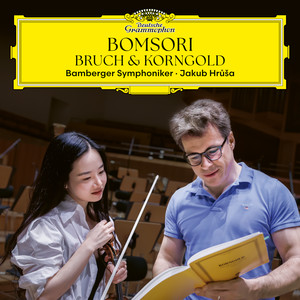 | Violin Concerto in D Major, Op. 35: II. Romance. Andante | Erich Wolfgang Korngold, Bomsori, Bamberger Symphoniker, Jakub Hrůša | G Major | 1 | 9B | 95 BPM | |
 | 8 Pieces, Op. 83: V. Rumänische Melodie (Andante) | Max Bruch, Philon Trio | F♯ Minor | 0 | 11A | 78 BPM | |
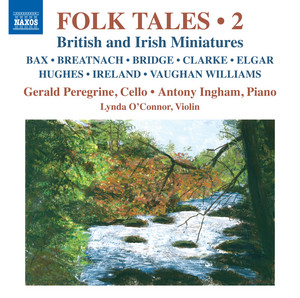 | Salut d'amour, Op. 12 (Arr. for Cello & Piano by Anonymous) | Edward Elgar, Gerald Peregrine, Antony Ingham | E♭ Major | 0 | 5B | 130 BPM | |
 | 5 Petits duos, Op. 56: No. 2, Berceuse | César Cui, Lev Polyakin, Martha Aarons, Frances Renzi | D Major | 0 | 10B | 86 BPM | |
 | Concerto for String Orchestra: I. Allegro | Grażyna Bacewicz, Capella Bydgostiensis, Mariusz Smolij | C Major | 2 | 8B | 125 BPM | |
 | Serenade for String Orchestra in C Minor, Op. posth.: VI. Andante sostenuto | Max Bruch, George Hanson, Sinfonieorchester Wuppertal | E♭ Major | 0 | 5B | 87 BPM | |
 | Piano Trio No. 2 in C Major, Op. 87: III. Scherzo. Presto | Johannes Brahms, Maria João Pires, Augustin Dumay, Jian Wang | G Major | 1 | 9B | 163 BPM | |
 | Montage: II. Larghetto espressivo | James Lentini, Harvey Thurmer, Pansy Chang, Siok Lian Tan | D♭ Minor | 2 | 12A | 113 BPM | |
 | Suite No. 3, Op. 19 No. 1: II. Pantomim: Moderato | Kurt Atterberg, Henning Kraggerud, Dalasinfoniettan, Bjarte Engeset | E Minor | 1 | 9A | 76 BPM | |
 | Sapphische Ode | Johannes Brahms, Jungin Huh | D Major | 1 | 10B | 74 BPM | |
 | Cello Concerto in B Minor, Op. 104: III. Allegro moderato. Original Ending | Antonín Dvořák, Steven Isserlis, Daniel Harding, Mahler Chamber Orchestra | B Major | 0 | 1B | 77 BPM | |
 | Violin Sonata No. 2 in G Major, Op. 13: II. Allegretto tranquillo | Edvard Grieg, Frederic Chiu, Pierre Amoyal | D Minor | 2 | 7A | 148 BPM | |
 | Romanian Folk Dances for Piano, Sz. 56 (Arr. Székely for Violin & Piano): No. 1, Joc cu bâta "Stick Dance" | Béla Bartók, Sophia Jaffé, Hansjacob Staemmler | C Major | 1 | 8B | 102 BPM | |
 | Sicilienne in E-Flat Major (Arr. T. Miteva for Cello & Chamber Orchestra) | Maria Theresia von Paradis, Teodora Miteva, World Chamber Orchestra | F Minor | 0 | 4A | 122 BPM | |
 | Piano Trio in E Major, Hob. XV:34: II. Menuet - Trio | Joseph Haydn, Stefan Tarara, Eun-Sun Hong, Josu De Solaun | E Major | 0 | 12B | 134 BPM | |
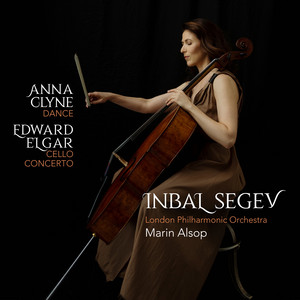 | DANCE: II. if you’ve torn the bandage off | Anna Clyne, Inbal Segev, London Philharmonic Orchestra, Marin Alsop | G Major | 2 | 9B | 99 BPM | |
 | Sonata in G Minor for Cello and Piano, Op. 19: IV. Allegro mosso | Sergei Rachmaninoff, Pablo Ferrandez, Denis Kozhukhin | G Major | 1 | 9B | 79 BPM | |
 | Trois petites pièces: Chanson | Augusta Holmès, Juliette Hurel, Hélène Couvert | D Major | 0 | 10B | 70 BPM | |
 | Franck: Violin Sonata in A Major, FWV 8: III. Recitativo-Fantasia. Ben moderato | César Franck, Renaud Capuçon, Khatia Buniatishvili | D Major | 0 | 10B | 74 BPM | |
 | The Aspidistra | Rebecca Clarke, Patricia Wright, Jonathan Rees, Kathron Sturrock | C Major | 0 | 8B | 113 BPM | |
 | Prelude in F Minor (Arr. for Wind Quintet by Kara LaMoure) | Nadia Boulanger, WindSync | F Major | 0 | 7B | 102 BPM | |
 | Poem for String Quartet | Rebecca Clarke, Barbican Quartet | F Major | 0 | 7B | 102 BPM |
- ISRC
- GBAET1600109
- Label
- L-M Records/RCA Records