- BPM
- 93
- Key
- C Major
- Camelot
- 8B
String Quartet in F Major (Prev. Attrib. Haydn as Op. 3 No. 5): II. Andante cantabile "Serenade" by Roman Hoffstetter, Orpheus Chamber Orchestra Song Details
Roman Hoffstetter, Orpheus Chamber Orchestra's ' "String Quartet in F Major (Prev. Attrib. Haydn as Op. 3 No. 5): II. Andante cantabile "Serenade"" was released on its scheduled release date, January 1, 1993. The duration of This song is about 3 minutes long, at 3:16. Based on our data, This song appears to be safe for all ages and is not considered explicit. This track is about the average length of a typical track. The song is number 1 out of 13 in Classical Hits by Orpheus Chamber Orchestra. Going off of the ISRC code of this track, we detected that the origin of this track is from Germany. In terms of popularity, String Quartet in F Major (Prev. Attrib. Haydn as Op. 3 No. 5): II. Andante cantabile "Serenade" is currently not that popular. Based on the vibe, this track doesn't seem to be that danceable, however its valence properties can make this some somewhat danceable.
BPM and Tempo
The tempo marking of String Quartet in F Major (Prev. Attrib. Haydn as Op. 3 No. 5): II. Andante cantabile "Serenade" by Roman Hoffstetter, Orpheus Chamber Orchestra is Andante (at a walking pace), since this song has a tempo of 93 BPM. With that information, we can conclude that the song has a slow tempo. This song can go great with yoga or pilates. The time signature for this track is 4/4.
Music Key
This song has a musical key of C Major. This also means that this song has a camelot key of 8B. So, the perfect camelot match for 8B would be either 8B or 9A. While, 9B can give you a low energy boost. For moderate energy boost, you would use 5B and a high energy boost can either be 10B or 3B. Though, if you want a low energy drop, you should looking for songs with either a camelot key of 8A or 7B will give you a low energy drop, 11B would be a moderate one, and 6B or 1B would be a high energy drop. Lastly, 5A allows you to change the mood.
Want to find the BPM and music key for other songs? Check out our BPM and Key Finder page!
- Popularity
- 19%
- Loudness
- -34.9 dB
- Acousticness
- 84%
- Danceability
- 36%
- Energy
- 1%
- Instrumentalness
- 0%
- Liveness
- 16%
- Loudness
- 42%
- Speechiness
- 5%
- Valence
- 40%
Recommendations
| Track | Artist | Key | Energy | Camelot | BPM | ||
|---|---|---|---|---|---|---|---|
 | Serenade for Strings in E Minor, Op. 20: II. Larghetto | Edward Elgar, Orpheus Chamber Orchestra | A Minor | 1 | 8A | 109 BPM | |
 | 21 Hungarian Dances, WoO 1: No. 1, Allegro molto | Johannes Brahms, Magyar Szimfonikus Zenekarok, Istvan Bogar | G Minor | 2 | 6A | 134 BPM | |
 | L'Arlésienne Suite No. 2 (Arr. Guiraud): III. Menuet | Georges Bizet, Orchestre Symphonique de Montréal, Charles Dutoit | E♭ Major | 0 | 5B | 128 BPM | |
 | Bagatelles, Op. 47, B. 79: No. 3 in G Minor, Allegretto scherzando | Antonín Dvořák, Josef Suk, Miroslav Ambroš, Jiří Bárta, Jan Simon | E♭ Major | 4 | 5B | 91 BPM | |
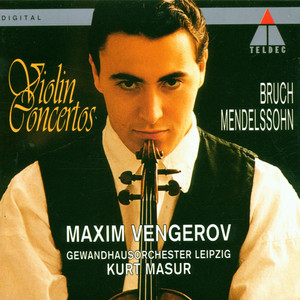 | Mendelssohn: Violin Concerto in E Minor, Op. 64, MWV O14: II. Andante | Felix Mendelssohn, Maxim Vengerov, Kurt Masur, Gewandhausorchester | C Major | 1 | 8B | 96 BPM | |
 | Orpheo ed Euridice, Wq. 30, Act II: Dance of the Blessed Spirits | Christoph Willibald Gluck, Eugene Ormandy, Philadelphia Orchestra | D Minor | 1 | 7A | 67 BPM | |
 | Sonate N°8 "Pathétique" in C minor, Op. 13: III. Adagio Cantabile | Yuli Lavrénov | A♭ Major | 0 | 4B | 63 BPM | |
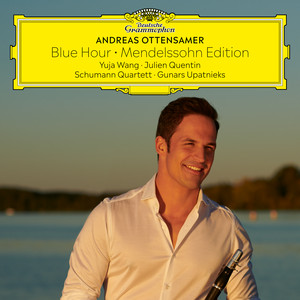 | Lieder ohne Worte, Op. 62: No. 6 Allegretto grazioso "Frühlingslied" (Arr. Ottensamer for Clarinet and Strings) | Felix Mendelssohn, Andreas Ottensamer, Schumann Quartett, Gunars Upatnieks | A Major | 1 | 11B | 99 BPM | |
 | Suite for Cello and Orchestra, Op. 16: IV. Romance (molto adagio) | Camille Saint-Saëns, Mischa Maisky, Orpheus Chamber Orchestra | E Major | 0 | 12B | 78 BPM | |
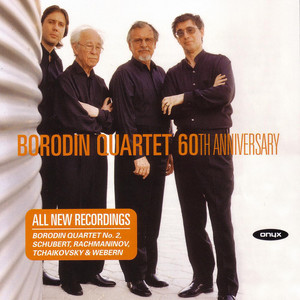 | Borodin - String Quartet No.2 in D major: Notturno: Andante | Alexander Borodin, Borodin Quartet | A Major | 2 | 11B | 74 BPM | |
 | Bizet: Carmen Suite No. 1: III. Intermezzo | Georges Bizet, Emmanuel Pahud, Yannick Nézet-Séguin, Rotterdam Philharmonic Orchestra | F Major | 1 | 7B | 83 BPM | |
 | Serenade for String Orchestra in C Minor, Op. posth.: III. Allegro | Max Bruch, George Hanson, Sinfonieorchester Wuppertal | A Minor | 1 | 8A | 88 BPM | |
 | Music for the Royal Fireworks: Suite HWV 351: 4. La réjouissance | George Frideric Handel, Academy of Ancient Music, Christopher Hogwood | D♭ Major | 4 | 3B | 102 BPM | |
 | Norma / Act I: "Casta Diva" (Arr. by Mathieu Herzog for Cello and Orchestra) | Vincenzo Bellini, Camille Thomas, Brussels Philharmonic, Mathieu Herzog | F Major | 1 | 7B | 91 BPM | |
 | The Birds, P. 154: V. The Cuckoo (Il cuccù) | Ottorino Respighi, Orpheus Chamber Orchestra | A Major | 0 | 11B | 118 BPM | |
 | Sonata No. 16 in B Flat Major, II. Adagio | Maria João Pires | E♭ Major | 0 | 5B | 96 BPM | |
 | Symphony No. 45 in F-Sharp Minor, Hob.I:45 "Farewell": - Adagio | Joseph Haydn, Orpheus Chamber Orchestra | A Major | 0 | 11B | 167 BPM | |
 | Oboe Concerto in A Major (arr. J. Barbirolli): I. Preludio | Arcangelo Corelli, Anthony Camden, City of London Sinfonia, Nicholas Ward | F Major | 0 | 7B | 82 BPM | |
 | Violin Concerto in E Minor, Op.64 (1997 Digital Remaster): II. Andante (excerpt) | Yehudi Menuhin, Philharmonia Orchestra, Efrem Kurtz | C Major | 1 | 8B | 102 BPM | |
 | Oboe Concerto in C Major, K. 314: II. Adagio non troppo - Cadenza: Randall Wolfgang | Wolfgang Amadeus Mozart, Randall Wolfgang, Orpheus Chamber Orchestra | F Major | 0 | 7B | 83 BPM | |
 | Piano Sonata in F Major, KV332: II. Adagio | Ingrid Haebler | B♭ Major | 0 | 6B | 73 BPM | |
 | Romantic Pieces, Op.75, for Violin and Piano - Allegro moderato (Dvorák) | James Ehnes | B♭ Major | 1 | 6B | 63 BPM | |
 | Concerto in D minor, S. Z799: 1. Andante e spiccato | Alessandro Marcello, Håkan Hardenberger, I Musici | D Minor | 2 | 7A | 78 BPM | |
 | Orfeo ed Euridice: Dance of the Blessed Spirits | Christoph Willibald Gluck, Slovak State Philharmonic Orchestra, Johannes Wildner | F Major | 0 | 7B | 138 BPM | |
 | Beethoven: Romance for Violin and Orchestra No. 2 in F Major, Op. 50 | Ludwig van Beethoven, Itzhak Perlman, Daniel Barenboim, Berliner Philharmoniker | F Major | 1 | 7B | 100 BPM |
- ISRC
- DEF059203700
- Label
- L-M Records/RCA Records