- BPM
- 96
- Key
- B♭ Major
- Camelot
- 6B
Requiem, Op. 48: IV. Pie Jesu (1893 Version) by Gabriel Fauré, Caroline Ashton, John Scott, City of London Sinfonia, John Rutter Song Details
"Requiem, Op. 48: IV. Pie Jesu (1893 Version)" by Gabriel Fauré, Caroline Ashton, John Scott, City of London Sinfonia, John Rutter had its release date on November 1, 1996. With this song being around four minutes long, at 3:35, the duration of this song is pretty average compared to other songs. This track is safe for children and doesn't appear to contain any foul language, since the "Explicit" tag was not present in this track. There are a total of 15 in the song's album "Stillness And Sweet Harmony". In this album, this song's track order is #2. Furthermore, we believe that the track originated from United Kingdom. In terms of popularity, Requiem, Op. 48: IV. Pie Jesu (1893 Version) is currently unknown. In our opinion, the overall tone is not very danceable and projects negative sounds, such as being sad, depressed, or angry.
BPM and Tempo
With Requiem, Op. 48: IV. Pie Jesu (1893 Version) by Gabriel Fauré, Caroline Ashton, John Scott, City of London Sinfonia, John Rutter having a BPM of 96 with a half-time of 48 BPM and a double-time of 192 BPM, we would consider this track to have a Andante (at a walking pace) tempo marking. Because of this, we believe that the song has an overall slow tempo. The time signature for this track is 4/4.
Music Key
This song is in the music key of B♭ Major. Or for those who are familiar with the camelot wheel, this song has a camelot key of 6B. So, the perfect camelot match for 6B would be either 6B or 7A. While, 7B can give you a low energy boost. For moderate energy boost, you would use 3B and a high energy boost can either be 8B or 1B. Though, if you want a low energy drop, you should looking for songs with either a camelot key of 6A or 5B will give you a low energy drop, 9B would be a moderate one, and 4B or 11B would be a high energy drop. Lastly, 3A allows you to change the mood.
Want to find the BPM and music key for other songs? Check out our BPM and Key Finder page!
- Popularity
- 0%
- Loudness
- -33.34 dB
- Acousticness
- 97%
- Danceability
- 16%
- Energy
- 1%
- Instrumentalness
- 98%
- Liveness
- 8%
- Loudness
- 44%
- Speechiness
- 4%
- Valence
- 4%
Recommendations
| Track | Artist | Key | Energy | Camelot | BPM | ||
|---|---|---|---|---|---|---|---|
 | Lieder ohne Worte I, Op. 19b: VI. Andante sostenuto "Venetian Gondola Song", MWV U78 | Felix Mendelssohn, Daniel Barenboim | G Minor | 0 | 6A | 82 BPM | |
 | Adagio from Violin Sonata in G Minor, Op. 5 No. 5 (Arr. Leopold Stokowski) | Arcangelo Corelli, Matthias Bamert, BBC Philharmonic | G Minor | 0 | 6A | 175 BPM | |
 | Saint-Saëns: Le carnaval des animaux, R 125: XIII. Le cygne | Camille Saint-Saëns, Güher Pekinel, Éric Levionnais, Süher Pekinel | E♭ Major | 1 | 5B | 82 BPM | |
 | Forgotten Melodies I, Op. 38: No. 6; Canzona Serenata | Nikolai Medtner, Dmitry Shishkin | B Major | 0 | 1B | 69 BPM | |
 | Gluck / Arr Siloti: Orphée et Eurydice, Wq. 41, Act I: Dance of the Blessed Spirits | Christoph Willibald Gluck, Alexandre Tharaud | B♭ Minor | 0 | 3A | 77 BPM | |
 | Satie / Arr. Barker & Balsom: 3 Gymnopédies: No. 3, Lent et grave | Erik Satie, Alison Balsom, Guy Barker, Guy Barker Orchestra | A Minor | 2 | 8A | 78 BPM | |
 | Gavotte (Paride ed Elena) | Christoph Willibald Gluck, Johannes Brahms, Matti Raekallio | A Major | 0 | 11B | 98 BPM | |
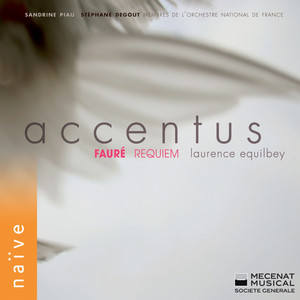 | Requiem, Op. 48: VII. Libera me | Gabriel Fauré, Laurence Equilbey, Accentus, Orchestre National De France, Stéphane Degout | D Minor | 1 | 7A | 74 BPM | |
 | Ave María (Arr. Víkingur Ólafsson) - Upright Piano | Víkingur Ólafsson | D Minor | 0 | 7A | 77 BPM | |
 | 7 Preludes, Op. 17: No. 3 in D-Flat Major | Alexander Scriabin, Maria Lettberg | B Major | 0 | 1B | 72 BPM | |
 | Brook Green Suite: II. Air | Gustav Holst, English Sinfonia, Howard Griffiths | E♭ Major | 0 | 5B | 128 BPM | |
 | Scottish Fantasy for Violin and Orchestra, Op. 46: I. Introduction: Grave, Adagio cantabile | Max Bruch, Joshua Bell, Academy of St. Martin in the Fields | E♭ Major | 2 | 5B | 60 BPM | |
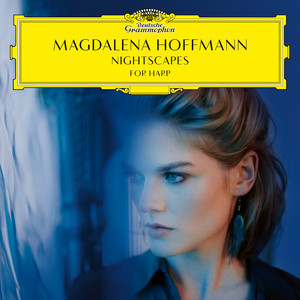 | Nocturne in B Flat Major, H. 37 (Version for Harp) | John Field, Magdalena Hoffmann | B♭ Major | 1 | 6B | 97 BPM | |
 | Myrthen, Op. 25 - Version for Cello and Piano: XXIV. Du bist wie eine Blume | Robert Schumann, Kian Soltani, Aaron Pilsan | F Major | 0 | 7B | 116 BPM | |
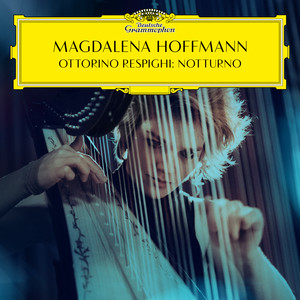 | 6 Pieces for Piano, P. 44: No. 3. Notturno. Lento (Version for Harp) | Ottorino Respighi, Magdalena Hoffmann | F♯ Major | 0 | 2B | 88 BPM | |
 | Kol Nidrei - Adagio For Cello, Opus 47 | Max Bruch, Alisa Weilerstein, Staatskapelle Berlin, Daniel Barenboim | D Major | 1 | 10B | 81 BPM | |
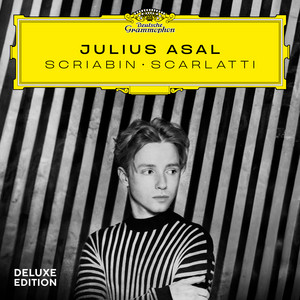 | Keyboard Sonata in F Minor, Kk. 466 - Upright Version | Domenico Scarlatti, Julius Asal | E♭ Major | 0 | 5B | 68 BPM | |
 | 6 Studies in English Folksong (Version for Cello & Piano): No. 3, Larghetto "Van Dieman's Land" | Ralph Vaughan Williams, Gerald Peregrine, Antony Ingham | D Minor | 0 | 7A | 81 BPM | |
 | Consolation No. 3 in D-Flat Major, S. 172/3 | Franz Liszt, Vladimir Horowitz | D♭ Major | 0 | 3B | 70 BPM | |
 | Concerto No. 2 for Piano and Orchestra, Op. 102: II. Andante - 2017 Remastered Version | Dmitri Shostakovich, Leonard Bernstein, New York Philharmonic | F Major | 1 | 7B | 172 BPM | |
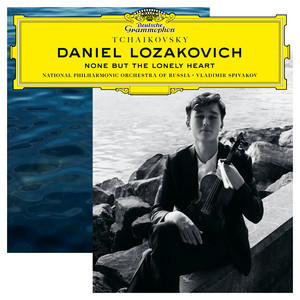 | Six Romances, Op. 6, TH 93: VI. None but the Lonely Heart (Arr. Elman) | Pyotr Ilyich Tchaikovsky, Daniel Lozakovich, Stanislav Soloviev | D♭ Major | 1 | 3B | 101 BPM | |
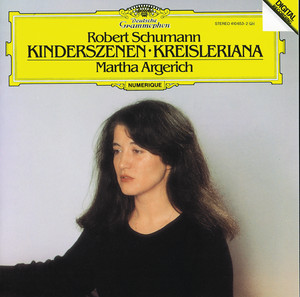 | Kinderszenen, Op. 15: I. Von fremden Ländern und Menschen | Robert Schumann, Martha Argerich | G Major | 0 | 9B | 128 BPM | |
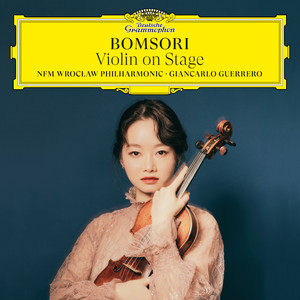 | Thaïs: Méditation | Jules Massenet, Bomsori, NFM Wrocław Philharmonic, Giancarlo Guerrero | D Major | 0 | 10B | 84 BPM | |
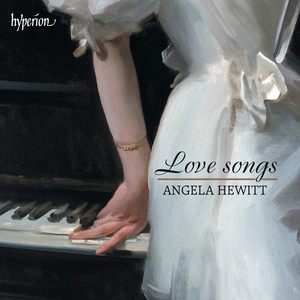 | Morgen, Op. 27 No. 4 (Arr. Reger for Piano) | Richard Strauss, Angela Hewitt | A Major | 2 | 11B | 143 BPM | |
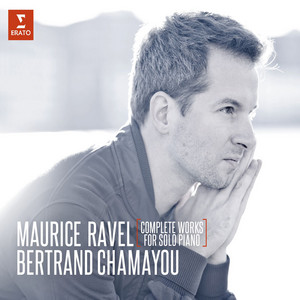 | Ravel: Pavane pour une infante défunte, M. 19 | Maurice Ravel, Bertrand Chamayou | E Minor | 0 | 9A | 126 BPM |
- ISRC
- GBAKR8410904
- Label
- L-M Records/RCA Records