- BPM
- 143
- Key
- D♭ Major
- Camelot
- 3B
Violin Concerto in D Major, Op. 61: 3. Rondo (arr. Jenkins) by Ludwig van Beethoven, Adiemus, Karl Jenkins, The Adiemus Singers, London Philharmonic Orchestra, Mary Carewe Song Details
On 2003, the song "Violin Concerto in D Major, Op. 61: 3. Rondo (arr. Jenkins)" was released by Ludwig van Beethoven, Adiemus, Karl Jenkins, The Adiemus Singers, London Philharmonic Orchestra, Mary Carewe. With this song being around four minutes long, at 4:08, the duration of this song is pretty average compared to other songs. This track is safe for children and doesn't appear to contain any foul language, since the "Explicit" tag was not present in this track. The song is number 1 out of 16 in Adiemus V - Vocalise by Daniel Hope, Zürcher Kammerorchester, Charl du Plessis Trio, Astor Piazzolla, Sarah Christ, Adiemus, Karl Jenkins. Going off of the ISRC code of this track, we detected that the origin of this track is from United Kingdom. Based on our statistics, Violin Concerto in D Major, Op. 61: 3. Rondo (arr. Jenkins)'s popularity is not that popular right now. The overall tone is very danceable, especially with its high energy, which produces more of a euphoric, cheerful, or happy vibe.
BPM and Tempo
The tempo marking of Violin Concerto in D Major, Op. 61: 3. Rondo (arr. Jenkins) by Ludwig van Beethoven, Adiemus, Karl Jenkins, The Adiemus Singers, London Philharmonic Orchestra, Mary Carewe is Allegro (fast, quick, and bright), since this song has a tempo of 143 BPM. With that information, we can conclude that the song has a fast tempo. This song can go great with jogging or cycling. The time signature for this track is 4/4.
Music Key
This song is in the music key of D♭ Major. This also means that this song has a camelot key of 3B. So, the perfect camelot match for 3B would be either 3B or 4A. While, 4B can give you a low energy boost. For moderate energy boost, you would use 12B and a high energy boost can either be 5B or 10B. Though, if you want a low energy drop, you should looking for songs with either a camelot key of 3A or 2B will give you a low energy drop, 6B would be a moderate one, and 1B or 8B would be a high energy drop. Lastly, 12A allows you to change the mood.
Want to find the BPM and music key for other songs? Check out our BPM and Key Finder page!
- Popularity
- 13%
- Loudness
- -10.655 dB
- Acousticness
- 46%
- Danceability
- 64%
- Energy
- 49%
- Instrumentalness
- 81%
- Liveness
- 35%
- Loudness
- 82%
- Speechiness
- 4%
- Valence
- 97%
Recommendations
| Track | Artist | Key | Energy | Camelot | BPM | ||
|---|---|---|---|---|---|---|---|
 | Pièces Lyriques, Op. 47 No. 3: Mélodie | Edvard Grieg, Shani Diluka | F Major | 0 | 7B | 105 BPM | |
 | Wolfgang Amadeus Mozart: Sonata No. 11 in La maggiore, K. V. 331 : Alla turca, Allegretto | Aldo Ciccolini | A Major | 1 | 11B | 133 BPM | |
 | Suite bergamasque, L. 75: III. Clair de lune | Claude Debussy, Menahem Pressler | D♭ Major | 0 | 3B | 109 BPM | |
 | Missa Solemnis in D Major, Op. 123: I. Kyrie | Ludwig van Beethoven, Nikolaus Harnoncourt, Concentus Musicus Wien | D Major | 1 | 10B | 77 BPM | |
 | Suite Bergamasque, L. 75: Passepied | Claude Debussy, Martin Jones | F♯ Minor | 0 | 11A | 90 BPM | |
 | Haydn: Symphony No. 94 in G Major, Hob. I:94 "Surprise": IV. Finale. Allegro di molto | Joseph Haydn, André Previn, Pittsburgh Symphony Orchestra | G Major | 2 | 9B | 140 BPM | |
 | Má vlast, JB 1:112: II. Vltava "The Moldau" | Bedřich Smetana, Wiener Philharmoniker, Herbert von Karajan | E Minor | 1 | 9A | 78 BPM | |
 | Recueil de chants, Op. 65: No. 6, Barcarolle | Charles-Valentin Alkan, Bruce Liu | G Minor | 0 | 6A | 70 BPM | |
 | Lieder ohne Worte, Op. 19: No. 6 in G Minor (Andante sostenuto) "Venetian Gondola Song", MWV U78 | Felix Mendelssohn, Jan Lisiecki | G Minor | 0 | 6A | 168 BPM | |
 | Notturno for Strings and Harp | Arnold Schoenberg, Daniel Hope, Zürcher Kammerorchester, Jane Berthe | A♭ Major | 1 | 4B | 75 BPM | |
 | Für Elise | The Regency House Orchestra | F♯ Minor | 1 | 11A | 110 BPM | |
 | Adagio in E Major, K. 261 | Wolfgang Amadeus Mozart, Pinchas Zukerman, Saint Paul Chamber Orchestra | E Major | 1 | 12B | 100 BPM | |
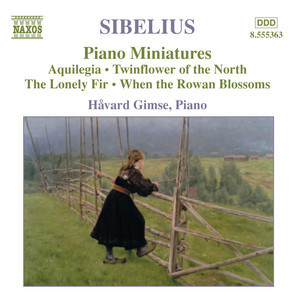 | 13 Pieces, Op. 76: No. 2 Etude | Jean Sibelius, Håvard Gimse | A Minor | 2 | 8A | 72 BPM | |
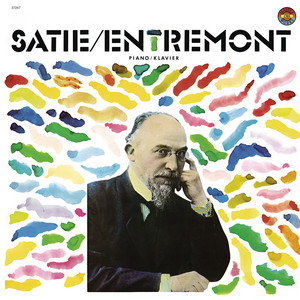 | Gymnopédie No. 3 | Erik Satie, Philippe Entremont | A Minor | 0 | 8A | 131 BPM | |
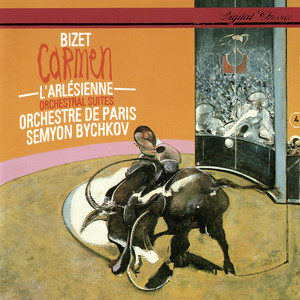 | Carmen Suite No. 1: 5. Les toréadors | Georges Bizet, Orchestre de Paris, Semyon Bychkov | F Major | 4 | 7B | 127 BPM | |
 | Nocturne in C-sharp minor, B. 49 | Frédéric Chopin, Brigitte Engerer | D♭ Minor | 0 | 12A | 72 BPM | |
 | Peer Gynt Suite No. 1, Op. 46: II. The Death of Åse - Recorded 1982 | Edvard Grieg, Berliner Philharmoniker, Herbert von Karajan | G Major | 0 | 9B | 45 BPM | |
 | Keyboard Sonata No. 59 in E-Flat Major, Hob.XVI:49: II. Adagio e cantabile | Joseph Haydn, Jenő Jandó | B♭ Major | 0 | 6B | 106 BPM | |
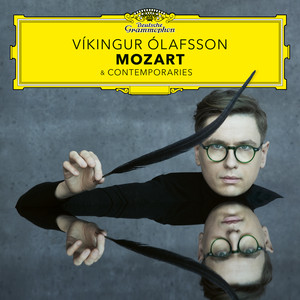 | Sonata No. 42 in D Minor (Arr. Ólafsson) | Domenico Cimarosa, Víkingur Ólafsson | D Minor | 0 | 7A | 61 BPM | |
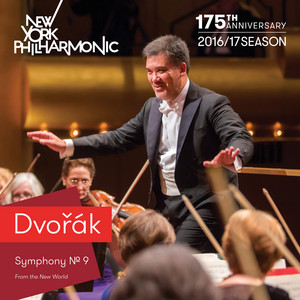 | Symphony No. 9 in E Minor, Op. 95 "From the New World": I. Adagio — Allegro molto | Antonín Dvořák, New York Philharmonic, Alan Gilbert | E Minor | 1 | 9A | 125 BPM | |
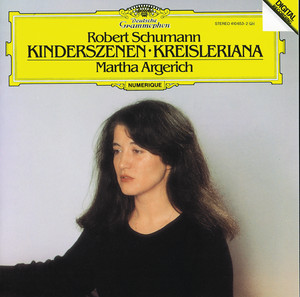 | Kinderszenen, Op. 15: I. Von fremden Ländern und Menschen | Robert Schumann, Martha Argerich | G Major | 0 | 9B | 128 BPM | |
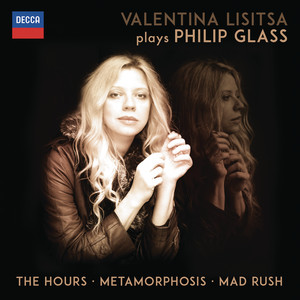 | The Truman Show: Truman Sleeps - Short Version | Philip Glass, Valentina Lisitsa | A♭ Major | 0 | 4B | 95 BPM | |
 | Piano Concerto No. 20 in D Minor, K. 466: III. Rondo. Allegro assai (Cadenza Beethoven) | Wolfgang Amadeus Mozart, Ludwig van Beethoven, Hélène Grimaud, Camerata Salzburg | D Minor | 3 | 7A | 139 BPM | |
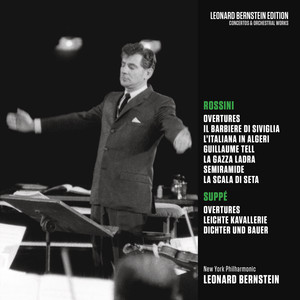 | The Barber of Seville: Overture | Gioachino Rossini, Leonard Bernstein, New York Philharmonic | E Major | 2 | 12B | 175 BPM | |
 | The Blue Danube | Johann Strauss II, Eugene Ormandy | D Major | 1 | 10B | 176 BPM |
- ISRC
- GBAYE0302162
- Label
- L-M Records/RCA Records