- BPM
- 67
- Key
- D Major
- Camelot
- 10B
The Nutcracker Suite, Op. 71a, TH 35 (Arr. for Organ by Ian Tracey): IIb. Danse de la fée-dragée by Pyotr Ilyich Tchaikovsky, Ian Tracey Song Details
"The Nutcracker Suite, Op. 71a, TH 35 (Arr. for Organ by Ian Tracey): IIb. Danse de la fée-dragée" by Pyotr Ilyich Tchaikovsky, Ian Tracey had its release date on November 11, 2007. With This song being less than two minutes long, at 1:50, we are fairly confident that this song is not explicit and is safe for all ages. Based on the duration of this song, this song duration is much smaller than the average song duration. There are a total of 19 in the song's album "The Grand Organ of Liverpool Cathedral". In this album, this song's track order is #11. Furthermore, we believe that the track originated from United Kingdom. The Nutcracker Suite, Op. 71a, TH 35 (Arr. for Organ by Ian Tracey): IIb. Danse de la fée-dragée is not that popular right now. In our opinion, the overall tone is not very danceable and projects negative sounds, such as being sad, depressed, or angry.
BPM and Tempo
With The Nutcracker Suite, Op. 71a, TH 35 (Arr. for Organ by Ian Tracey): IIb. Danse de la fée-dragée by Pyotr Ilyich Tchaikovsky, Ian Tracey having a BPM of 67 with a half-time of 34 BPM and a double-time of 134 BPM, we would consider this track to have a Adagio (slowly with great expression) tempo marking. Because of this, we believe that the song has an overall slow tempo. The time signature for this track is 3/4.
Music Key
This song has a musical key of D Major. Or for those who are familiar with the camelot wheel, this song has a camelot key of 10B. So, the perfect camelot match for 10B would be either 10B or 11A. While, 11B can give you a low energy boost. For moderate energy boost, you would use 7B and a high energy boost can either be 12B or 5B. Though, if you want a low energy drop, you should looking for songs with either a camelot key of 10A or 9B will give you a low energy drop, 1B would be a moderate one, and 8B or 3B would be a high energy drop. Lastly, 7A allows you to change the mood.
Want to find the BPM and music key for other songs? Check out our BPM and Key Finder page!
- Popularity
- 3%
- Loudness
- -19.041 dB
- Acousticness
- 50%
- Danceability
- 16%
- Energy
- 19%
- Instrumentalness
- 96%
- Liveness
- 26%
- Loudness
- 68%
- Speechiness
- 3%
- Valence
- 16%
Recommendations
| Track | Artist | Key | Energy | Camelot | BPM | ||
|---|---|---|---|---|---|---|---|
 | Swan Lake, Op. 20 (Mariinsky Version), Act I: No. 4, Pas de trois: Var. 1. Allegro semplice | Pyotr Ilyich Tchaikovsky, Mariinsky Orchestra, Valery Gergiev | E♭ Major | 2 | 5B | 97 BPM | |
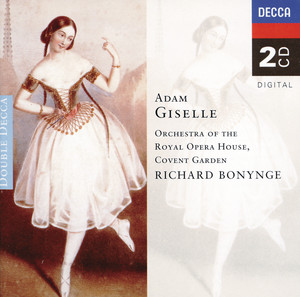 | Giselle / Act 2: Grand pas de deux: Adage | Adolphe Adam, Orchestra of the Royal Opera House, Covent Garden, Richard Bonynge | E♭ Major | 0 | 5B | 73 BPM | |
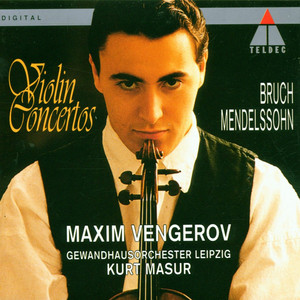 | Bruch : Violin Concerto No.1 in G minor Op.26 : III Finale - Allegro energico | Max Bruch, Maxim Vengerov, Kurt Masur, Gewandhausorchester Leipzig | G Major | 2 | 9B | 90 BPM | |
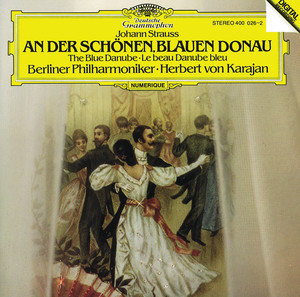 | An der schönen blauen Donau, Waltz, Op. 314 | Johann Strauss II, Berliner Philharmoniker, Herbert von Karajan | D Major | 0 | 10B | 95 BPM | |
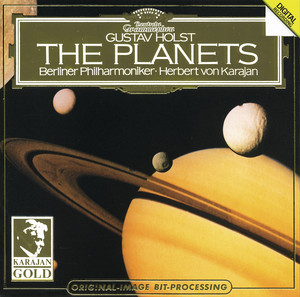 | The Planets, Op. 32: I. Mars, the Bringer of War | Gustav Holst, Berliner Philharmoniker, Herbert von Karajan | A♭ Major | 5 | 4B | 149 BPM | |
 | Violin Concerto No. 1 in A minor, BWV 1041: I. (Allegro moderato) | Johann Sebastian Bach, Daniel Lozakovich, Chamber Orchestra of the Bavarian Radio, Radoslaw Szulc, Olga Watts | A Minor | 4 | 8A | 91 BPM | |
 | La Bayadere, Act II: 36. "Variations Nikiya; Snake, and Finale" | Evergreen Symphony Orchestra, Kevin Galiè | C Major | 2 | 8B | 135 BPM | |
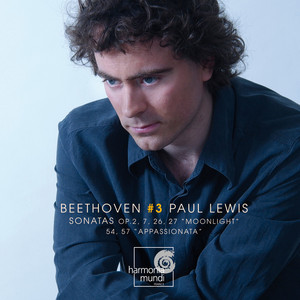 | Piano Sonata No. 14 in C-Sharp Minor, Op. 27 No. 2 "Moonlight": I. Adagio sostenuto | Ludwig van Beethoven, Paul Lewis | D♭ Minor | 0 | 12A | 172 BPM | |
 | Hungarian Dance No. 5 in G Minor, WoO 1, No. 5 | Johannes Brahms, Budapest Festival Orchestra, Iván Fischer | F♯ Minor | 1 | 11A | 107 BPM | |
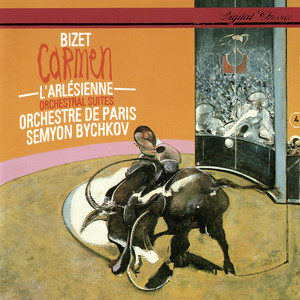 | Carmen Suite No.2: 5. Danse bohème | Georges Bizet, Orchestre de Paris, Semyon Bychkov | E Major | 1 | 12B | 142 BPM | |
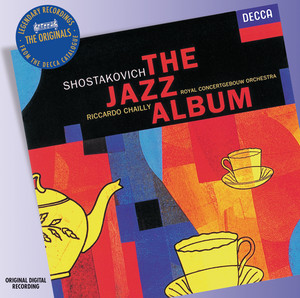 | Jazz Suite No. 2: IV. Waltz I | Dmitri Shostakovich, Royal Concertgebouw Orchestra, Riccardo Chailly | B♭ Major | 2 | 6B | 178 BPM | |
 | Pavane, Op. 50 | Gabriel Fauré, Sinfonieorchester Basel, Ivor Bolton | F♯ Minor | 0 | 11A | 66 BPM | |
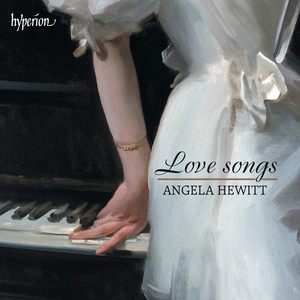 | Morgen, Op. 27 No. 4 (Arr. Reger for Piano) | Richard Strauss, Angela Hewitt | A Major | 2 | 11B | 143 BPM | |
 | Polovetsian Dances from Prince Igor: Moderato alla breve | Alexander Borodin, George Szell, The Cleveland Orchestra | A Major | 2 | 11B | 108 BPM | |
 | Orfeo ed Euridice, Wq. 30: Dance of the Blessed Spirits "Melody" (Arr. Sgambati for Piano) | Christoph Willibald Gluck, Yuja Wang | D Minor | 0 | 7A | 70 BPM | |
 | Symphony No. 25 in G Minor, K. 183: I. Allegro con brio | Wolfgang Amadeus Mozart, Academy of St. Martin in the Fields, Sir Neville Marriner | G Minor | 2 | 6A | 80 BPM | |
 | Elfentanz, Op. 39 - Dance of the Elves | David Popper, Metamorphose String Orchestra, Pavel Lyubomudrov, Mikael Samsonov | G Major | 4 | 9B | 96 BPM | |
 | Le grand cahier: X. L'incendie | Alexander Litvinovsky, Metamorphose String Orchestra, Pavel Lyubomudrov | B Major | 3 | 1B | 122 BPM | |
 | The Sorcerer's Apprentice | Philharmonia Orchestra | D♭ Major | 2 | 3B | 130 BPM | |
 | Masquerade Suite: Romance | Aram Khachaturian, St. Petersburg State Symphony Orchestra, Andre Anichanov | B♭ Minor | 1 | 3A | 176 BPM | |
 | The Four Seasons - Violin Concerto in F Minor, Op. 8 No. 4, RV 297 "Winter": I. Allegro non molto | Antonio Vivaldi, Joshua Bell, Academy of St. Martin in the Fields | F Minor | 2 | 4A | 158 BPM | |
 | Le tombeau de Couperin: 3. Menuet (version for orchestra) | Maurice Ravel, フランス国立リヨン管弦楽団, レナード・スラットキン | A Major | 1 | 11B | 107 BPM | |
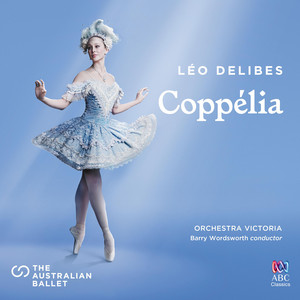 | Coppélia, Tableau 1: No. 1 Valse | Léo Delibes, Orchestra Victoria, Barry Wordsworth | E♭ Major | 2 | 5B | 142 BPM | |
 | Suite No. 3, P. 172: I. Italiana: Andantino | Ottorino Respighi, RTÉ National Symphony Orchestra | B♭ Major | 1 | 6B | 94 BPM | |
 | Serenade in C Major, Op. 48: I. Pezzo in forma di Sonatina | Pyotr Ilyich Tchaikovsky, Vienna Chamber Orchestra, Philippe Entremont | C Major | 3 | 8B | 112 BPM |
- ISRC
- GBXUX0700111
- Label
- L-M Records/RCA Records